




403
Sorry!!
Error! We're sorry, but the page you were looking for doesn't exist.
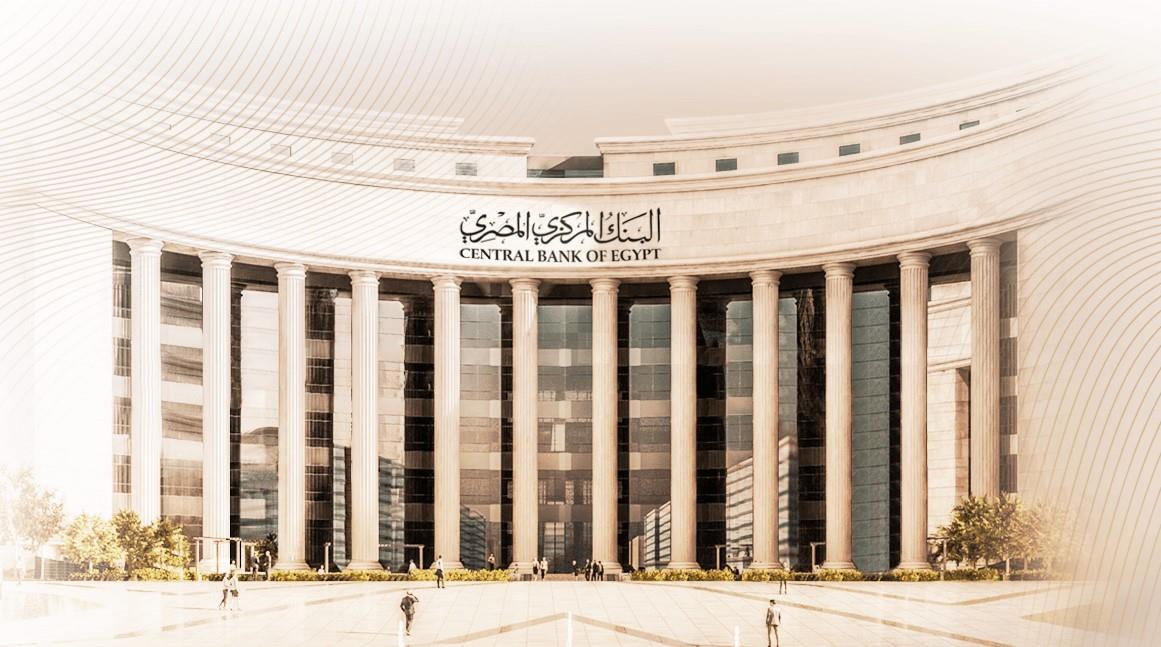
Inflation Dynamics Normalizing To Pre-March 2022 Patterns: CBE
(MENAFN- Daily News Egypt) The Central Bank of Egypt's Monetary Policy Committee (MPC) decided to keep the CBE's overnight deposit rate, overnight lending rate, and the rate of the main operation unchanged at 27.25%, 28.25%, and 27.75%, respectively. The Committee also kept the discount rate unchanged at 27.75%. The decision reflects recent developments and outlook at the global and domestic levels since the previous MPC meeting.
The Monetary Policy Committee, in its statement accompanying this decision, said:“Globally, the economic growth outlook remains positive albeit below its historical average. Monetary policy tightening cycles in advanced and emerging market economies have contributed to a decline in inflation worldwide, with select central banks cutting interest rates after inflation approached its targeted levels.”
However, key central banks are expected to uphold a tight monetary policy stance for an extended period due to uncertainty surrounding the inflation path and the upside risks to inflation. Furthermore, prices of key international commodities, particularly energy, have recently declined, mainly due to the effect of tighter monetary policy on global demand. However, commodity prices remain vulnerable to supply shocks from ongoing geopolitical tensions.
Domestically, real GDP growth moderated to 2.2% in Q1 2024 from 2.3% in the previous quarter, mainly reflecting negative spillovers from geopolitical tensions and maritime trade disruptions to the services sector.
Furthermore, leading indicators for Q2 2024 suggest that economic activity remains subdued. Consequently, real GDP growth is expected to slow down in FY 2023/24 compared to the previous fiscal year, before recovering in FY 2024/25.
In addition, labour market data show that the unemployment rate has slightly declined to 6.7% in Q1 2024 from 6.9% in Q4 2023.
Inflationary pressures continued to recede, as annual headline and core inflation edged downward for the fourth month to reach 27.5% and 26.6% in June 2024, respectively. Inflation rates benefited from the combined effect of a gradual dissipation of previous shocks supporting a return to normal dynamics; the recent tightening cycle; and a favourable base effect from the strong inflationary episodes in 2023. Despite persistent non-food inflation, the current moderation in inflation has been driven by improvements in market dynamics, as reflected by the significant decline in annual food inflation to 31.9% in June 2024 from a peak of 73.6% in September 2023. Accordingly, the gradual unwinding of food inflation along with the improvement of inflation expectations suggest that inflation is on a sustained downward trajectory.
The recent dampening of inflation dynamics generally suggests a normalization to their usual monthly pattern before March 2022. While pressures could be expected from possible fiscal consolidation measures, inflation is forecasted to stabilize in 2024 around its current levels. A significant decline in inflation is anticipated in H1 2025 due to the cumulative impact of monetary policy tightening and favourable base effects. However, upside risks to the forecasted disinflation path remain, including an escalation of current geopolitical tensions, unfavourable climate conditions, both domestically and globally, and higher than anticipated fiscal measures.
In light of the above and building on previous MPC decisions, the Committee judges that the current monetary stance is appropriate to support the sustained moderation of inflation. The Committee will continue to assess its transmission to the economy in a data-driven manner. The MPC reiterates that the path of future policy rates will be guided by inflation expectations rather than prevailing rates. The Committee will not hesitate to utilize all tools at its disposal to ensure that the policy stance remains sufficiently restrictive to allow for a sustained decline in underlying inflation and to safeguard price stability over the medium term.

Legal Disclaimer:
MENAFN provides the
information “as is” without warranty of any kind. We do not accept
any responsibility or liability for the accuracy, content, images,
videos, licenses, completeness, legality, or reliability of the information
contained in this article. If you have any complaints or copyright
issues related to this article, kindly contact the provider above.
Most popular stories
Market Research

More Story








Comments
No comment