







403
Sorry!!
Error! We're sorry, but the page you were looking for doesn't exist.
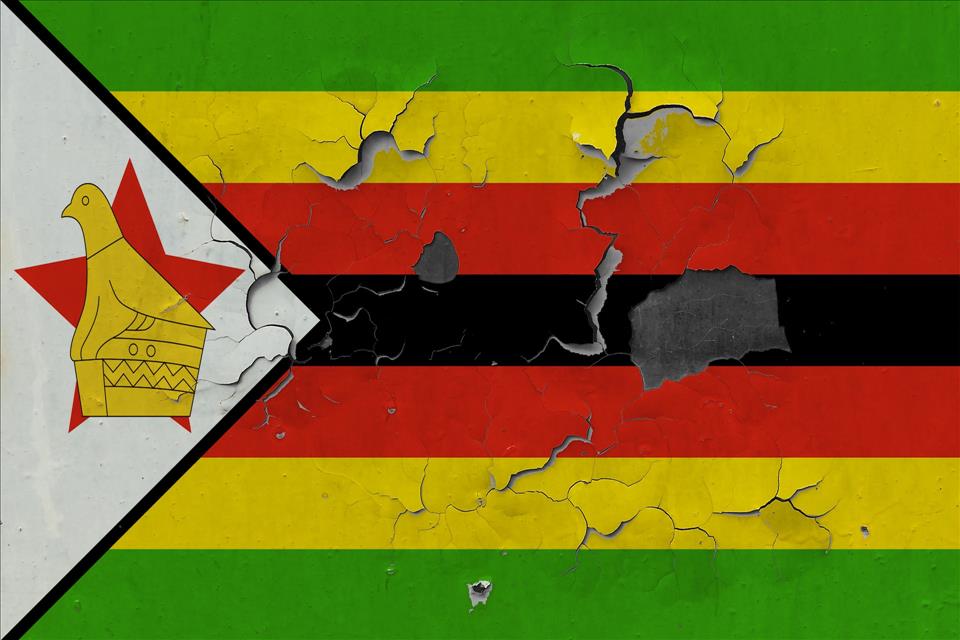
HIV-Positive Parents In Zimbabwe Struggle To Manage Their Children's Education Study Shows How
Author:Tatenda Zinyemba
(MENAFN- The Conversation) Over the past three decades researchers have explored various aspects of the impact of the HIV pandemic. One focus area has been children who have lost their parents to AIDS. Less attention has been given to children who are raised by parents living with HIV. This group has become much bigger as more people have access to antiretroviral therapy and are therefore expected to raise their children.

Our research in Zimbabwe looked at the effects the HIV status of parents had on their children's education.
In Zimbabwe, the current HIV prevalence rate among adults is about 13% . In 1997 it was at its peak at 29.3% . Nevertheless, Zimbabwe still has the sixth highest HIV rate in the world. Eswatini has the highest rate (19.58%) and South Africa ranks fourth (14.75%).
Our research focused on mothers in Harare, Zimbabwe's capital city, who had access to treatment. We were interested in the impact of HIV on their investment in their children's education. We conducted interviews at Mashambanzou Care Trust , a local non-profit organisation that provides care to about 5,000 HIV-positive low-income individuals in Harare. Thirteen HIV-positive mothers were interviewed to discuss the key reasons behind the disruption of their children's schooling .
We found that the HIV status of low-income parents in Zimbabwe severely affected their children's education, in four ways.
Firstly, HIV worsened the financial barriers parents faced when trying to get their children educated. Secondly, children missed school because they needed to take care of sick parents or siblings. Thirdly, sick parents were not involved with their children's academic achievement because they were physically, mentally and emotionally incapable of helping. Lastly, children of HIV-positive mothers did not always have birth certificates, a major barrier to school and exam registration in Zimbabwe.
Financial barriersThe research showed that HIV in Zimbabwe is not only a health issue but also a socioeconomic problem that can force people into poverty traps .
HIV-positive women expressed the view that the Zimbabwean economy, their partner's health and their own health affected how they supported their children's educational needs.
We found children with parents who could not afford to pay school fees or buy school uniforms could be sent home until the payments were made. Other low income families experienced this too but parents with HIV could not work and so had more difficulty paying school fees.
HIV-affected families could also face the burden of raising other children from deceased or ill family members. Some of the mothers had siblings and close family members who had died of AIDS. In one case, a single HIV-positive mother had three biological children and three orphans from relatives.
Missing schoolGirls were particularly affected because they were expected to care for siblings, help sick parents with daily activities such as eating and toileting, and make sure they had a place to live and food to eat.
Mothers spoke about the heavy burden their daughters had to carry .
Some children were forced to drop out of school to earn an income.
No time to helpMost HIV-positive mothers told us that they did not spend time with their children because they spent a lot of time on income-generating activities, attending to their own health, or their husband's health. These tough conditions led to even more illness and stress.
Birth certificatesSome HIV-positive parents were too sick to obtain birth certificates for their children . Without birth certificates, children risk being sent home and cannot benefit from programmes that target poor children. One mother told of trying to get birth certificates for her children in Mutare, almost 300 kilometres away from Harare.
Looking to the futureOur research highlights a vulnerable group of children who should also benefit from social assistance programmes that target HIV-affected orphans, given that their parents are too sick to care for them.
They should be included in the National Orphan Care Policy , which seeks to provide basic care and protection to orphans and vulnerable children, and the Basic Education Assistance Module , which pays school fees for this group of children.

Legal Disclaimer:
MENAFN provides the
information “as is” without warranty of any kind. We do not accept
any responsibility or liability for the accuracy, content, images,
videos, licenses, completeness, legality, or reliability of the information
contained in this article. If you have any complaints or copyright
issues related to this article, kindly contact the provider above.
Most popular stories
Market Research

More Story


Comments
No comment