

403
Sorry!!
Error! We're sorry, but the page you were looking for doesn't exist.
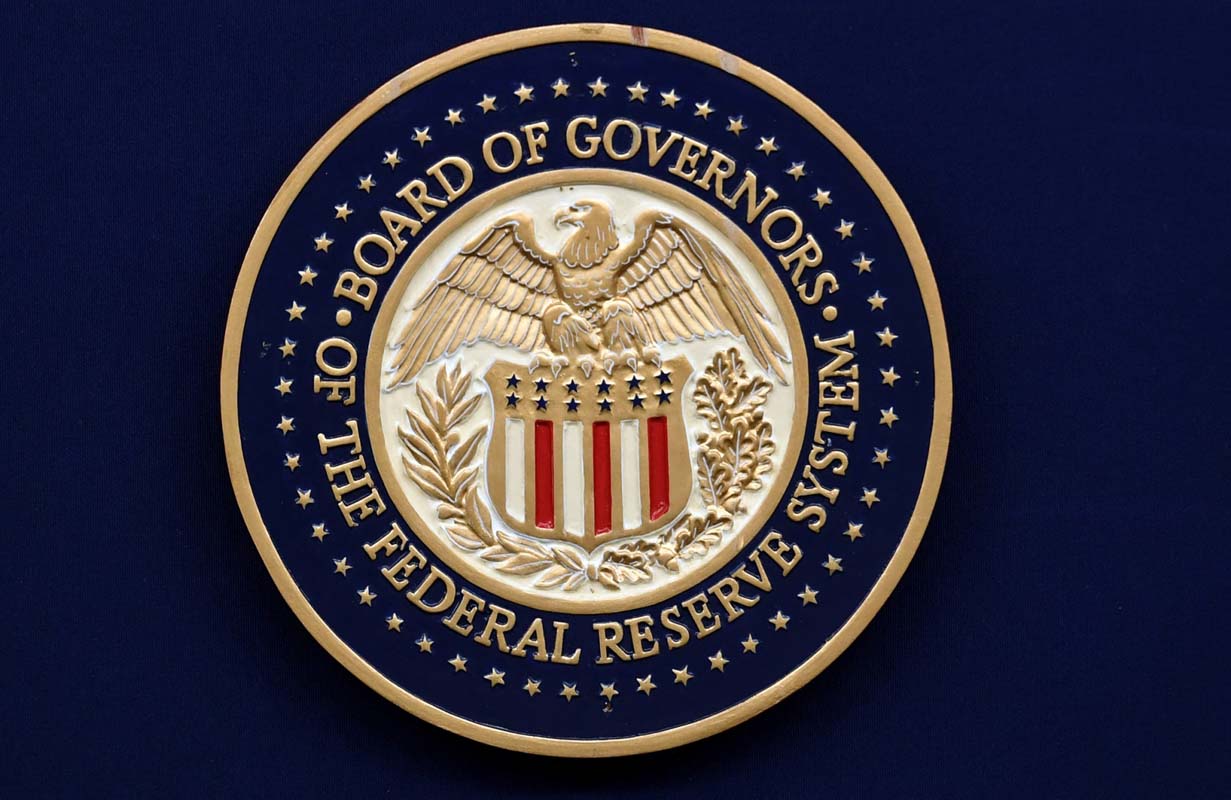
Dollar stabilizes as markets await Federal Reserve's monetary policy decision


(MENAFN) In the latter part of 2022, the cryptocurrency market endured a significant downturn, witnessing a nearly 66% decline in value over the course of a year. Major companies and coins faced downfall, revealing questionable practices, and even non-fungible tokens (NFTs), represented by pixelated images of monkeys, were sold for extravagant amounts. This resulted in widespread ridicule of cryptocurrencies, with industry officials encountering virtual celebrations and doubt from longstanding critics.
However, just twelve months later, there has been a remarkable shift in the landscape as cryptocurrency prices have undergone a substantial recovery. In the past year, the market value has almost doubled, marking an impressive turnaround. A notable milestone in this resurgence was the approval by the US Securities and Exchange Commission (SEC) for the listing of 11 Bitcoin spot trading funds. This regulatory endorsement offers investors a regulated avenue to profit from digital currencies, comparable to traditional stocks, and is provided by reputable asset managers.
The change in sentiment is further emphasized by influential figures such as Larry Fink, the president of BlackRock, the world's largest asset manager, and a significant player in Bitcoin exchange-traded funds (ETFs). Fink has shifted to becoming a proponent of Bitcoin, characterizing it as "an asset class that provides protection." This transformation prompts contemplation of the initial cynicism and skepticism directed towards cryptocurrencies. Industry experts and longstanding critics now find themselves grappling with the question of whether their assessments were erroneous.
The approval of Bitcoin ETFs, considered by some as a pivotal moment, raises inquiries about the credibility of cryptocurrencies in the financial landscape. Michael Sailor, the CEO of MicroStrategy, a software company turned crypto enthusiast, underscores the importance of the SEC's approval, suggesting it could be the most significant development on Wall Street in thirty years. Brad Garlinghouse, the CEO of cryptocurrency firm Ripple, echoes this viewpoint, highlighting that the SEC's decision enhances the legitimacy of cryptocurrencies as a recognized asset class.
As cryptocurrency recovers and garners institutional approval, the narrative surrounding its viability and legitimacy seems to be shifting from one of ridicule to mainstream acceptance within the financial sector.
However, just twelve months later, there has been a remarkable shift in the landscape as cryptocurrency prices have undergone a substantial recovery. In the past year, the market value has almost doubled, marking an impressive turnaround. A notable milestone in this resurgence was the approval by the US Securities and Exchange Commission (SEC) for the listing of 11 Bitcoin spot trading funds. This regulatory endorsement offers investors a regulated avenue to profit from digital currencies, comparable to traditional stocks, and is provided by reputable asset managers.
The change in sentiment is further emphasized by influential figures such as Larry Fink, the president of BlackRock, the world's largest asset manager, and a significant player in Bitcoin exchange-traded funds (ETFs). Fink has shifted to becoming a proponent of Bitcoin, characterizing it as "an asset class that provides protection." This transformation prompts contemplation of the initial cynicism and skepticism directed towards cryptocurrencies. Industry experts and longstanding critics now find themselves grappling with the question of whether their assessments were erroneous.
The approval of Bitcoin ETFs, considered by some as a pivotal moment, raises inquiries about the credibility of cryptocurrencies in the financial landscape. Michael Sailor, the CEO of MicroStrategy, a software company turned crypto enthusiast, underscores the importance of the SEC's approval, suggesting it could be the most significant development on Wall Street in thirty years. Brad Garlinghouse, the CEO of cryptocurrency firm Ripple, echoes this viewpoint, highlighting that the SEC's decision enhances the legitimacy of cryptocurrencies as a recognized asset class.
As cryptocurrency recovers and garners institutional approval, the narrative surrounding its viability and legitimacy seems to be shifting from one of ridicule to mainstream acceptance within the financial sector.

Legal Disclaimer:
MENAFN provides the
information “as is” without warranty of any kind. We do not accept any
responsibility or liability for the accuracy, content, images, videos,
licenses, completeness, legality, or reliability of the information
contained in this article. If you have any complaints or copyright issues
related to this article, kindly contact the provider above.
Comments
No comment