




403
Sorry!!
Error! We're sorry, but the page you were looking for doesn't exist.
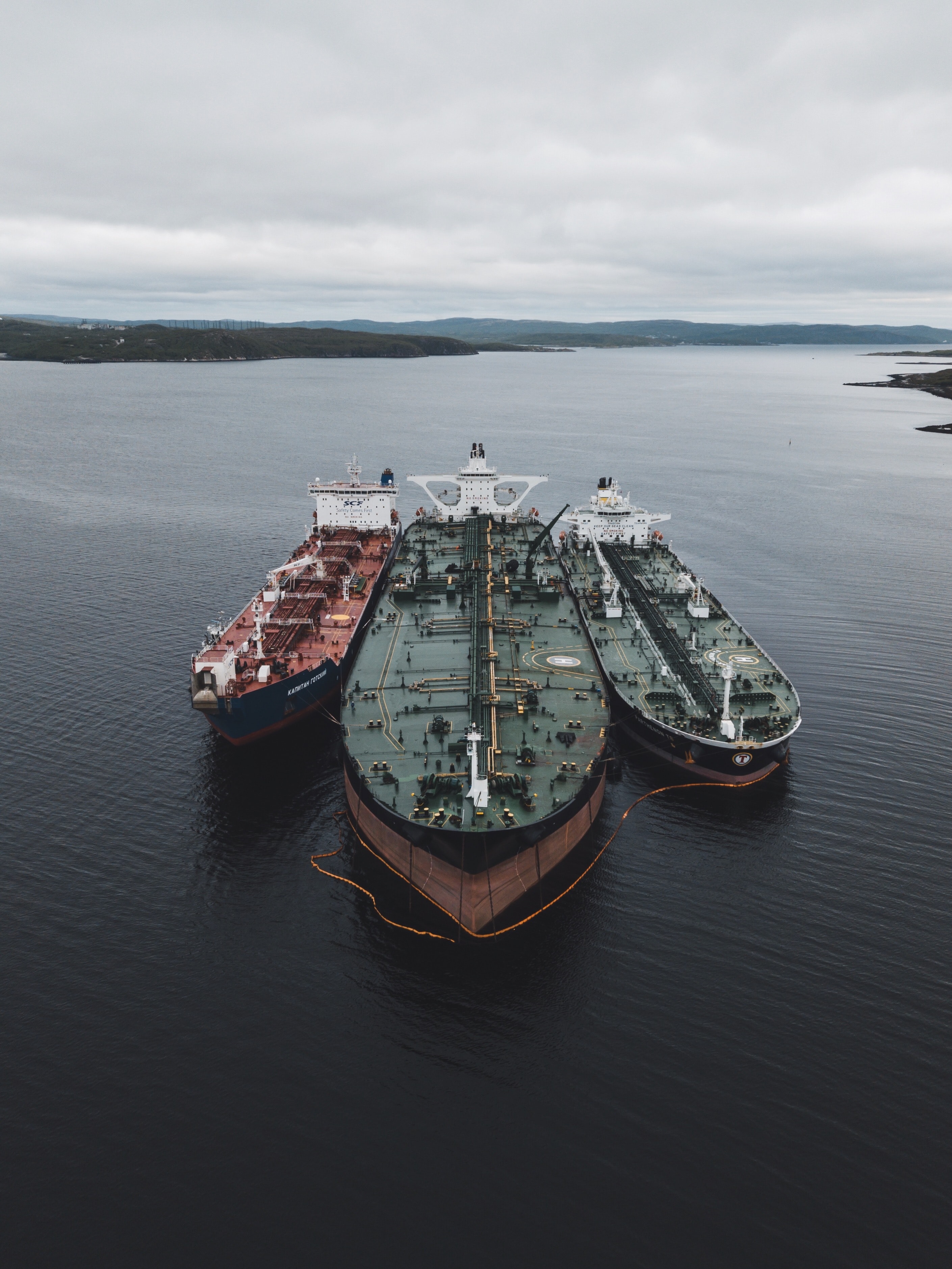
4 tankers dedicated to transporting Qatari LNG shipments recommence voyages
(MENAFN) In a significant development on Tuesday, ship tracking data from the London Stock Exchange Group (LSEG) revealed that four tankers dedicated to transporting Qatari liquefied natural gas (LNG) shipments have recommenced their voyages after a brief hiatus. This interruption was prompted by the naval assaults conducted by the Yemeni Houthi group, aligned with Iran, in the Red Sea.
The attacks by the Houthi rebels not only impacted the security situation in the region but also disrupted the flow of trade along the main east-west maritime route. This crucial sea route is responsible for facilitating approximately 12 percent of the global shipping traffic.
The preceding day, on Monday, the Houthi group declared its intention to broaden its scope of targets in the Red Sea area, explicitly including American ships. This announcement followed recent military actions carried out by the United States and the United Kingdom against Houthi positions in Yemen.
According to the latest data, the liquefied natural gas tanker named "Al-Rakyat" has resumed its journey through the Red Sea, en route to Qatar. This vessel had been stationary since January 13 due to the security concerns posed by the Houthi attacks in the region. Additionally, the data indicated that the ships Al-Ghariya, Al-Huwaila, and Al-Numan, all laden with Qatari liquefied natural gas, have resumed their movements. However, they have altered their course to head south, even though their destination still indicates the Suez Canal.
It is worth noting that Qatari LNG shipments passing through the Suez Canal traditionally reach European destinations. Intriguingly, these three tankers had remained anchored off the coast of Oman since January 14. As geopolitical tensions persist in the region, the resumption of these shipments bears implications for both global trade dynamics and the security of maritime routes in the Red Sea.
The attacks by the Houthi rebels not only impacted the security situation in the region but also disrupted the flow of trade along the main east-west maritime route. This crucial sea route is responsible for facilitating approximately 12 percent of the global shipping traffic.
The preceding day, on Monday, the Houthi group declared its intention to broaden its scope of targets in the Red Sea area, explicitly including American ships. This announcement followed recent military actions carried out by the United States and the United Kingdom against Houthi positions in Yemen.
According to the latest data, the liquefied natural gas tanker named "Al-Rakyat" has resumed its journey through the Red Sea, en route to Qatar. This vessel had been stationary since January 13 due to the security concerns posed by the Houthi attacks in the region. Additionally, the data indicated that the ships Al-Ghariya, Al-Huwaila, and Al-Numan, all laden with Qatari liquefied natural gas, have resumed their movements. However, they have altered their course to head south, even though their destination still indicates the Suez Canal.
It is worth noting that Qatari LNG shipments passing through the Suez Canal traditionally reach European destinations. Intriguingly, these three tankers had remained anchored off the coast of Oman since January 14. As geopolitical tensions persist in the region, the resumption of these shipments bears implications for both global trade dynamics and the security of maritime routes in the Red Sea.

Legal Disclaimer:
MENAFN provides the
information “as is” without warranty of any kind. We do not accept
any responsibility or liability for the accuracy, content, images,
videos, licenses, completeness, legality, or reliability of the information
contained in this article. If you have any complaints or copyright
issues related to this article, kindly contact the provider above.
Most popular stories
Market Research

More Story








Comments
No comment