(MENAFN- The Conversation) Join us as we speak with researcher and migration expert Yvonne Su about climate-induced migration, why the climate crisis should factor into refugee claims and the burden of care that is owed to displaced people.
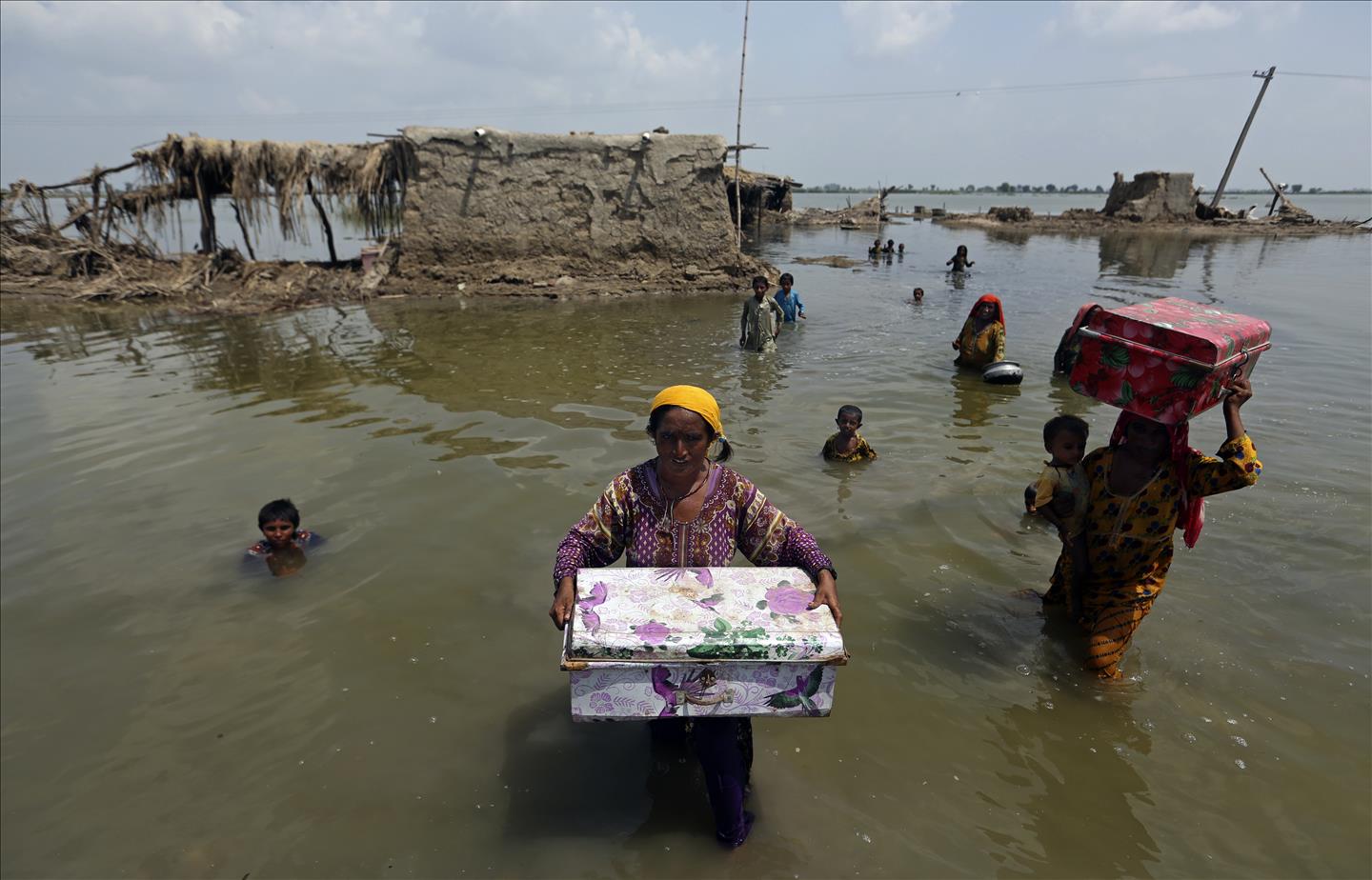
Recently, there have been some troubling images coming out of Pakistan, where . The floods have also submerged farmlands and spread waterborne illnesses. In total, it is estimated that the floods have so far impacted over 33 million people.
So the picture is bleak.
And a lot of this suffering can be linked to human-induced climate change.
In other words, the global climate crisis has been driven by the burning of fossil fuels and deforestation by western states. Meanwhile, some populations continue to bear the brunt of the impact. Given this,
This month, . Previous UN climate change summits have been
Will this year be different? Will leaders be paying attention to real solutions for people in Pakistan that are being displaced right now?
Join us as we speak with Yvonne Su, Assistant Professor in the Department of Equity Studies at York University. Yvonne specializes in migration, including climate change-induced displacement . She has a PhD in Political Science and International Development from the University of Guelph and a Masters in Refugee and Forced Migration Studies from the University of Oxford.
Residents navigate the Solimoes River with difficulty due to the current severe drought, in Tefe, Amazonas state, Brazil, Oct. 20, 2022. Months after enduring floods that destroyed crops, thousands of families in the Brazilian Amazon are now dealing with severe drought. (AP Photo/Edmar Barros) Listen and Follow
You can listen to or follow Don't Call Me Resilient on , , or . , including any ideas for future episodes. Join The Conversation on , , and and use #DontCallMeResilient.
Also in The Conversation Read more:
Read more:
Read more:
Read more:
Read more:
Read more:
Sources
by
Candis Callison
Transcript
For an unedited transcript of this episode, go .
Don't Call Me Resilient was produced in partnership with the Journalism Innovation Lab at UBC and with a grant from the Social Sciences and Humanities Research Council of Canada.













Comments
No comment