





403
Sorry!!
Error! We're sorry, but the page you were looking for doesn't exist.
Egyptian vegetables banned from UAE
(MENAFN- Daily News Egypt) The United Arab Emirates' (UAE) ministry of climate change and environment has decided to stop importing produce from four Arab countries, including Egypt, Lebanon, Jordan, and Oman, for the pesticide residue levels detected in the vegetables and deemed to be higher than the safe standard approved by the state. The decision was based on the results of tests carried out by the Emirati ministry on the imported produce and is set to come into effect starting on 15 May.
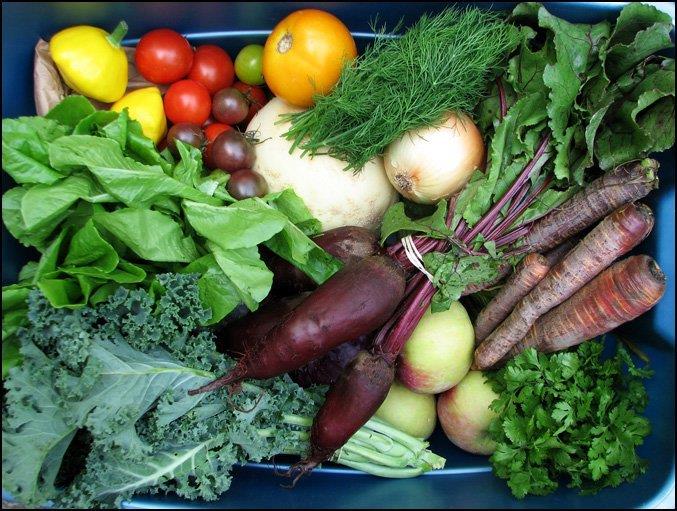
The produce to be banned includes peppers of all kinds from Egypt; cabbage, lettuce, zucchini, eggplant, and beans from Jordan; apples of all kinds from Lebanon; and carrots, melons, and watercress from Oman.
The UAE has addressed the concerned authorities in Egypt and the other involved countries, requesting a pesticide residue analysis certificate for the rest of the fruits and vegetables that the UAE imports from them in order to testify that they are pesticide-free for entry into the country. The ban decision is expected to continue until the required certificates are provided by the four countries.
Last month, Sudan decided to stop importing agricultural goods and canned fish from Egypt. In September 2016, Sudan also imposed a ban on importing fruits and vegetables from Egypt, causing losses of nearly $30m, according to the data by the Egypt Agriculture Export Council.
Egyptian Minister of Trade and Industry Tarek Kabil said that his ministry is seeking to impose harsher controls on imported and exported products within its plan to improve the quality of both its imported and exported goods and ensure they meet the global health standards.
Other countries have halted or completely stopped importing fruits and vegetables from Egypt over the past period, including Russia, Japan, the USA, Saudi Arabia, and Kuwait.

Legal Disclaimer:
MENAFN provides the
information “as is” without warranty of any kind. We do not accept
any responsibility or liability for the accuracy, content, images,
videos, licenses, completeness, legality, or reliability of the information
contained in this article. If you have any complaints or copyright
issues related to this article, kindly contact the provider above.
Most popular stories
Market Research

More Story








Comments
No comment