




403
Sorry!!
Error! We're sorry, but the page you were looking for doesn't exist.
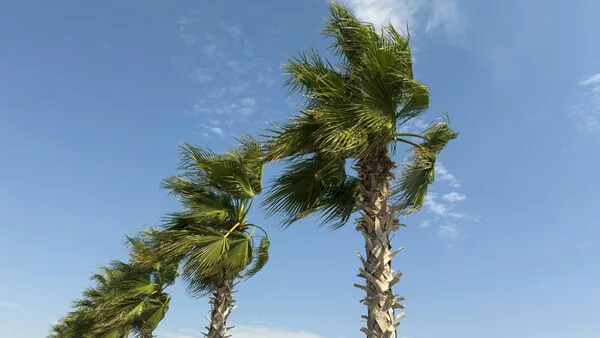
Japanese Proverb Of The Day: 'The Winds Of Tomorrow Will Blow Tomorrow' Meaning, Why It Still Matters & More
(MENAFN- Live Mint) When the weight of the world feels overwhelming, our minds naturally race forward, trying to solve problems that haven't even happened yet.
To counter this exhausting human habit, Japanese culture offers a beautiful, breezy antidote:“ The winds of tomorrow will blow tomorrow.” It is a timeless lesson in mindful surrender, resilience, and the art of letting go.
Also Read | African proverb of the day: 'Rain beats leopard's skin, but it does not...' What it meansAt its core, this proverb is a gentle command to live in the present moment. It reminds us that tomorrow is an entirely separate entity with its own energy, its own circumstances, and yes, its own "winds."
The proverb carries two beautifully intertwined meanings:
- Antidote to anxiety: It tells us that worrying about tomorrow's challenges today is entirely futile. You cannot fight tomorrow's storms with today's energy. Message of hope: If today was a difficult, stagnant, or painful day, it serves as a comforting reminder that tomorrow brings a completely fresh start. The wind will shift, the air will clear, and a new day will bring new, unexpected opportunities.
This saying is deeply rooted in Japan's philosophical landscape, drawing heavily on Zen Buddhism and the traditional aesthetic of Mono no Aware - the beautiful, bittersweet awareness of the impermanence of all things.
Historically, Japan is a nation shaped by its relationship with nature-a country of distinct seasons, but also of typhoons, earthquakes, and shifting tides. The ancient Japanese understood intimately that nature cannot be controlled or predicted; you cannot force the wind to blow, nor can you stop it.
The most honourable and practical way to live was to develop an attitude of shouganai (it cannot be helped) regarding the future, focusing all of one's energy instead on mastering the immediate present.
Why it still mattersIn our modern, hyper-scheduled world, we are plagued by chronic anticipatory anxiety. We overthink our five-year career plans, panic over economic forecasts, and lose sleep over hypothetical worst-case scenarios.
This proverb is the ultimate mental health reset for the 21st century. It doesn't advocate for lazy irresponsibility; rather, it champions emotional efficiency. It reminds us that worrying doesn't empty tomorrow of its sorrow; it just empties today of its strength.
By accepting that tomorrow's winds belong to tomorrow, we free up our mental bandwidth to handle the tasks right in front of us with clarity and peace.
Also Read | Spanish Proverb of the Day: 'Shrimp that falls asleep gets swept away...' Another perspective: Counter-ProverbWhile letting go of tomorrow brings peace, total passivity can leave you completely unready when a real storm finally hits. To challenge this ultra-relaxed mindset, Japanese culture offers an incredibly sharp, practical counter-proverb that champions radical preparation:
“Always be prepared.” This proverb is often paired with:“If you are prepared, there is no need for worry.”
While the“tomorrow wind” focuses on surrender, warning that overthinking the future ruins the present, the“always prepared” approach focuses on foresight, warning that failing to plan leaves you helpless when the wind changes.
Where the original proverb tells you to relax and trust the coming day, this alternative proverb shifts the spotlight entirely onto agency and discipline. It argues that the best way not to worry about tomorrow's wind is to build a shelter today.
It reminds us that while we cannot control the weather, we can control our readiness. If you spend today completely ignoring the future, tomorrow's wind won't just blow-it might blow your house down.
True wisdom lies in the delicate balance: do the hard, practical work of preparing your mind and resources today, so that when tomorrow's winds inevitably blow, you can sit back, breathe, and let them pass.

Legal Disclaimer:
MENAFN provides the
information “as is” without warranty of any kind. We do not accept
any responsibility or liability for the accuracy, content, images,
videos, licenses, completeness, legality, or reliability of the information
contained in this article. If you have any complaints or copyright
issues related to this article, kindly contact the provider above.
Most popular stories
Market Research

More Story






Comments
No comment