




403
Sorry!!
Error! We're sorry, but the page you were looking for doesn't exist.
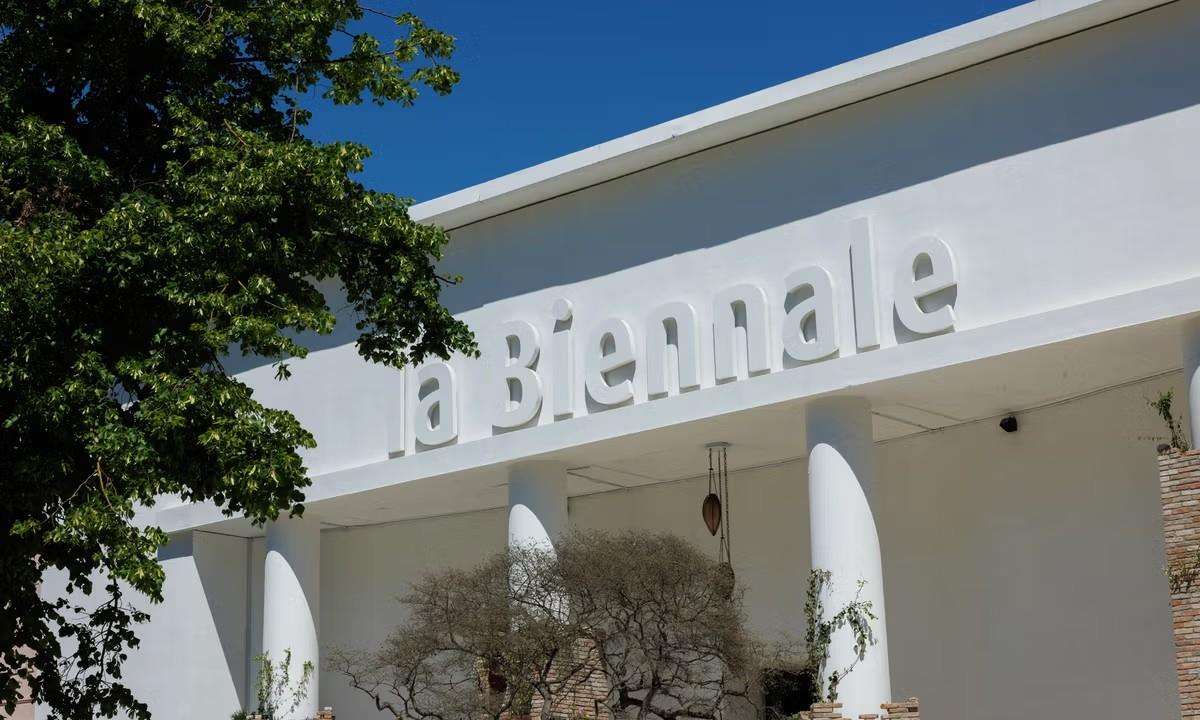
Venice Verdicts: Art World Figures Give Their Thoughts On The 2026 Biennale The Art Newspaper International Art News And Events
(MENAFN- USA Art News)
Koyo Kouoh's Venice Biennale leaves a different kind of afterimage
The 2026 Venice Biennale is being measured not only by what hung in the galleries, but by the atmosphere it created around them. In a set of reflections from art-world figures, Koyo Kouoh's main exhibition, In Minor Keys, emerges as a project shaped by urgency, care, and a refusal to separate aesthetics from politics.
Naomi Beckwith, deputy director and chief curator of the Solomon R. Guggenheim Museum and Foundation, described In Minor Keys as a survey of post-war African art with a much-needed, multi-generational focus on women artists, from Werewere Liking to Ranti Bam. She framed the exhibition as a polyphony of propositions, one that offered an alternate route through art rather than a polished, clinical distillation. Beckwith also pointed to Kouoh's musical metaphor as an invitation to look and listen differently, and to imagine art as something that mediates between the past and present, and the living and the dead.
That sense of expanded attention extended beyond the main exhibition. Beatrix Ruf, director of the Hartwig Foundation, said the Biennale felt“far more major than minor,” noting how national pavilions responded to Kouoh's theme with both political force and poetic restraint. She singled out the Austrian pavilion by Florentina Holzinger, Belgium's presentation by Miet Warlop, the Dutch pavilion's decision to shut down its own architecture, and Gabrielle Goliath's work, which appeared in a nearby church after being excluded from her country's pavilion. Ruf also highlighted the Holy See pavilion's contemplative soundscape in a cloister garden, the temporary Qatar tent, and Sung Tieu's intervention on the façade of the German Pavilion, where tiles referencing a housing block for Vietnamese residents after German reunification turned the building into a quiet monument to displacement and neglect.
The collateral exhibitions added another layer to the week's density. Among the projects cited were Lydia Ourahmane's installation, Fondazione Bulgari's immersive Canicula film installations, Paulo Nazareth's exhibition at Punta della Dogana, and Helter Skelter, the dark, layered presentation by Arthur Jafa and Richard Prince at Fondazione Prada.
Diana Campbell Betancourt, artistic director of the Samdani Art Foundation, distilled Kouoh's approach even more directly: exhibitions, in her view, were never simply about showing objects, but about empowering people and building relationships. That emphasis on artistic exchange, mutual support, and shared presence may be the Biennale's most lasting legacy.

Legal Disclaimer:
MENAFN provides the
information “as is” without warranty of any kind. We do not accept
any responsibility or liability for the accuracy, content, images,
videos, licenses, completeness, legality, or reliability of the information
contained in this article. If you have any complaints or copyright
issues related to this article, kindly contact the provider above.
Most popular stories
Market Research

More Story








Comments
No comment