




403
Sorry!!
Error! We're sorry, but the page you were looking for doesn't exist.
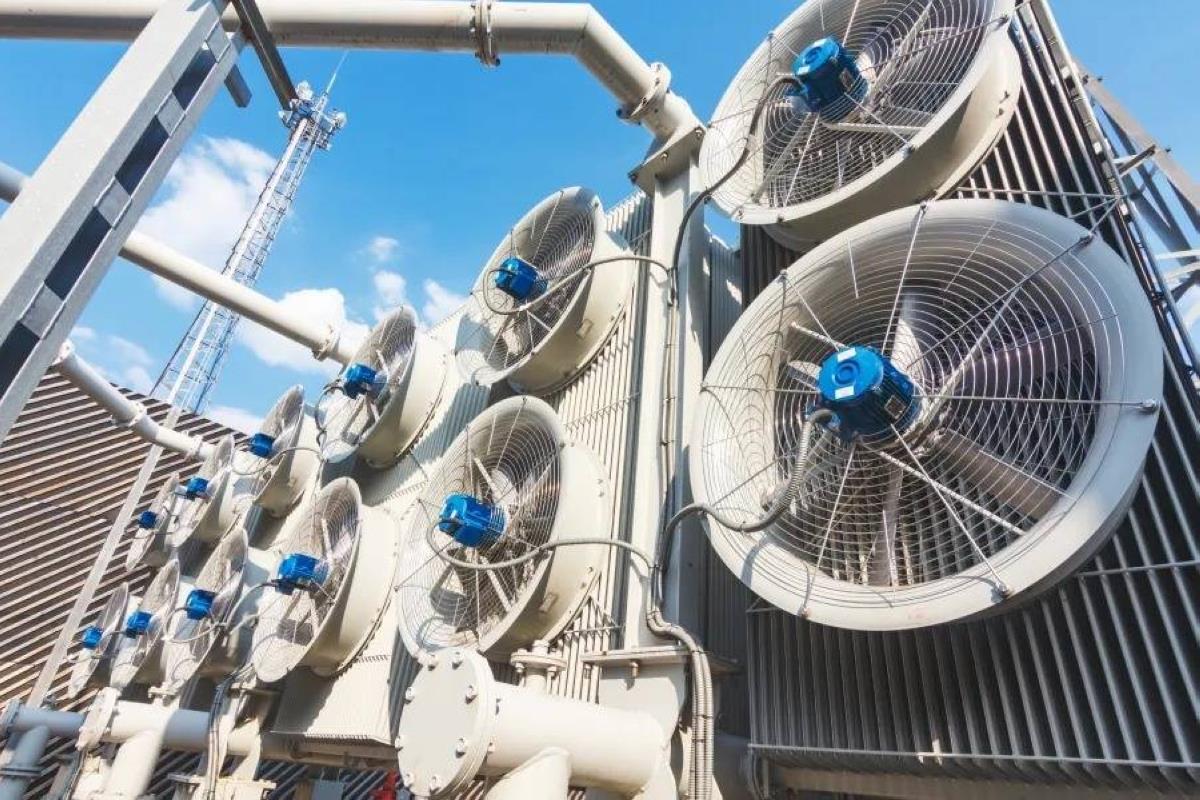
District Cooling Helps Reduce Electricity Usage
(MENAFN- Gulf Times) District cooling is playing an increasingly important role in improving energy efficiency and reducing environmental impact in Qatar, where air-conditioning accounts for a significant share of electricity consumption due to the country's hot climate, according to Qatar General Electricity and Water Corporation (Kahramaa).
Kahramaa said district cooling supports Qatar's national sustainability goals by lowering greenhouse gas emissions and optimising the use of key resources such as electricity and water. The corporation noted that the technology aligns with its ongoing efforts to promote efficient energy and water use, reduce consumption, and strengthen the overall efficiency of utility infrastructure.
District cooling is a modern air-conditioning solution in which chilled water is produced at a centralised plant and distributed through insulated underground pipelines to multiple buildings. Instead of relying on separate cooling systems for each building, the centralised approach allows entire districts to share a single cooling network, improving energy performance and operational reliability.
The system works by circulating chilled water through heat exchangers inside buildings, where it absorbs heat from air-conditioning systems before returning to the central plant to be cooled again and recirculated. This closed-loop process helps lower overall energy demand, reduce peak electricity loads, and limit the need for multiple independently operated cooling units.
According to Kahramaa, district cooling is particularly suited to large-scale urban developments and is widely used in residential and commercial towers, housing compounds, shopping malls, hotels, hospitals, airports, and mixed-use developments. Its scalability makes it an effective solution for rapidly expanding urban areas with consistently high cooling demand.
Kahramaa highlighted that district cooling systems can reduce electricity consumption by 30 to 40% compared with conventional air-conditioning systems. Around 70 district cooling plants are currently operational in Qatar, with a combined installed capacity of about 1.15mn refrigeration tonnes.
The corporation also pointed to the technology's contribution to water conservation. In 2024 alone, district cooling systems in Qatar saved an estimated 18.5mn cubic metres of water, enough to meet the needs of approximately 18,000 villas.
Studies conducted in Qatar have shown that centralised cooling systems can cut energy use by up to 40% compared with traditional cooling methods, while also reducing refrigerant leakage and enhancing the stability of the national electricity grid.
Kahramaa stressed that expanding the use of district cooling forms part of broader efforts to support sustainable urban development and improve resource efficiency as Qatar continues to grow.

Legal Disclaimer:
MENAFN provides the
information “as is” without warranty of any kind. We do not accept
any responsibility or liability for the accuracy, content, images,
videos, licenses, completeness, legality, or reliability of the information
contained in this article. If you have any complaints or copyright
issues related to this article, kindly contact the provider above.
Most popular stories
Market Research

More Story







Comments
No comment