




403
Sorry!!
Error! We're sorry, but the page you were looking for doesn't exist.
Putting The 'Cultural' Foot Forward
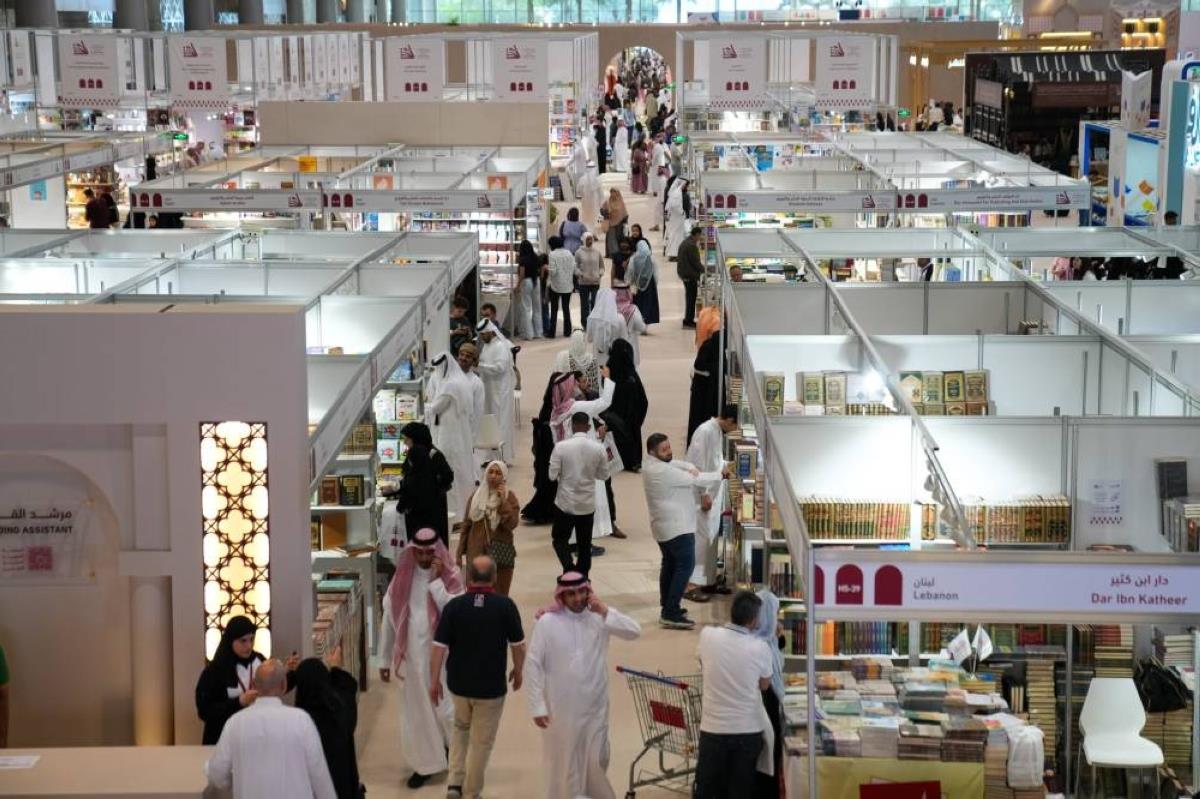
(MENAFN- Gulf Times) The head of cultural committee at the Doha International Book Fair (DIBF), Dalal al-Dosari, affirmed that the 35th edition of the fair was curated and presented with a renewed vision encompassing cultural, national, and intellectual dimensions. This reflects the fair's mission as a platform for dialogue, knowledge, and cultural documentation with national identity and openness to diverse intellectual and human experiences at the heart of everything.
Asked to elaborate on this, al-Dosari says that the cultural program for this edition was distinguished by several high-quality initiatives. Among the most prominent was the hosting of the“This is Qatar” project as the fair's guest of honour, in addition to the launch of the“Qatar Speaks” platform. This platform hosts a select group of national leaders in various vital and developmental fields with the aim of documenting their experiences and highlighting their role in building the nation.
The“Qatar Speaks” platform stemmed from the belief that achievements have a voice that must be heard by future generations, and that successful national experiences represent a lasting legacy that can be learned from and emulated, she added.
The cultural program was not limited to traditional intellectual seminars, but rather included daily events that combined thought, literature, arts, heritage, and contemporary issues, with dedicated space for discussion on the role of intellectuals amidst the crises and transformations witnessed by the region and the world, she pointed.
Al-Dosari noted that the event featured a distinguished lineup of thinkers, writers, and specialists, alongside a focus on interactive
activities aimed at children and various age groups, ensuring broader public participation and enhancing engagement with cultural activities.
She further emphasised that the cultural program was developed from the outset based on a comprehensive vision reflecting the richness of society and the diversity of its interests. She stressed the exhibition's commitment to hosting experiences from diverse intellectual and cultural schools, embodying the spirit of dialogue and openness upon which the exhibition is founded.
Regarding the balance between its popular appeal and its elite focus, al-Dosari stated that the cultural program successfully presented content accessible to the public without compromising its intellectual depth.
She said that the seminars addressed intellectual topics in a simplified and engaging manner, while maintaining their scholarly value.
This paved the way for a common space for intellectuals and the general public to meet within a singular cultural experience. The committee's vision is based on the principle that“culture is for everyone,” and that it only bears fruit when presented in a language that is understandable and accessible to the public. This, she said, was reflected in the large public attendance at the seminars and events.
Regarding naming the“This is Qatar” project as the guest of honour for this session, al-Dosari described this step as a“unique experience,” given that the guest of honour is not a country or a traditional institution, but rather a comprehensive cultural, national, and intellectual project. She emphasised that the project represents a documentary cultural encyclopedia that tells the story of Qatar to the world through a blend of knowledge, documentation, and visual creativity. It carries significant national significance due to its documentation of Qatar's history, memory, and identity.
She noted that the project is not limited to printed books, but also includes audiobooks and more than 300 documentaries, in addition to a wealth of visual materials such as photographs, maps, and documents that chronicle the character of Qatar's places and people. She explained that hosting the“This is Qatar” project directly influenced the nature of the seminars and sessions accompanying the exhibition, with events dedicated to addressing issues of national identity, historical documentation, and collective memory.
The“Qatar Speaks” platform contributed to highlighting inspiring Qatari experiences in the intellectual, economic, medical, and legal fields through direct encounters with experts, giving young people the opportunity to learn from these role models and benefit from their experiences, she added.
Al-Dosari emphasised that the“This is Qatar” project presents a contemporary model for cultural and intellectual documentation, combining cultural narrative with visual and intellectual documentation, while utilising modern media to convey the cultural message.
She explained that the project reflects a global trend in engaging with diverse cultures, as its content has been translated into five languages, with documentaries dubbed into those same languages.
She added that there are future plans for expansion, making it a cultural window that conveys Qatar's message to the world, and described it as“a nation's memory and a bridge connecting the past with the present.”

Legal Disclaimer:
MENAFN provides the
information “as is” without warranty of any kind. We do not accept
any responsibility or liability for the accuracy, content, images,
videos, licenses, completeness, legality, or reliability of the information
contained in this article. If you have any complaints or copyright
issues related to this article, kindly contact the provider above.
Most popular stories
Market Research

More Story





Comments
No comment