




403
Sorry!!
Error! We're sorry, but the page you were looking for doesn't exist.
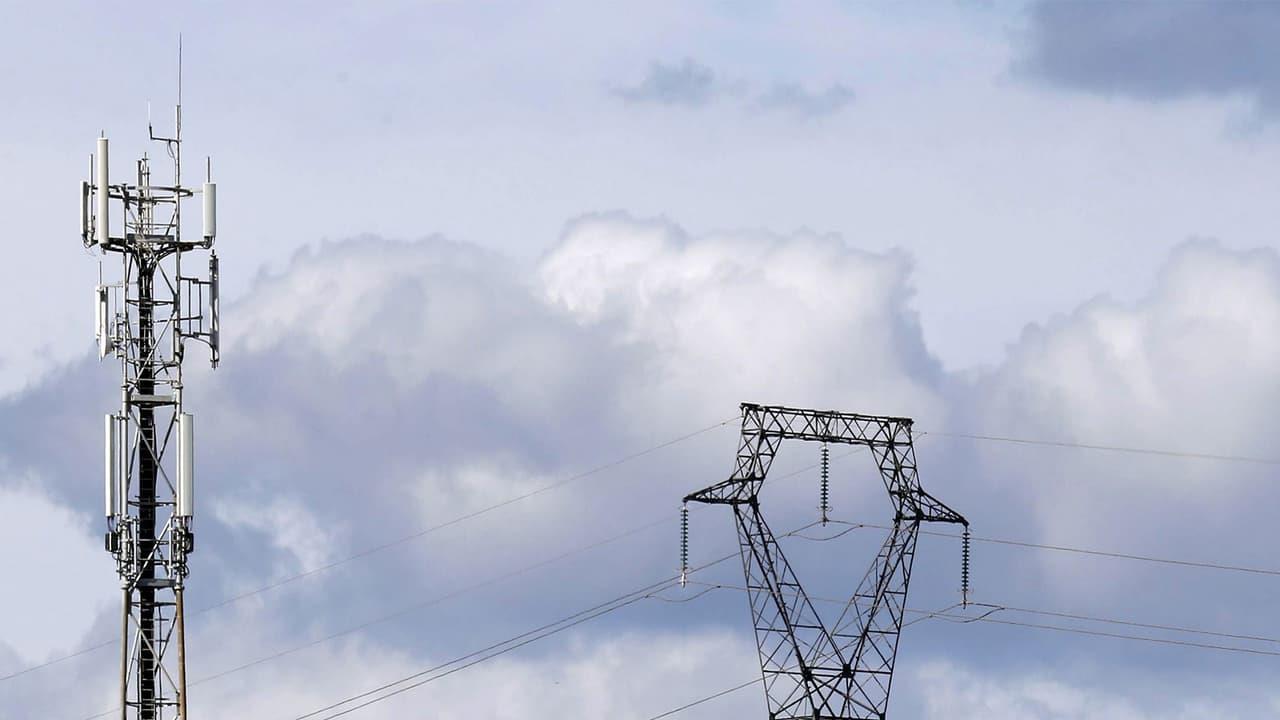
Resilient Telecom Networks Critical For India's Digital Growth: Experts
(MENAFN- AsiaNet News)
As India's digital economy expands rapidly, industry leaders said resilient and intelligent telecom networks are emerging as critical infrastructure supporting financial systems, governance platforms, enterprises, healthcare, mobility and AI-driven ecosystems.
On the occasion of World Telecommunication and Information Society Day (WTISD) 2026, stakeholders across the telecom, satellite, digital services and network infrastructure ecosystem said the next phase of India's digital growth will depend on secure, scalable and resilient communications networks.
Telecom Networks: The Backbone of India's Digital Economy
S.P. Kochhar, Director General of the Cellular Operators Association of India (COAI), said telecom networks have evolved far beyond enabling communication. "Telecom networks today are no longer just enabling communication; they have evolved into a value-added horizontal supporting every major sector of the economy. From UPI transactions and digital governance to healthcare, logistics, manufacturing and enterprise operations, India's real-time digital economy now runs on resilient telecom infrastructure," Kochhar said.
He further stated that "participants who gain significantly from this ecosystem, such as Large Traffic Generators whose platforms drive massive data consumption and monetization, must also contribute fairly to strengthening the underlying network ecosystem."
Satellite Communications to Enhance Connectivity Resilience
Highlighting the growing role of satellite communications in complementing terrestrial infrastructure and strengthening connectivity resilience during disruptions and in remote geographies, A K Bhatt, Ex-Director General of the Indian Space Association (ISpA), said, "Satellite communications will complement terrestrial infrastructure by ensuring seamless connectivity in remote areas, disaster-hit regions and during network disruptions."
Stressing the need for regulatory reforms, Bhatt said there is a need for "faster regulatory clearances, streamlined licensing frameworks and timely spectrum assignment mechanisms."
Echoing similar views, Gautam Sharma, Managing Director of Viasat India, said, "Satellite communications are emerging as a critical extension to terrestrial infrastructure, enabling reliable connectivity in geographically challenging regions, during natural disasters and in situations where traditional networks may face disruptions."
Pivoting to Intelligent, Secure, and High-Performance Networks
On the network infrastructure side, Vibha Mehra, Country Manager of Nokia India, said, "As networks evolve from simply connecting people to enabling intelligent digital ecosystems, the need for secure, resilient and high-performance infrastructure becomes even more critical."
Industry executives also pointed to the growing role of AI, cloud-native technologies, edge computing and secure digital platforms in enabling resilient digital ecosystems.
Rajesh Chandiramani, CEO of Comviva, said, "The resilience of communications networks is no longer just about connectivity, but about ensuring continuity of critical digital experiences."
Chandiramani added, "Building resilient digital ecosystems will require closer integration of intelligent networks, cloud-native architectures, AI-led platforms and secured infrastructures to ensure uninterrupted service delivery even during the periods of network stress or disruption."
Amol Phadke, Chief Transformation Officer at Tech Mahindra, said, "Communications Service Providers are at a pivotal inflection point, where connectivity is no longer just an enabler but the foundation for unlocking a wider spectrum of possibilities across industries and societies."
He further said the industry is transitioning "from connectivity-led models to platform-driven, ecosystem-centric growth," driven by AI, cloud-native architectures, open APIs and edge technologies.
Meanwhile, Pankaj Malik, CEO and Whole-time Director of Invenia-STL Networks, said, "With telecom, the focus is moving beyond connectivity to the quality and intelligence of networks."
Malik added that the next phase of telecom growth in India will be defined by "deeper fiberization, resilient infrastructure and low-latency networks that can support real-time, data-intensive applications."
Rahul Tandon, Senior Vice President at IDEMIA Secure Transaction, said, "IoT, eSIM and quantum-safe security are rapidly becoming foundational to building resilient, trusted and future-ready digital ecosystems. The networks of tomorrow will only be as strong as the security embedded into them today." (ANI)
(Except for the headline, this story has not been edited by Asianet Newsable English staff and is published from a syndicated feed.)
Legal Disclaimer:
MENAFN provides the
information “as is” without warranty of any kind. We do not accept
any responsibility or liability for the accuracy, content, images,
videos, licenses, completeness, legality, or reliability of the information
contained in this article. If you have any complaints or copyright
issues related to this article, kindly contact the provider above.
Most popular stories
Market Research

More Story







Comments
No comment