




403
Sorry!!
Error! We're sorry, but the page you were looking for doesn't exist.
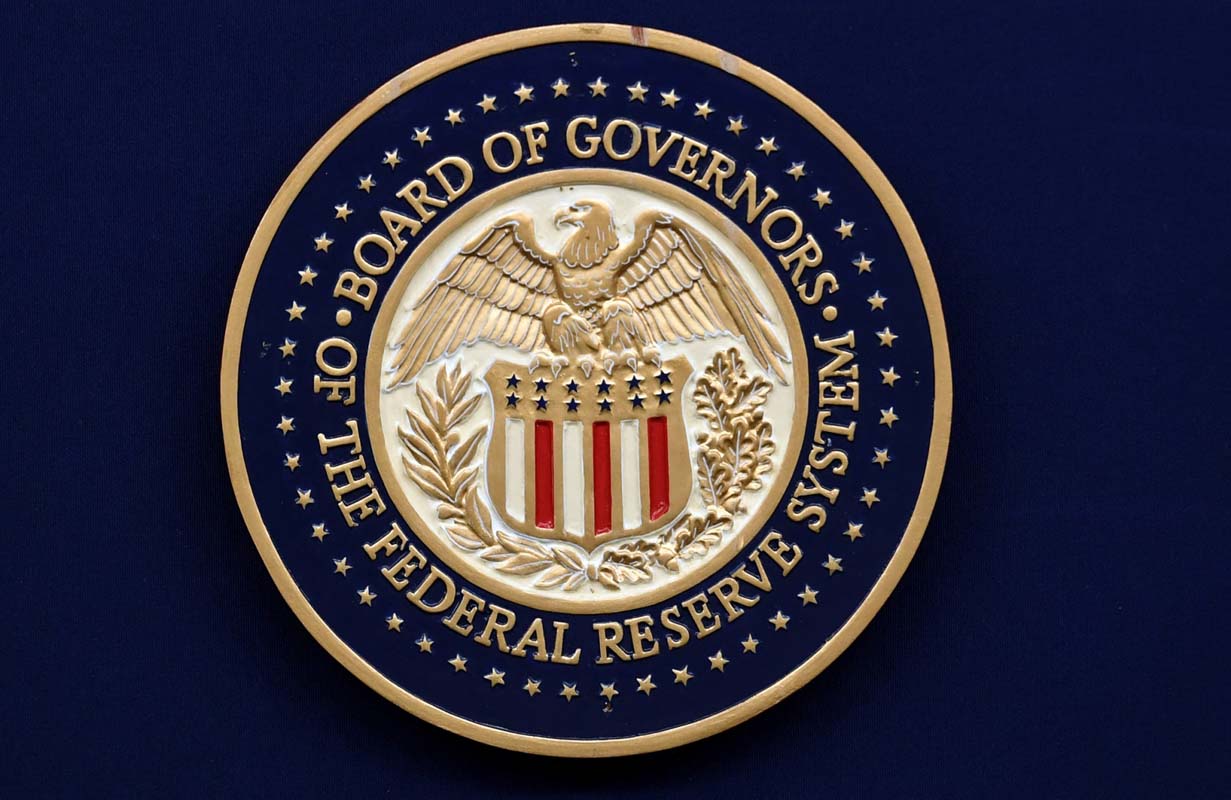
Fed Likely to Pursue Further Rate Cuts
(MENAFN) Specialists informed a news agency that the Federal Reserve is anticipated to proceed with reducing interest rates this year, influenced by uncertainties in the labor market and escalating tensions in the Middle East.
During its meeting this week, the Fed is projected to hold interest rates steady within the 3.5–3.75% range. Analysts suggest that despite worries about rising energy prices—fueled by the Middle East conflict potentially increasing inflationary strain—the central bank will still move forward with rate reductions, even if expectations for such actions are postponed.
Philip Marey, a senior US strategist at Rabobank, stated in comments to the news agency that the Fed is likely to keep rates unchanged this week. He added that Fed Board Member Stephen Miran could once again oppose the decision.
Remarks from Fed Chair Jerome Powell regarding recently published economic indicators—and how they illustrate the effects of the Middle East conflict—are expected to provide insight into the institution’s future policy direction.
Marey forecasts two rate reductions later this year, specifically in September and December. Meanwhile, Kevin Warsh, selected by Donald Trump as a potential successor to the Fed chair and pending Senate confirmation, is anticipated to implement more aggressive cuts compared to the single reduction outlined in recent projections.
He emphasized that Warsh’s effectiveness will hinge on forthcoming economic data, which is likely to be significantly influenced by the continuing conflict, with no enduring resolution currently visible.
During its meeting this week, the Fed is projected to hold interest rates steady within the 3.5–3.75% range. Analysts suggest that despite worries about rising energy prices—fueled by the Middle East conflict potentially increasing inflationary strain—the central bank will still move forward with rate reductions, even if expectations for such actions are postponed.
Philip Marey, a senior US strategist at Rabobank, stated in comments to the news agency that the Fed is likely to keep rates unchanged this week. He added that Fed Board Member Stephen Miran could once again oppose the decision.
Remarks from Fed Chair Jerome Powell regarding recently published economic indicators—and how they illustrate the effects of the Middle East conflict—are expected to provide insight into the institution’s future policy direction.
Marey forecasts two rate reductions later this year, specifically in September and December. Meanwhile, Kevin Warsh, selected by Donald Trump as a potential successor to the Fed chair and pending Senate confirmation, is anticipated to implement more aggressive cuts compared to the single reduction outlined in recent projections.
He emphasized that Warsh’s effectiveness will hinge on forthcoming economic data, which is likely to be significantly influenced by the continuing conflict, with no enduring resolution currently visible.

Legal Disclaimer:
MENAFN provides the
information “as is” without warranty of any kind. We do not accept
any responsibility or liability for the accuracy, content, images,
videos, licenses, completeness, legality, or reliability of the information
contained in this article. If you have any complaints or copyright
issues related to this article, kindly contact the provider above.
Most popular stories
Market Research

More Story





Comments
No comment