




403
Sorry!!
Error! We're sorry, but the page you were looking for doesn't exist.
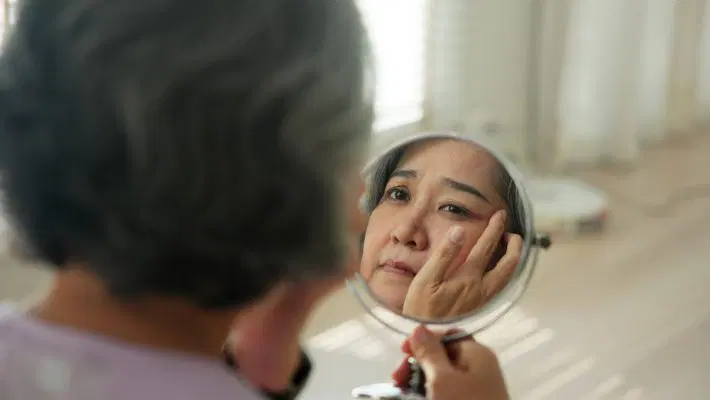
Doctors Say These 2 Ages Are When The Body Starts Aging Much Faster
(MENAFN- Saving Advice) Most people assume aging happens slowly over time, one wrinkle or ache at a time. However, researchers now say the body may actually go through two major“bursts” of aging that feel far more sudden and noticeable. Doctors and scientists studying biological aging have identified the mid-40s and early 60s as two periods when the body experiences significant molecular and physical shifts. That may explain why some people suddenly notice weight gain, lower energy, aching joints, worsening sleep, or slower recovery seemingly overnight. Here's what you need to know.Why Experts Believe Aging Speeds Up Around Age 44
Researchers at Stanford Medicine found that many important molecules in the body shift dramatically around the mid-40s rather than changing gradually over decades. Scientists tracked thousands of biological markers in adults between ages 25 and 75 and discovered major changes involving metabolism, cardiovascular health, skin aging, and muscle function around age 44.
Many adults first notice these shifts through stubborn weight gain, increased fatigue, slower exercise recovery, or reduced tolerance for alcohol and processed foods. Doctors say this stage often catches people off guard because they may still feel mentally young while their metabolism and muscle maintenance begin slowing down significantly. The findings suggest that aging acceleration ages are tied to real biological changes rather than simply“feeling older.”
The Early 60s Bring Another Major Shift in the BodyThe second major wave of aging appears to occur around age 60, according to the same research. During this stage, scientists observed stronger changes involving immune regulation, kidney function, inflammation, and carbohydrate metabolism. This helps explain why many adults in their 60s suddenly face increased risks for chronic illnesses like diabetes, heart disease, arthritis, or mobility issues. Some people also notice they lose muscle faster, heal more slowly, or struggle with fatigue after illnesses that would not have bothered them years earlier.
Scientists Say Aging Is Not Always Slow and SteadyFor years, many people pictured aging as a smooth, gradual process that unfolds evenly over time. The newer research challenges that idea by showing that the body may go through rapid biological transitions during specific periods of life. Researchers studied more than 135,000 molecules and microbes connected to aging and discovered that about 81% showed major changes during one or both aging spikes. In practical terms, this means adults may suddenly feel older within a relatively short period instead of noticing tiny changes every year.
Lifestyle Choices Become Much More Important During These AgesOne important takeaway from the research is that healthy habits matter even more before and during these aging shifts. Doctors say adults entering their 40s and 60s should pay closer attention to sleep quality, muscle strength, nutrition, hydration, and cardiovascular health. Small habits that seemed harmless in earlier decades, like poor sleep, excessive alcohol use, inactivity, or highly processed diets, may suddenly produce stronger physical consequences. For example, many adults notice that recovery from late nights, heavy meals, or stressful weeks becomes much harder after age 44.
Muscle Loss and Metabolism Changes Are Often the First SignsDoctors frequently say one of the earliest warning signs of accelerated aging is loss of muscle mass combined with a slower metabolism. Adults in their mid-40s often discover they gain weight more easily, even when their diet has not changed dramatically. At the same time, many people begin losing muscle naturally, especially if they are not strength training regularly. This combination can reduce balance, mobility, energy levels, and long-term independence later in life.
Mental and Emotional Health Can Shift During These Periods TooPhysical aging is not the only challenge people experience during these stages of life. Adults in their 40s and 60s often face major life stressors at the same time their bodies are changing biologically. Midlife responsibilities, caregiving, retirement concerns, financial stress, and sleep disruptions can all increase anxiety and emotional exhaustion. Doctors say chronic stress may worsen inflammation and other aging-related biological processes, making healthy coping strategies especially important. Simple habits like daily walking, social connection, stress management, and regular medical screenings can make a meaningful difference during these aging acceleration ages.
What These Aging Milestones Really Mean for Your FutureThe good news is that these aging shifts do not mean people suddenly become unhealthy or incapable overnight. Instead, doctors say the research gives adults a clearer roadmap for when preventive health habits become even more important. Paying attention to exercise, nutrition, sleep, heart health, and stress levels in your 40s and 50s may help reduce the impact of these biological aging waves later on. Many adults who remain physically active and socially engaged continue living vibrant, healthy lives well beyond age 60.
Have you noticed major physical or energy changes in your 40s or 60s? Share your experience in the comments below.

Legal Disclaimer:
MENAFN provides the
information “as is” without warranty of any kind. We do not accept
any responsibility or liability for the accuracy, content, images,
videos, licenses, completeness, legality, or reliability of the information
contained in this article. If you have any complaints or copyright
issues related to this article, kindly contact the provider above.
Most popular stories
Market Research

More Story







Comments
No comment