



403
Sorry!!
Error! We're sorry, but the page you were looking for doesn't exist.
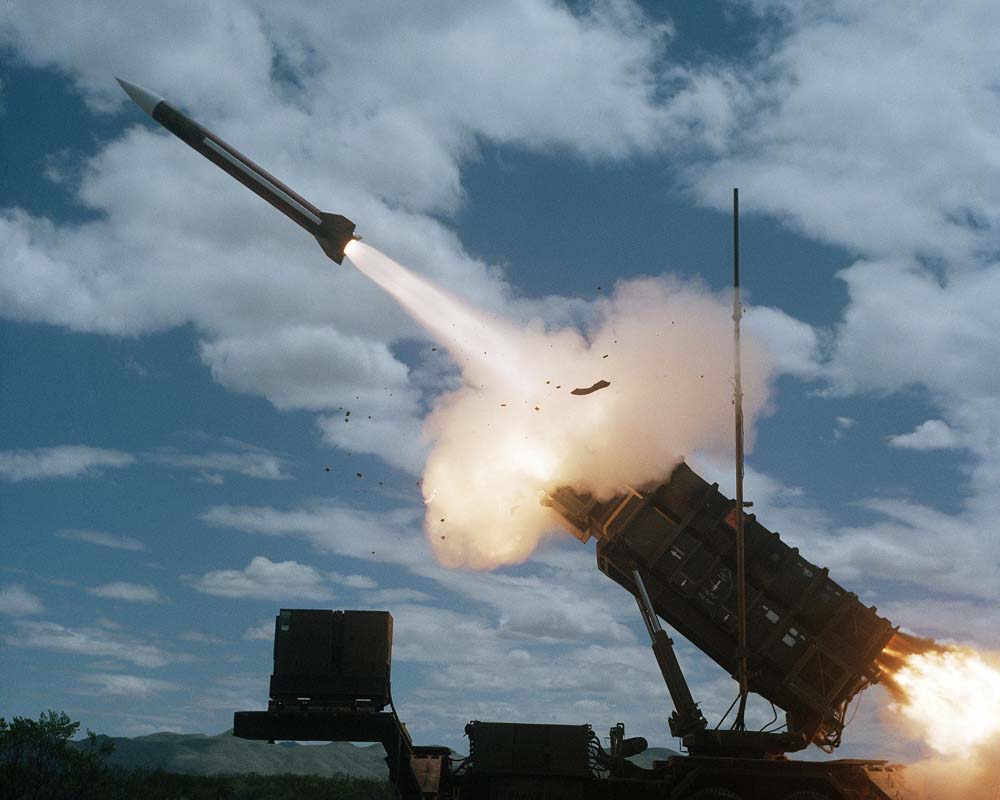
US “Golden Dome” Missile Defense Project Projected to Reach USD1.2T
(MENAFN) A major US missile defense initiative known as the “Golden Dome” could cost significantly more than earlier projections, according to an analysis released by the Congressional Budget Office (CBO).
The report estimates that the system’s development, deployment, and long-term maintenance over a 20-year period would amount to roughly $1.2 trillion, far exceeding the $175 billion figure previously cited by US President Donald Trump when he first outlined the program.
According to the CBO analysis, the bulk of the cost—more than $1 trillion—would be driven by procurement, including layered interceptor systems, space-based surveillance and tracking infrastructure, as well as extensive research and development.
The report further notes that space-based interceptors alone would account for approximately 70% of acquisition spending and about 60% of total program costs.
So far, Congress has approved around $24.4 billion for the project, which is designed to provide comprehensive missile defense coverage for the entire United States, including Alaska and Hawaii.
The initiative is framed around countering ballistic, hypersonic, and cruise missile threats, which the administration describes as increasingly complex due to advancements by rival military powers.
The CBO also emphasized uncertainty in its projections, noting that limited public details about the system’s final architecture made precise long-term cost estimation difficult. As a result, the office based its calculations on a modeled version of a national missile defense system aligned with the executive order’s stated objectives.
The report estimates that the system’s development, deployment, and long-term maintenance over a 20-year period would amount to roughly $1.2 trillion, far exceeding the $175 billion figure previously cited by US President Donald Trump when he first outlined the program.
According to the CBO analysis, the bulk of the cost—more than $1 trillion—would be driven by procurement, including layered interceptor systems, space-based surveillance and tracking infrastructure, as well as extensive research and development.
The report further notes that space-based interceptors alone would account for approximately 70% of acquisition spending and about 60% of total program costs.
So far, Congress has approved around $24.4 billion for the project, which is designed to provide comprehensive missile defense coverage for the entire United States, including Alaska and Hawaii.
The initiative is framed around countering ballistic, hypersonic, and cruise missile threats, which the administration describes as increasingly complex due to advancements by rival military powers.
The CBO also emphasized uncertainty in its projections, noting that limited public details about the system’s final architecture made precise long-term cost estimation difficult. As a result, the office based its calculations on a modeled version of a national missile defense system aligned with the executive order’s stated objectives.

Legal Disclaimer:
MENAFN provides the
information “as is” without warranty of any kind. We do not accept
any responsibility or liability for the accuracy, content, images,
videos, licenses, completeness, legality, or reliability of the information
contained in this article. If you have any complaints or copyright
issues related to this article, kindly contact the provider above.
Most popular stories
Market Research

More Story








Comments
No comment