



403
Sorry!!
Error! We're sorry, but the page you were looking for doesn't exist.
5 Landscaping Trees Now Classified As Invasive In Multiple States
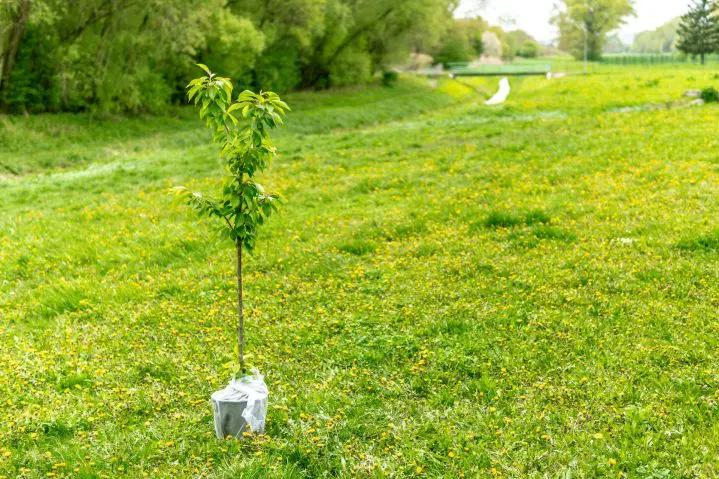
(MENAFN- Everybody Loves Your Money) A young, unplanted tree in someone's yard – Unsplash
A tree can transform a yard from bland to breathtaking in just a few seasons, but some once-beloved landscaping favorites now carry a very different reputation. Across the United States, state agencies and environmental experts continue adding popular ornamental trees to invasive species lists because these fast-growing plants choke out native ecosystems, damage infrastructure, and create expensive maintenance problems for homeowners. A tree that looked gorgeous in a nursery catalog ten years ago might now trigger warnings from local conservation groups and even bans in certain communities.
Many homeowners still plant these trees without realizing the trouble they cause down the road. Several states now discourage sales of these species, while others actively remove them from parks and public spaces. Before adding new greenery to the yard this season, homeowners should know which landscaping stars have officially fallen from grace.
1. Bradford Pear Trees Became a Landscaping VillainThe Bradford Pear Tree exploded in popularity during the 1990s because it grew quickly, produced bright white spring blooms, and seemed almost impossible to kill. Developers planted rows of them along suburban streets because they delivered instant curb appeal without much effort. Unfortunately, the same qualities that made the tree attractive also turned it into an ecological nightmare across states like Ohio, South Carolina, and Pennsylvania. Birds spread the seeds into forests and open fields, where dense thickets pushed out native species and disrupted wildlife habitats.
Homeowners also discovered that Bradford pears come with a long list of annoying surprises. The branches split apart during storms because the tree develops weak structural angles as it matures, leaving yards littered with broken limbs after heavy winds. The flowers release a famously unpleasant odor that many people compare to rotting fish, which certainly ruins the magic of spring blooms. Several states now encourage residents to replace Bradford pears with native flowering trees such as dogwoods or redbuds. Some municipalities even offer trade-in programs that reward homeowners for cutting these invasive trees down.
2. Tree of Heaven Lives Up to Its Bad ReputationThe Tree of Heaven arrived in the United States during the 1700s and quickly spread through urban areas because it tolerated pollution, poor soil, and neglect. Railroad companies and city planners once treated it like the perfect solution for difficult landscapes. Today, environmental agencies across dozens of states classify it as invasive because it spreads aggressively and releases chemicals that prevent nearby plants from growing. That chemical warfare allows Tree of Heaven to dominate vacant lots, roadsides, and even residential neighborhoods.
The tree creates another major problem because it serves as a preferred host for spotted lanternflies, one of the country's most destructive invasive insects. These pests damage vineyards, fruit orchards, and hardwood trees while multiplying at alarming rates. Homeowners often struggle to eliminate Tree of Heaven because cutting it down can actually trigger explosive root sprouting that creates even more trees. Experts usually recommend a combination of herbicide treatment and careful removal to stop the spread effectively. A fast-growing shade tree may sound convenient at first, but this one often turns into a full-blown backyard battle.
3. Mimosa Trees Charm Homeowners Before Taking OverThe Mimosa Tree wins plenty of fans with its feathery leaves and fluffy pink flowers that resemble fireworks frozen in midair. Garden centers marketed the tree for decades as a tropical-looking showpiece that could thrive in warm southern climates. Unfortunately, mimosa trees spread aggressively along roadsides, riverbanks, and disturbed woodland areas throughout many southeastern states. Their rapid growth crowds out native vegetation and disrupts delicate ecosystems that local wildlife rely on for food and shelter.
Mimosa trees also create frustrating maintenance headaches for property owners. The brittle wood snaps easily during storms, and the trees produce endless seed pods that scatter everywhere across lawns and flower beds. Many homeowners plant one for quick beauty only to spend years pulling up volunteer seedlings that pop up in every corner of the yard. The tree's shallow roots can also compete heavily with grass and nearby plants for moisture. Native alternatives like eastern redbud or serviceberry provide vibrant color without creating ecological chaos.
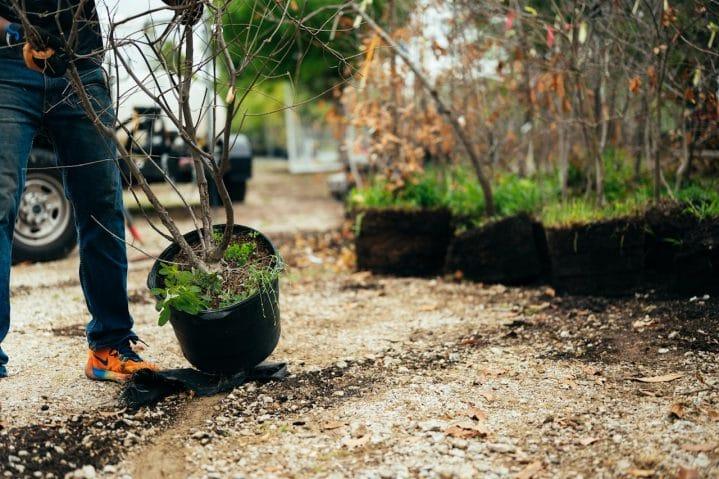
Someone carrying a tree they plan to plant – Pexels
4. Norway Maple Quietly Took Over Urban NeighborhoodsThe Norway Maple once dominated suburban landscaping because it handled city pollution and tough growing conditions better than many native maples. Its dense canopy offered fast shade, making it a favorite choice for streets, parks, and front yards across the Northeast and Midwest. Over time, though, ecologists noticed that Norway maple seedlings spread aggressively into forests where they blocked sunlight from reaching native wildflowers and young trees. Several states now classify the species as invasive or strongly discourage new plantings.
The tree creates surprisingly harsh conditions underneath its canopy because very little grass or groundcover survives in the heavy shade. Homeowners often complain about bare patches of dirt and struggling flower beds around mature Norway maples. The roots sit close to the soil surface, which complicates mowing and landscaping projects while competing fiercely for nutrients and water. Native sugar maples and red maples offer beautiful fall color without the same environmental drawbacks. Many arborists now steer homeowners toward those alternatives instead of the once-trendy Norway maple.
5. Chinese Tallow Trees Spread Faster Than ExpectedThe Chinese Tallow Tree originally gained popularity because of its striking fall foliage and rapid growth in warm climates. Landscapers praised its ability to thrive in wet soils and poor conditions where other trees struggled to survive. That adaptability turned into a major environmental problem across Gulf Coast states, where Chinese tallow trees spread rapidly through wetlands, forests, and open grasslands. Dense stands of these trees crowd out native plants and dramatically alter wildlife habitats.
Chinese tallow trees also produce enormous quantities of seeds that birds spread over long distances. Once established, the trees grow aggressively and form thick clusters that prove difficult and expensive to remove. Some studies show that these trees can alter soil chemistry in ways that make it harder for native plants to recover even after removal efforts begin. Homeowners who plant them for quick shade often underestimate the long-term maintenance nightmare waiting ahead. Native species usually support far more birds, pollinators, and beneficial wildlife while creating healthier landscapes overall.
A Beautiful Yard Should Not Become an Ecological DisasterLandscaping trends change constantly, and many trees once praised as miracle solutions now create serious environmental and financial consequences. Several invasive species continue spreading because homeowners simply do not realize the risks hiding behind pretty flowers or fast-growing shade. State agencies increasingly encourage residents to replace invasive trees with native alternatives that support pollinators, strengthen ecosystems, and require less maintenance over time. A smarter tree choice today can prevent expensive removal costs and environmental damage tomorrow.
Which landscaping tree caused the biggest headache in your neighborhood? It's time to share our stories below in our comments section.

Legal Disclaimer:
MENAFN provides the
information “as is” without warranty of any kind. We do not accept
any responsibility or liability for the accuracy, content, images,
videos, licenses, completeness, legality, or reliability of the information
contained in this article. If you have any complaints or copyright
issues related to this article, kindly contact the provider above.
Most popular stories
Market Research

More Story








Comments
No comment