



403
Sorry!!
Error! We're sorry, but the page you were looking for doesn't exist.
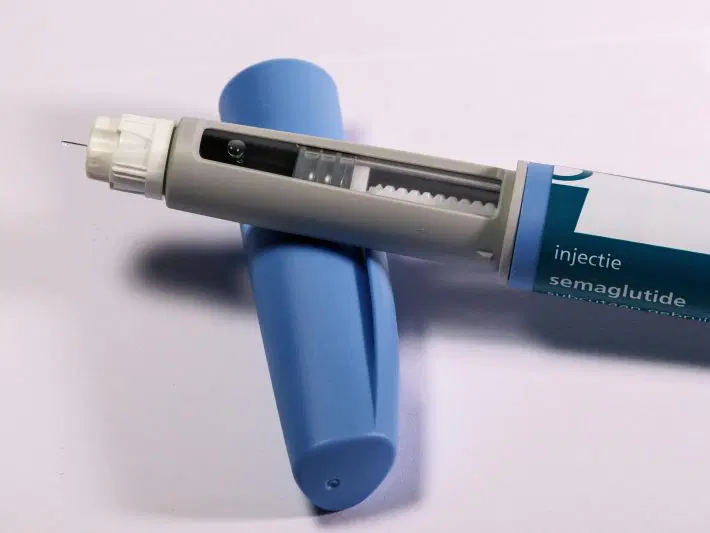
The New $50 Medicare Weight-Loss Drug Program Has A Catch For Low-Income Seniors
(MENAFN- Saving Advice) For years, many older Americans watched popular weight-loss drugs like Wegovy and Zepbound dominate headlines while remaining financially out of reach. Monthly costs for GLP-1 medications often exceeded $1,000 without insurance coverage, making them nearly impossible for retirees living on fixed incomes. Now, a new Medicare GLP-1 Bridge program promises eligible seniors access to certain weight-loss medications for just $50 per month starting in July 2026. While that sounds like a major breakthrough, healthcare experts warn there are several important catches that low-income seniors need to understand before celebrating. From eligibility restrictions to out-of-pocket loopholes, the new program may not be as simple or affordable as many beneficiaries expect.The Program Is Temporary, Not Permanent
One of the biggest concerns surrounding the Medicare GLP-1 Bridge program is that it is not permanent coverage. According to CMS, the current demonstration program is scheduled to run through the end of 2027 while officials decide whether broader long-term coverage should continue. That means seniors who start these medications could face uncertainty about future affordability or continued access after the pilot period ends. Doctors have repeatedly warned that abruptly stopping GLP-1 medications can lead to rapid weight regain and worsening health conditions. For retirees already struggling financially, the possibility of losing access after becoming dependent on treatment creates understandable anxiety.
Not Every Senior Will Actually QualifyDespite headlines suggesting widespread access, the Medicare weight-loss drug program has fairly strict eligibility requirements. Beneficiaries must be enrolled in Medicare Part D or certain Medicare Advantage plans with prescription drug coverage to even be considered. In many cases, seniors must also meet BMI thresholds or demonstrate obesity-related health conditions before approval is granted. Doctors are required to submit prior authorization paperwork confirming patients received lifestyle counseling alongside medication treatment. Healthcare advocates worry that many low-income seniors could face delays, denials, or confusion navigating the approval process.
The $50 Copay Does Not Count Toward Medicare Drug CapsThis is the detail catching many retirees completely off guard. Under the Medicare GLP-1 Bridge structure, the $50 monthly copay does not count toward a beneficiary's annual Medicare Part D out-of-pocket spending cap. That means seniors paying for other expensive prescriptions will not see these GLP-1 costs help them reach catastrophic coverage thresholds faster. CMS specifically states that low-income subsidies and standard Part D protections do not apply to the separate Bridge program payment structure. For low-income seniors already juggling multiple medications, this loophole could create larger overall prescription costs than expected throughout the year.
Some Popular Drugs Still May Not Be CoveredAnother important catch is that not every GLP-1 medication qualifies under the program. CMS currently lists only certain versions of Wegovy, Zepbound KwikPen, and the newly approved Foundayo pill as eligible products. Drugs like Ozempic remain restricted primarily to diabetes treatment coverage rather than standalone weight loss. Seniors switching medications due to shortages, side effects, or physician recommendations may discover their preferred drug falls outside the approved list. Because the program operates separately from standard Medicare Part D formularies, drug availability could still vary depending on supply and administrative approvals.
Low-Income Seniors Could Still Face Hidden CostsEven though the monthly drug cost is capped at $50, many retirees may still encounter indirect expenses tied to treatment. GLP-1 medications often require ongoing doctor visits, lab work, nutritional counseling, and monitoring for side effects like nausea, dehydration, or gastrointestinal complications. Transportation costs and specialist copays can add up quickly for seniors on fixed incomes. Some retirees may also need additional protein supplements or dietary adjustments because these medications suppress appetite significantly. For older adults already balancing tight budgets, the“affordable” program could still create meaningful financial strain over time.
Insurers and Pharmacies Are Still Working Out ProblemsSeveral major insurers have already raised concerns about how the Medicare GLP-1 Bridge program will function operationally. Industry experts warn there may initially be confusion around prior authorizations, pharmacy billing systems, and claims processing procedures. Some pharmacies may not fully understand when prescriptions should be processed through the Bridge system versus standard Medicare Part D plans. Analysts also note that insurer participation remains a critical issue for broader long-term expansion of weight-loss drug coverage. Low-income seniors who already struggle navigating Medicare paperwork could face additional stress if administrative issues delay medication access.
The Demand Could Create Supply and Access ProblemsDemand for GLP-1 medications has exploded nationwide over the past several years. Some experts worry that expanding Medicare access could increase shortages or make it harder for existing patients to maintain uninterrupted treatment. Several states have already reduced Medicaid coverage for GLP-1 drugs because of soaring public healthcare costs tied to demand. If supply constraints worsen, retirees with lower incomes may face longer wait times or limited pharmacy availability in certain regions. Healthcare providers say patients should prepare for possible delays and avoid assuming immediate access simply because the program officially launches.
Why Seniors Need to Read the Fine Print CarefullyThe new Medicare weight-loss drug program could absolutely improve access for many seniors who previously could not afford GLP-1 medications. However, the details matter enormously, especially for retirees living on tight monthly budgets or managing multiple chronic health conditions. Eligibility rules, separate payment structures, temporary coverage timelines, and hidden healthcare costs all create potential complications that beneficiaries should understand before starting treatment. While the $50 price point sounds simple in headlines, the real-world experience may involve more paperwork, uncertainty, and out-of-pocket spending than many seniors anticipate. Talking with a trusted doctor, pharmacist, or Medicare counselor before enrolling may help retirees avoid costly surprises later.
Would you consider using a Medicare-covered GLP-1 medication if it cost $50 a month, or do the hidden catches concern you? Share your thoughts in the comments.

Legal Disclaimer:
MENAFN provides the
information “as is” without warranty of any kind. We do not accept
any responsibility or liability for the accuracy, content, images,
videos, licenses, completeness, legality, or reliability of the information
contained in this article. If you have any complaints or copyright
issues related to this article, kindly contact the provider above.
Most popular stories
Market Research

More Story








Comments
No comment