







403
Sorry!!
Error! We're sorry, but the page you were looking for doesn't exist.
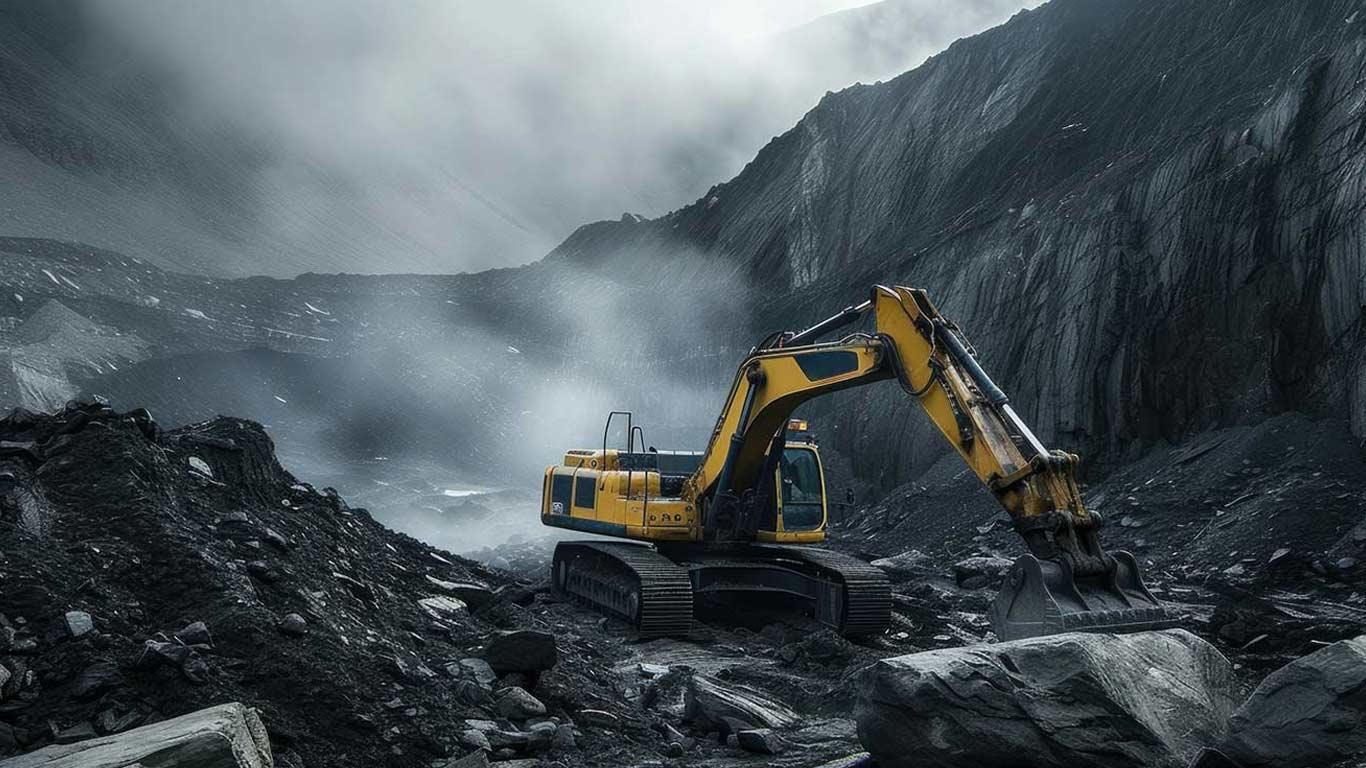
India's Coal Mine Methane Emissions Hit 2.2 Mn Tonnes In 2025 Among Top Global Emitters: IEA Report
(MENAFN- KNN India)
New Delhi, May 5 (KNN) India was among the world's largest emitters of methane from coal mines in 2025 and ranked second in South and Southeast Asia after Indonesia, according to the latest Global Methane Tracker 2026 report by the International Energy Agency (IEA).
Methane emissions from India's coal mines rose to 2.2 million tonnes in 2025 from 2 million tonnes in 2024. The figure is significantly higher than the 0.8 million tonnes reported earlier to the United Nations Framework Convention on Climate Change for 2020.
The report also noted that India is among major coal mine methane emitters yet to sign the Global Methane Pledge, alongside China, Russia and South Africa.
Energy Sector a Major Source
Globally, methane emissions from fossil fuel operations remained high, with oil, gas and coal production contributing about 124 million tonnes in 2025. Overall, the energy sector emitted nearly 150 million tonnes, accounting for roughly 35 per cent of human-related methane emissions.
A large share of these emissions is concentrated in a handful of countries, with China, the United States and Russia among the top contributors.
Output Growth Offsets Gains
While some countries have made progress in reducing emissions intensity, these gains have been offset by record fossil fuel production. As a result, absolute methane emissions have not declined meaningfully.
Untapped Potential to Ease Gas Supply
The report highlighted that cutting methane leaks could unlock up to 200 billion cubic metres of natural gas annually-nearly twice the volume disrupted by a closure of the Strait of Hormuz.
In the near term, targeted mitigation measures could release about 15 bcm of gas, offering partial relief to tight global energy markets.
Cost-Effective Mitigation Available
According to the IEA, up to 70 per cent of methane emissions from fossil fuels can be reduced using existing technologies. More than 35 million tonnes could be avoided at no net cost, as the value of captured gas exceeds the cost of abatement.
The report also noted that halving coal mine methane emissions in South and Southeast Asia is both feasible and cost-effective.
Methane's Climate Impact
Methane is a potent greenhouse gas responsible for 20–30 per cent of global warming since the Industrial Revolution. Although it remains in the atmosphere for a shorter duration than carbon dioxide, it has a significantly higher heat-trapping capacity.
Current methane levels are estimated to be 2.7 times higher than pre-industrial levels, contributing nearly 30 per cent to the rise in global temperatures.
Policy and Implementation Challenges
Despite growing global attention, policy action remains limited. While over 150 countries have joined the Global Methane Pledge to cut emissions by 30 per cent by 2030, existing measures are expected to reduce oil and gas methane emissions by only about 20 per cent, with even slower progress in coal.
Although more than 650 methane-related policies are in place across 80 countries, enforcement gaps, limited financing and weak incentives continue to hinder effective implementation.
Need for Stronger Action
The IEA emphasised that reducing methane emissions is one of the fastest and most cost-effective ways to curb global warming. However, achieving meaningful reductions will require stronger regulations, improved monitoring, and coordinated international efforts.
(KNN Bureau)

Legal Disclaimer:
MENAFN provides the
information “as is” without warranty of any kind. We do not accept
any responsibility or liability for the accuracy, content, images,
videos, licenses, completeness, legality, or reliability of the information
contained in this article. If you have any complaints or copyright
issues related to this article, kindly contact the provider above.
Most popular stories
Market Research

More Story






Comments
No comment