




403
Sorry!!
Error! We're sorry, but the page you were looking for doesn't exist.
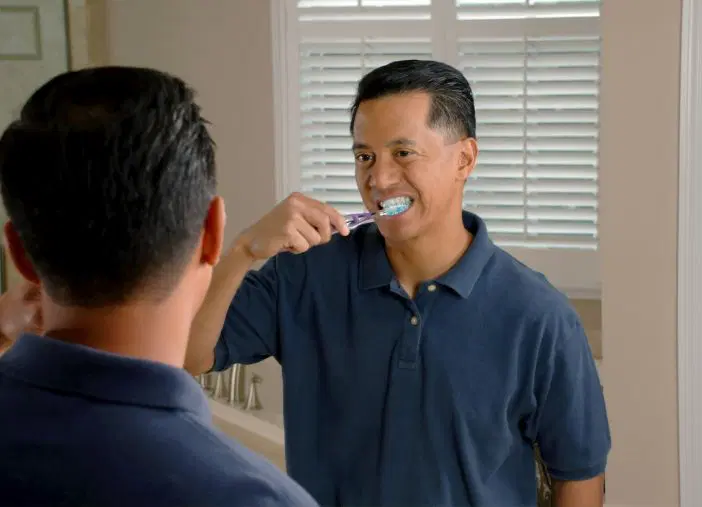
Dental Warning: Manual Toothbrushes May Leave More Plaque Behind Than You Think
(MENAFN- Clever Dude) rely entirely on hand motion, which creates inconsistency across brushing sessions and often leads to uneven plaque removal throughout the mouth. Many users focus heavily on front teeth while unintentionally neglecting molars and inner surfaces where plaque accumulates fastest and most aggressively. Small bristle movements often fail to disrupt sticky biofilm that clings tightly to enamel surfaces and resists light or irregular brushing pressure.

Image Source: Unsplash Electric vs Manual Toothbrush Performance in Real Use
Hard-to-reach areas near the gumline trap food particles and bacteria that simple brushing strokes overlook during rushed or unstructured routines. Dental professionals emphasize that uneven coverage allows plaque colonies to grow, harden, and eventually contribute to more serious oral health concerns over time.
Hidden Plaque Builds Up Where You Least Expect ItPlaque loves tight spaces between teeth where bristles struggle to reach effectively, especially when brushing lacks deliberate angling and consistent movement patterns. Back molars often collect debris due to limited visibility during brushing routines, which leads many people to underestimate buildup in those regions. Gum pockets also trap bacteria that manual brushes rarely disturb fully, even when users apply extra pressure or longer brushing time.
Lingering plaque in these zones can lead to inflammation, sensitivity, and early gum irritation without clear or immediate warning signs. Consistent cleaning gaps allow tartar formation that hardens quickly and requires professional dental tools for safe and complete removal.
What Dentists Notice During Routine CheckupsDentists consistently evaluate brushing quality during routine checkups and notice recurring patterns of missed plaque across similar tooth regions among many patients. Many dental professionals observe that patients underestimate how long effective brushing actually takes and often stop before cleaning all surfaces properly. Experts recommend systematic brushing patterns that cover every surface of each tooth, including outer, inner, and chewing areas in a structured sequence.
Clinical observations show improved outcomes when brushing includes slow, controlled strokes that allow bristles to fully contact enamel surfaces without rushing. Dental teams often stress that technique influences results more than brush type alone, especially when comparing consistent habits over long periods.
Image Source: Unsplash Electric vs Manual Toothbrush Performance in Real Use
Electric toothbrushes deliver consistent motion that reduces reliance on user technique and helps maintain steady cleaning performance throughout each brushing session. Oscillating heads help break up plaque more efficiently across curved tooth surfaces and along gumlines that manual brushes often miss. Manual brushes depend heavily on pressure control, timing, and motion patterns that vary widely between individuals and daily routines.
Studies frequently show electric models improve plaque removal in hard-to-reach areas, especially for users who struggle with consistent brushing technique. Many users notice cleaner sensations and smoother tooth surfaces when switching from manual brushes to powered brushing tools over time.
Everyday Brushing Mistakes That Quietly Harm Oral HealthMany people rush through brushing sessions and cut them short of the recommended duration, which limits overall plaque removal effectiveness significantly. Excessive pressure during brushing can damage gums while still leaving plaque behind, especially in areas that require gentle precision rather than force. Skipping the back teeth creates ideal conditions for bacteria to thrive unnoticed, leading to buildup that often goes undetected until dental visits.
Brushing without systematic sectioning leads to uneven cleaning results across the mouth, leaving certain areas consistently under-cleaned despite daily effort. Neglecting replacement of worn brush heads reduces cleaning efficiency over time, as frayed bristles fail to reach tight spaces properly.
Smarter Oral Care Habits That Actually Make a DifferenceSmarter oral care routines prioritize technique, consistency, and careful attention to hidden tooth surfaces that often collect plaque without obvious warning signs. Manual brushing can still work well when users adopt structured and careful movements that cover all tooth surfaces in a deliberate sequence. Electric toothbrushes add an advantage by delivering more uniform cleaning action across all teeth and reducing reliance on individual brushing skills.
Regular dental checkups help identify plaque buildup early before it turns into larger oral health issues that require more invasive treatments. Strong habits built today protect long-term dental health and reduce the need for complex procedures later in life.
What brushing habits have made the biggest difference in your daily oral care routine? Hop into our comments below to chat about it!

Legal Disclaimer:
MENAFN provides the
information “as is” without warranty of any kind. We do not accept
any responsibility or liability for the accuracy, content, images,
videos, licenses, completeness, legality, or reliability of the information
contained in this article. If you have any complaints or copyright
issues related to this article, kindly contact the provider above.
Most popular stories
Market Research

More Story








Comments
No comment