


Conflict in Gulf Region Triggers Environmental Crisis and Rising Emissions


(MENAFN) A recent assessment indicates that ongoing conflict in the Gulf region has led to significant environmental damage, adding further strain to an already vulnerable ecosystem. Attacks on energy facilities and military sites have reportedly resulted in widespread pollution, toxic emissions, and renewed concerns over environmental and nuclear safety risks.
The conflict began in late February following strikes carried out on targets inside Iran by US and Israeli forces, according to compiled data from multiple international monitoring and environmental organizations.
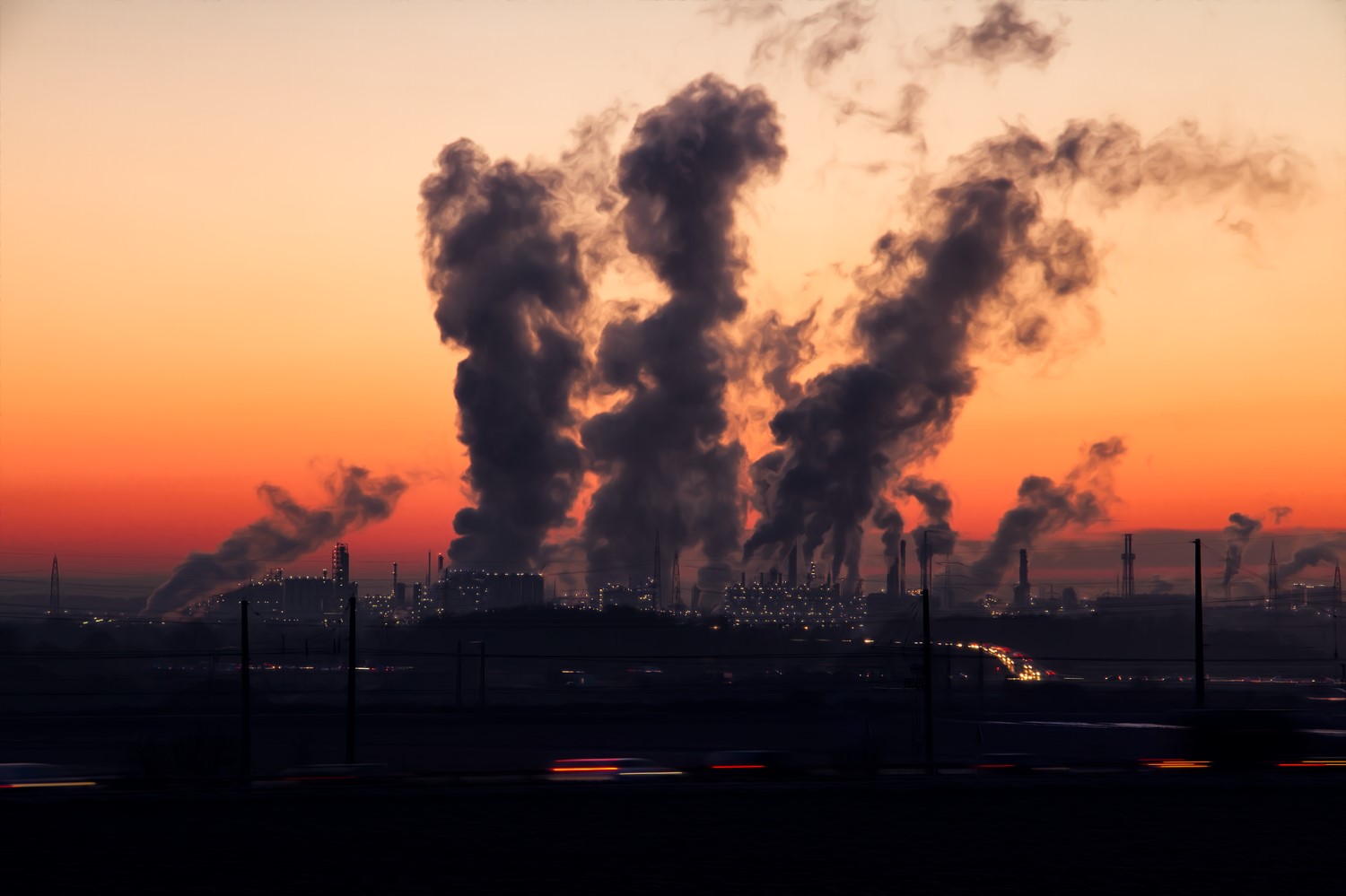
Beyond the human toll, the fighting is estimated to have produced millions of tons of carbon emissions. The environmental impact has been linked largely to repeated strikes on oil infrastructure, which released toxic smoke and hazardous pollutants into the air, posing risks to public health and surrounding ecosystems.
Over the first ten days of the conflict, more than 300 strikes were recorded across several countries in the region, including Iran, Iraq, Israel, Kuwait, Jordan, Cyprus, Bahrain, Qatar, the United Arab Emirates, Saudi Arabia, Oman, and Azerbaijan. A large proportion of these incidents were assessed as carrying environmental risks.
Out of the total, a significant number of strikes were classified as environmentally damaging, with explosions and fires increasing the likelihood of contamination from oil residues, heavy metals, and other toxic substances. Facilities located near populated areas further heightened concerns about civilian exposure to harmful pollutants.
One of the most affected areas was Tehran, where multiple oil-related sites were struck over a short period in early March. These included major storage and refinery facilities critical to the country’s energy sector.
Among them was a large refinery with a daily processing capacity of approximately 225,000 barrels, making it one of the most important industrial energy sites in the country and a key producer of fuels such as gasoline and liquefied petroleum gas.
Overall, the findings suggest that the conflict has extended beyond military and political consequences, producing a significant environmental footprint with long-term implications for air quality, industrial safety, and regional ecological stability.
The conflict began in late February following strikes carried out on targets inside Iran by US and Israeli forces, according to compiled data from multiple international monitoring and environmental organizations.
Beyond the human toll, the fighting is estimated to have produced millions of tons of carbon emissions. The environmental impact has been linked largely to repeated strikes on oil infrastructure, which released toxic smoke and hazardous pollutants into the air, posing risks to public health and surrounding ecosystems.
Over the first ten days of the conflict, more than 300 strikes were recorded across several countries in the region, including Iran, Iraq, Israel, Kuwait, Jordan, Cyprus, Bahrain, Qatar, the United Arab Emirates, Saudi Arabia, Oman, and Azerbaijan. A large proportion of these incidents were assessed as carrying environmental risks.
Out of the total, a significant number of strikes were classified as environmentally damaging, with explosions and fires increasing the likelihood of contamination from oil residues, heavy metals, and other toxic substances. Facilities located near populated areas further heightened concerns about civilian exposure to harmful pollutants.
One of the most affected areas was Tehran, where multiple oil-related sites were struck over a short period in early March. These included major storage and refinery facilities critical to the country’s energy sector.
Among them was a large refinery with a daily processing capacity of approximately 225,000 barrels, making it one of the most important industrial energy sites in the country and a key producer of fuels such as gasoline and liquefied petroleum gas.
Overall, the findings suggest that the conflict has extended beyond military and political consequences, producing a significant environmental footprint with long-term implications for air quality, industrial safety, and regional ecological stability.

Legal Disclaimer:
MENAFN provides the
information “as is” without warranty of any kind. We do not accept
any responsibility or liability for the accuracy, content, images,
videos, licenses, completeness, legality, or reliability of the information
contained in this article. If you have any complaints or copyright
issues related to this article, kindly contact the provider above.


Comments
No comment