




403
Sorry!!
Error! We're sorry, but the page you were looking for doesn't exist.
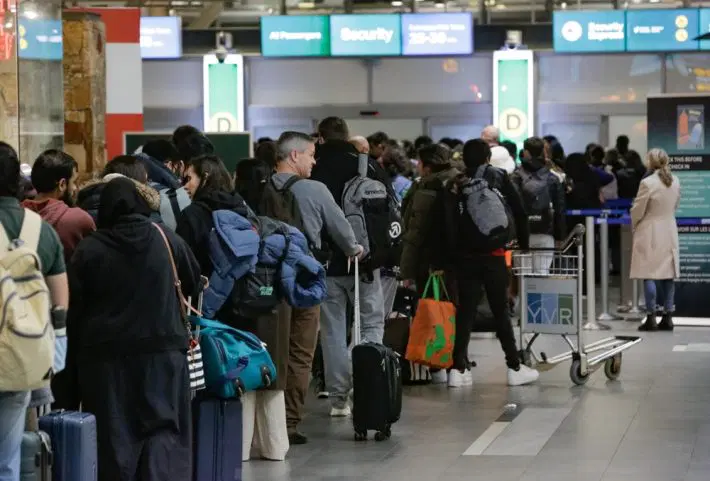
The $100 Barrel Shock: Why Your Next Plane Ticket Could Cost 65% More Than Last Year
(MENAFN- Saving Advice) If you've searched for flights recently and felt sticker shock, you're not alone. Travelers across the U.S. are seeing airfare jump dramatically compared to last year. What's driving this surge isn't just demand-it's a perfect storm of oil prices, global conflict, and airline costs. With oil climbing past $100 per barrel, airlines are facing some of the highest fuel expenses in years. These rising costs are now being passed directly to passengers, making this one of the most expensive travel seasons in recent memory.The $100 Oil Spike Is Fueling Everything
The biggest driver behind soaring airfare is the sudden spike in oil prices. The ongoing conflict in the Middle East has disrupted global supply, pushing crude oil past $100 per barrel and even higher at times. Fuel is one of the largest expenses for airlines, often making up a significant portion of operating costs. When oil prices jump this quickly, airlines have little choice but to react. That reaction almost always shows up in higher ticket prices for travelers.
Jet Fuel Costs Have Nearly DoubledIt's not just crude oil-jet fuel prices have surged at an even faster pace. In some regions, fuel costs have increased by as much as 80–94% compared to recent averages. Airlines are now paying billions more just to keep planes in the air. Even a small increase per gallon can translate into massive additional expenses across thousands of flights. That's why airfare is rising so quickly and aggressively this year.
Airlines Are Passing Costs Directly to TravelersWhen airlines face higher costs, they typically pass them on rather than absorb the hit. This can come in the form of higher base fares, added fees, or fuel surcharges hidden in the ticket price. Some airlines have already increased fares by $50 to nearly $300 per ticket, depending on the route. Others are adding new fuel charges entirely, especially on international flights. The result is that travelers are paying significantly more for the same trips they took last year.
Fewer Flights and Longer Routes Are Driving Prices UpThe conflict has also disrupted global airspace, forcing airlines to reroute flights around restricted regions. This means longer flight paths, higher fuel consumption, and fewer available routes. At the same time, some airlines are cutting flights altogether to manage rising costs. Fewer seats combined with steady demand create a classic supply-and-demand squeeze. When supply drops, and demand stays strong, prices naturally rise-and fast.
Demand Hasn't Slowed Down-And That's a ProblemNormally, high prices would reduce demand, but that hasn't happened this time. Travelers are still booking flights at strong levels, even as prices climb. In fact, some people are rushing to book early, fearing prices will rise even more. This behavior actually fuels the problem, keeping demand high and giving airlines less incentive to lower fares. As long as planes are filling up, ticket prices are unlikely to drop.
Why Some Tickets Could Jump 65% or MoreWhen you combine rising fuel costs, reduced flight availability, and strong demand, you get dramatic price increases. In some cases, travelers are seeing flights that cost $400 last year now priced at $1,500 or more. That kind of jump can easily approach or exceed a 65% increase depending on the route. Long-haul and international flights are being hit the hardest. This is why many experts are warning that airfare could remain elevated throughout the year.
What Travelers Can Do to Avoid OverpayingWhile you can't control oil prices, you can take steps to reduce your travel costs. Booking early is one of the most effective ways to lock in lower fares before prices climb further. Flexibility with dates and destinations can also help you find better deals. Consider alternative airports or shorter routes to avoid the most expensive flights. Experts also recommend setting price alerts and using rewards programs to offset rising costs.
The Travel Reality Check Most People Aren't Ready ForThe days of cheap, last-minute flights may be behind us-at least for now. This surge in airfare isn't a temporary glitch but part of a larger shift driven by global energy markets and geopolitical tension. As long as oil prices remain high, airlines will continue adjusting fares upward. For travelers, this means planning ahead is no longer optional-it's essential. The sooner you adapt, the better chance you have of avoiding the worst of these price hikes.
Have you noticed airfare prices rising lately, and are you changing your travel plans because of it?

Legal Disclaimer:
MENAFN provides the
information “as is” without warranty of any kind. We do not accept
any responsibility or liability for the accuracy, content, images,
videos, licenses, completeness, legality, or reliability of the information
contained in this article. If you have any complaints or copyright
issues related to this article, kindly contact the provider above.
Most popular stories
Market Research

More Story





Comments
No comment