




403
Sorry!!
Error! We're sorry, but the page you were looking for doesn't exist.
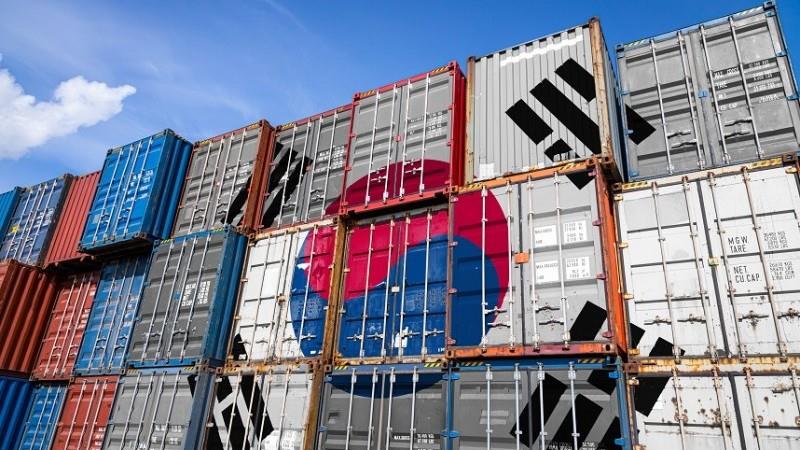
South Korea's Gasoline Price Cap Should Anchor CPI Inflation Near 2%
(MENAFN- ING)
South Korea's first move to cap prices since liberalisation of oil industry in 1997
Last night, South Korea announced a maximum price limit on oil, effective at midnight. This is the first time that such a measure has been introduced since the liberalisation of the oil industry in 1997. Gasoline, diesel, and kerosene prices have now returned to near pre-US-Iran war levels. Premium gasoline was excluded from the reduction. President Lee's government will revisit price dynamics every two weeks. Korea is also establishing a“post-settlement” system to compensate oil refiners for losses due to price controls. It hasn't changed the fuel tax yet. But if oil supply interruptions continue, it will eventually lead to a lower the fuel tax.
Petroleum prices lowered due to the government price cap This measure will keep the CPI inflation anchored near 2% level in the near termSince fuel accounts for 4% of the total CPI basket, this measure will directly affect fuel prices. However, secondary impacts – such as rising logistics and other transportation fees - could add inflationary pressures. The weak USDKRW is likely to have a broader impact on domestic prices. For now, we maintain our revised CPI outlook of 2.2% year-on-year for 2026. But upside risks will increase if the Middle East conflict doesn't show signs of improvement in the near term. Also, if price caps persist for longer and disrupt the market's supply-demand price control dynamics, more significant issues could emerge over time.
Extra budget will be introduced soonTo finance these initiatives and bolster the economy, the government is preparing a supplementary budget of approximately 20 trillion KRW. The additional funds will be drawn from higher-than-anticipated corporate tax revenues and unused earmarked expenditure. At this time, we expect that no further debt issuance will be necessary.
Bank of Korea will show patience amid rising inflationWe believe that the Bank of Korea will stand pat for now. Inflation is expected to rise, but with government support, the increase should be limited. Also, monetary policy reactions to supply-side-driven price shocks are often limited. Thus, the BoK is expected to focus on the impact on growth for now.

Legal Disclaimer:
MENAFN provides the
information “as is” without warranty of any kind. We do not accept
any responsibility or liability for the accuracy, content, images,
videos, licenses, completeness, legality, or reliability of the information
contained in this article. If you have any complaints or copyright
issues related to this article, kindly contact the provider above.
Most popular stories
Market Research

More Story




Comments
No comment