




403
Sorry!!
Error! We're sorry, but the page you were looking for doesn't exist.
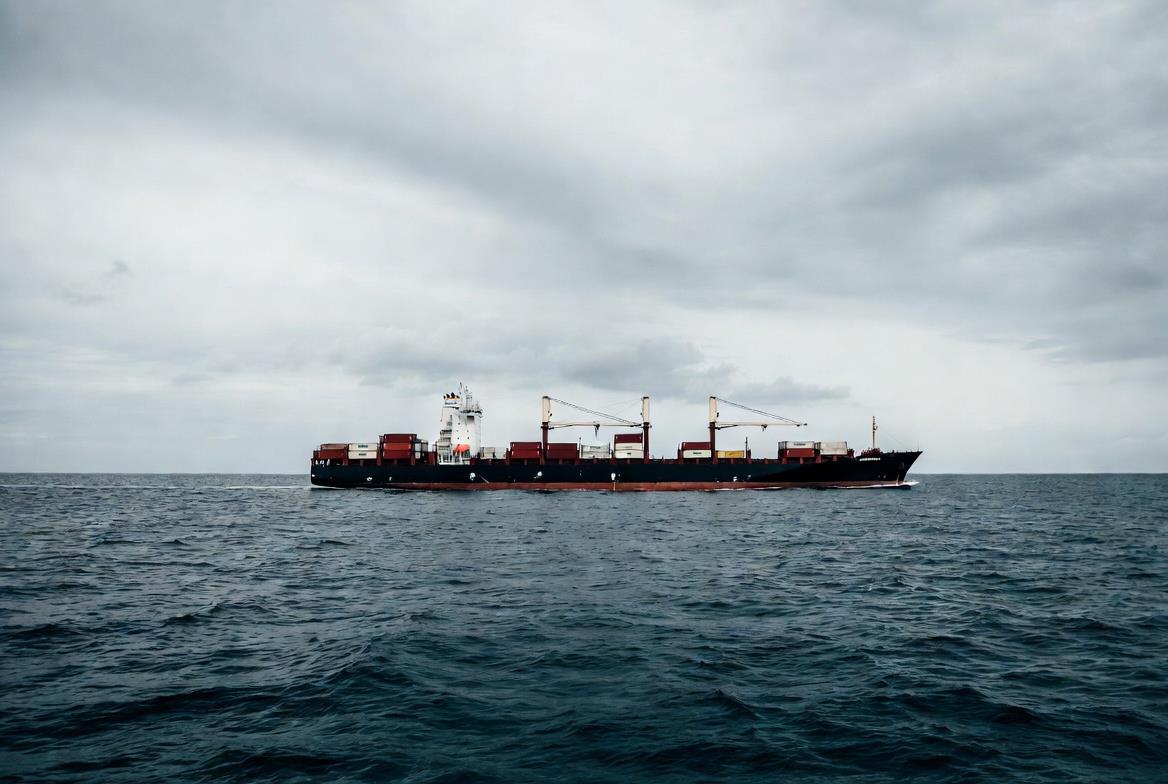
Kazakhstan Eyes Pakistan Ports As Hormuz Crisis Disrupts Iran Route
(MENAFN- Trend News Agency)
BAKU, Azerbaijan,
March 9. Shipping through the
Strait of Hormuz has effectively stopped. For Kazakhstan's
transport strategy, this is a serious problem: the country has lost
a potential direct access to the world ocean. Kazakhstan had
planned to use Iran as a“gateway” to enter markets in Southeast
Asia and Africa. Previously, Iran allocated a land plot to
Kazakhstan at Shahid Rajaei Port in Bandar Abbas. The blockade of
the strait puts this project at an impasse.
Kazakhstan and Iran participate in the eastern branch of the International North–South Transport Corridor, which connects Russia and Central Asian countries with ports in the Persian Gulf and India. Kazakhstan has actively invested in developing this corridor in recent years. In 2024, Iran, Kazakhstan, Russia, and Turkmenistan signed a roadmap for the synchronized development of the eastern branch of the route for 2024–2025. The implementation of measures was expected to increase the corridor's throughput capacity to 15 million tons by 2027 and to 20 million tons by 2030.
The war around Iran is also putting pressure on Kazakhstan's trade relations with the country. The free trade agreement between the Eurasian Economic Union and Iran, which came into force on May 15, 2025, provided Iran with preferential access to 90% of the commodity nomenclature, while tariffs were reduced from 20% to 4.5%. In 2025, trade turnover between Kazakhstan and Iran increased by 26% to reach $43.2 million, which accounts for only 0.3% of the country's total trade. Iran remained an important market for Kazakh grain: in the 2024/2025 marketing year, exports exceeded 1 million tons. Overall, however, Iran's share in Kazakhstan's trade turnover is small.
The main problem is that Kazakhstan relied on Iran for direct access to the ports of the Persian Gulf and the world ocean. If the situation around the Strait of Hormuz is prolonged, the country will have to urgently focus on other routes, and full compensation through new projects will take time.
One alternative is Pakistan. Astana and Islamabad are actively discussing the possibility of Kazakh cargoes accessing Pakistan's seaports – Karachi, Qasim, and Gwadar. These ports are seen not only as a logistical solution for Kazakhstan but also as potential transit hubs for all of Central Asia, providing access to markets in the Persian Gulf, Africa, and Southeast Asia. On May 7, 2025, at a business forum in Karachi, Kazakhstan and Pakistan signed a transit trade agreement, giving the country access to the ports of Karachi and Gwadar. The Ministry of Trade and Integration of Kazakhstan noted that this document lays the foundation for the development of new transport and logistics routes and further strengthening of economic ties between the two countries.
At the same time, Kazakhstan, Turkmenistan, and Afghanistan are holding consultations on the construction of the Turgundi-Herat-Kandahar-Spin-Buldak railway, which will run from the western border of Turkmenistan through Afghanistan to Pakistan and further toward India. The project plans include the creation of capacities for transshipment of grain, containers, and other cargo. The launch of the route is expected to give an additional boost to cargo turnover, including through the Turgundi hub. The Afghan side has declared readiness to ensure the transit of goods from Kazakhstan and Turkmenistan to Pakistan. However, this route also remains risky due to regional tensions.
Another option is the Middle Corridor through the Caspian Sea, Azerbaijan, and Türkiye. Increasing flows through the ports of Aktau and Kuryk could become a priority direction, ensuring the stability of supplies from Kazakhstan. However, the Iranian route had its own features, which are not accessible through the Middle Corridor. It provided direct access to new markets in Southeast Asia and Africa, for which the North–South route was originally developed.
Ultimately, Kazakhstan faces a serious logistical challenge. Alternatives via Pakistan and the Middle Corridor cannot, in the short term, compensate for the loss of Iran's“window to the ocean.” It is now particularly important to actively develop the Middle Corridor through the Caspian, expand cooperation with Pakistan, and integrate with Asian and European logistics systems. This will require time and significant infrastructure investments, but developing transit corridors will allow Kazakhstan not only to minimize risks associated with dependence on Iran but also to strengthen its position in global trade.

Legal Disclaimer:
MENAFN provides the
information “as is” without warranty of any kind. We do not accept
any responsibility or liability for the accuracy, content, images,
videos, licenses, completeness, legality, or reliability of the information
contained in this article. If you have any complaints or copyright
issues related to this article, kindly contact the provider above.
Most popular stories
Market Research

More Story







Comments
No comment