








403
Sorry!!
Error! We're sorry, but the page you were looking for doesn't exist.
Signs Your Garden Has A Drainage Problem
(MENAFN- Frugal Gardening) Image source: Unsplash
A gorgeous garden demands more than sunshine, fertilizer, and a weekend with a shovel. Water controls everything beneath the surface. When that water lingers too long, roots suffocate, soil structure collapses, and once-thriving plants start a slow decline that frustrates even experienced gardeners.
Drainage problems rarely reveal themselves with flashing warning lights, yet the garden always sends signals. Anyone who understands those signals gains the power to protect plants, rescue struggling landscapes, and turn soggy soil into healthy ground that supports vibrant growth.
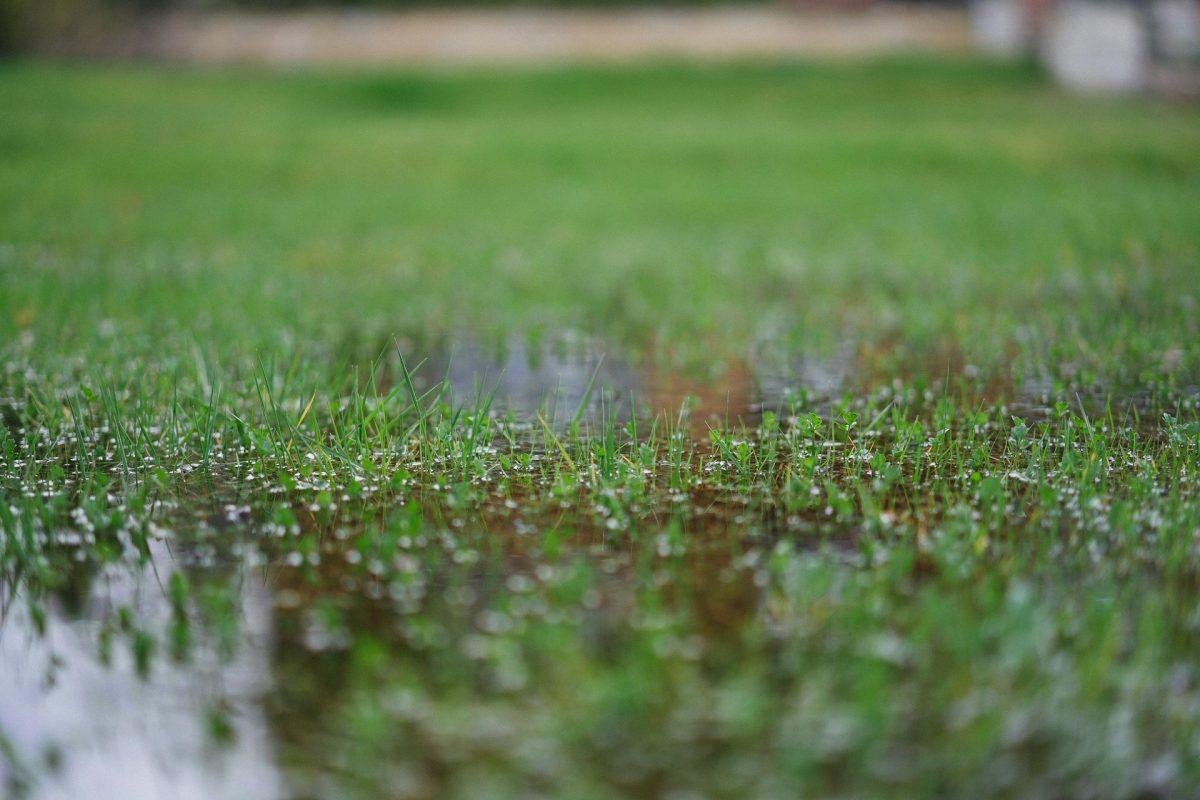
Puddles That Refuse to LeaveStanding water tells one of the clearest stories a garden can offer. After a rainfall or a heavy watering session, small puddles often appear across lawns and beds. That alone raises no alarm. Trouble begins when those puddles linger long after the sky clears and the sun returns. Water should move through healthy soil at a steady pace. Sandy soils drain quickly, while clay-heavy soils hold moisture longer, but even dense soil eventually absorbs water. When puddles stay for hours or even days, the ground underneath struggles to move water downward or outward.
Persistent puddles often point toward compacted soil, heavy clay content, or a subtle slope that directs water toward one unlucky corner of the yard. Plants growing in those zones face constant root stress because roots require oxygen as much as water. Gardeners who notice stubborn puddles should test the soil structure, loosen compacted ground, or consider simple grading adjustments that guide water away from vulnerable areas.
Plants That Look Miserable Despite Plenty of WaterHealthy plants drink steadily from soil that contains both moisture and air pockets. Poor drainage disrupts that balance immediately. Roots sit in saturated soil, oxygen levels drop, and the entire plant begins to struggle. Yellowing leaves often appear first. Many gardeners interpret yellow leaves as thirst or nutrient deficiency, which leads to more watering or extra fertilizer. That reaction often worsens the problem because roots are already drowned in excess moisture. Plants under drainage stress also develop stunted growth, drooping stems, and leaves that drop earlier than expected.
Certain plants show this stress faster than others. Vegetables, herbs, and flowering annuals react quickly when soggy soil surrounds their roots. Trees and shrubs show slower symptoms, yet prolonged saturation can eventually cause root rot and long-term damage. Anyone who notices struggling plants in consistently wet soil should investigate drainage before reaching for more water or fertilizer.
Soil That Feels Like Sticky Clay After RainSoil texture reveals a lot about how water behaves in a garden. Grab a handful of wet soil after rainfall and squeeze it gently. Healthy soil crumbles loosely in the hand. Poorly draining soil often sticks together in a dense, heavy clump that holds its shape like modeling clay. Clay-heavy soil traps water between tightly packed particles. That dense structure slows water movement and leaves roots surrounded by moisture for long stretches of time. While clay soil can support healthy gardens with proper management, untreated clay soil often leads straight to drainage headaches.
Gardeners can improve clay soil through organic matter such as compost, shredded leaves, or aged mulch. Organic material creates space between soil particles and allows water to move more freely. Raised beds also provide a reliable solution because elevated soil encourages gravity to pull water away from plant roots.
Moss, Algae, and Unwanted Green GuestsA lush carpet of moss might look charming in a woodland setting, but moss thriving in the middle of a lawn often signals drainage trouble. Moss loves damp, shaded conditions where water lingers near the surface. The same conditions discourage grass roots and many garden plants. Algae sometimes joins the party when excess moisture collects on soil or hard surfaces. Green or slimy patches on pathways, stones, or bare soil often develop after repeated cycles of saturation. That growth signals prolonged surface moisture and poor evaporation.
While shade can encourage moss growth, soggy soil often drives the real problem. Improving drainage through aeration, soil amendments, or small drainage channels often reduces the damp environment moss prefers. As soil conditions improve, grass and garden plants regain strength and compete more effectively against those moisture-loving invaders.
Mulch That Floats Away or Shifts ConstantlyMulch plays an essential role in garden health. It protects soil, regulates temperature, and helps retain the right amount of moisture. When drainage problems enter the picture, mulch begins to behave strangely. Heavy rain or irrigation may push mulch across garden beds, leaving bare patches around plant stems while thick piles collect along edges. That movement signals water flow across the surface instead of proper absorption into the soil.
Consistent mulch displacement often indicates soil compaction or poor grading. Water travels across the bed rather than downward, carrying lightweight materials along its path. Gardeners who notice shifting mulch should inspect the slope of the bed and break up compacted soil beneath the surface. Even small improvements in soil structure can redirect water into the ground where plants need it most.
A Lawn That Feels Spongy UnderfootA quick walk across the lawn sometimes reveals a drainage issue faster than any soil test. Grass growing in poorly drained soil often creates a soft, spongy feeling underfoot, especially after rain. Healthy lawns rest on firm ground where roots anchor into well-drained soil. Saturated soil loses structure and turns soft, which allows footsteps to leave slight depressions or squishy impressions. That condition may not seem serious at first, yet constant saturation weakens the grass roots and encourages fungal diseases.
Aeration offers one of the simplest solutions for lawns that hold too much water. A core aerator removes small plugs of soil and creates channels where air, water, and nutrients can move more freely. Combined with proper soil care and occasional topdressing with compost, aeration can dramatically improve drainage across many lawns.
Image source: Unsplash
When the Ground Finally Works With the GardenA thriving garden begins below ground level. Balanced drainage allows soil to hold the right amount of moisture while still delivering oxygen to plant roots. Plants respond with stronger growth, deeper roots, and better resistance to pests and disease.
Every garden tells its own story through puddles, soil texture, plant health, and even the feel of the lawn underfoot. Paying attention to those clues transforms guesswork into smart action that keeps landscapes healthy and productive.
What signs have appeared in your garden that made you suspect a drainage problem? And, more importantly, how did you address them? Let's chat about it below in the comments.

Legal Disclaimer:
MENAFN provides the
information “as is” without warranty of any kind. We do not accept
any responsibility or liability for the accuracy, content, images,
videos, licenses, completeness, legality, or reliability of the information
contained in this article. If you have any complaints or copyright
issues related to this article, kindly contact the provider above.
Most popular stories
Market Research

More Story








Comments
No comment