




403
Sorry!!
Error! We're sorry, but the page you were looking for doesn't exist.
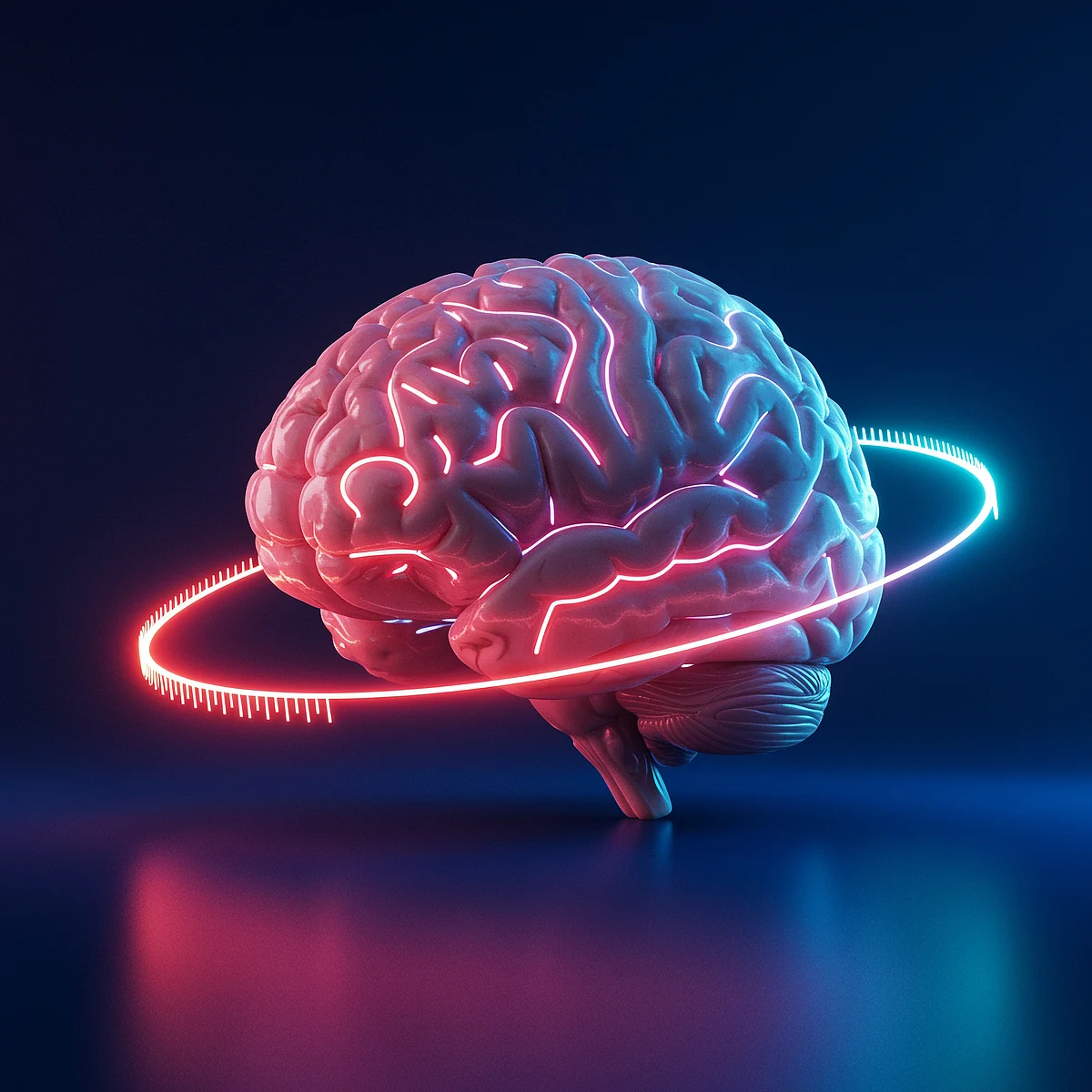
How LED Lighting Affects Sleep And Overall Brain Health
(MENAFN- Khaleej Times) Understanding blue light exposure can help balance energy efficiency, sleep quality and sustainable living
source on Google
- PUBLISHED: Thu 26 Feb 2026, 2:42 PM
- By: Prof. Dr. Abdalla Belhaif Al Nuaimi
source on Google
- Share:
LED lighting has rapidly become the dominant source of illumination worldwide, accounting for more than 55 per cent of residential and commercial lighting in 2023. Its appeal lies in its remarkable energy efficiency, reducing electricity consumption by up to 70 per cent compared to traditional bulbs. Yet, as LED use has grown, so has public debate - especially on social media - about the effects of blue light on the brain. Much of this discussion, however, lacks scientific accuracy.
Across the world - and particularly in the UAE - the shift towards sustainable energy practices has become a defining feature of modern life. Lighting plays a central role in this transition. LED lamps, now common in homes, offices, and public spaces, offer clear environmental advantages. But their widespread use also raises questions about how artificial light interacts with the human brain.
Recommended For YouLEDs emit a spectrum rich in blue wavelengths (450–495 nm), which directly influence the body's internal clock. While LEDs are not harmful in themselves, their biological effects depend on intensity, duration, timing, and spectral composition. Studies show that nighttime exposure to blue light at levels as low as 30-50 lux can suppress melatonin by up to 50 per cent. Understanding these effects is essential for adopting lighting habits that are both healthy and sustainable.
The brain's master clock - the suprachiasmatic nucleus (SCN) - is highly sensitive to blue light. Exposure suppresses melatonin and increases alertness. Research has shown that blue light around 460 nm is particularly potent. When circadian rhythms are disrupted, risks of insomnia, mood disorders, and metabolic imbalance increase.
Cognitive EffectsDaytime exposure to blue light can enhance attention, reaction speed, and working memory by 10–20 per cent. But nighttime exposure tells a different story: reduced deep sleep, impaired next‐day performance, and increased fatigue
Potential RisksDeep sleep is essential for the brain's glymphatic system - a natural cleansing mechanism that becomes 60 per cent more active during sleep. Poor sleep allows neurotoxic proteins such as beta‐amyloid to accumulate. Blue light‐induced melatonin suppression may, therefore, indirectly increase long‐term neurological risk.
Retinal StressAnimal studies suggest that prolonged exposure to high‐intensity blue light may cause oxidative stress in retinal cells. Human evidence remains limited and inconclusive.
Flicker and Electromagnetic FieldsModern LEDs operate at high frequencies that minimise flicker, while fluorescent lamps often flicker at 100–120 Hz, causing discomfort for sensitive individuals. Electromagnetic emissions from both technologies remain within international safety limits.
Healthy Lighting Habits. Reduce screen brightness after 9pm
. Use blue‐light filters
. Avoid bright lighting in bedrooms
Sustainable ChoicesThere is no evidence that LED lighting directly harms the brain. However, blue light can influence circadian rhythms, melatonin levels, sleep quality, and cognitive performance - especially when exposure occurs at night. Fluorescent lamps may also affect visual comfort due to flicker, while halogen lamps are not energy‐efficient.
Smartphone screens have become one of the most significant sources of blue‐light exposure. Just 30 minutes of nighttime screen use can suppress melatonin by 20-50 per cent, delaying sleep and reducing its restorative quality.
From a sustainability perspective, conscious lighting choices benefit both human well‐being and the environment. Sustainable lighting behaviour is not a technical choice - it protects both the planet and the mind.
ALSO READ- UAE: Early smartphone use tied to mental health issues in kids as young as 8, study finds Always feeling tired? Nearly 30% of adults in UAE are sleep deprived, study shows

Legal Disclaimer:
MENAFN provides the
information “as is” without warranty of any kind. We do not accept
any responsibility or liability for the accuracy, content, images,
videos, licenses, completeness, legality, or reliability of the information
contained in this article. If you have any complaints or copyright
issues related to this article, kindly contact the provider above.
Most popular stories
Market Research

More Story








Comments
No comment