



403
Sorry!!
Error! We're sorry, but the page you were looking for doesn't exist.
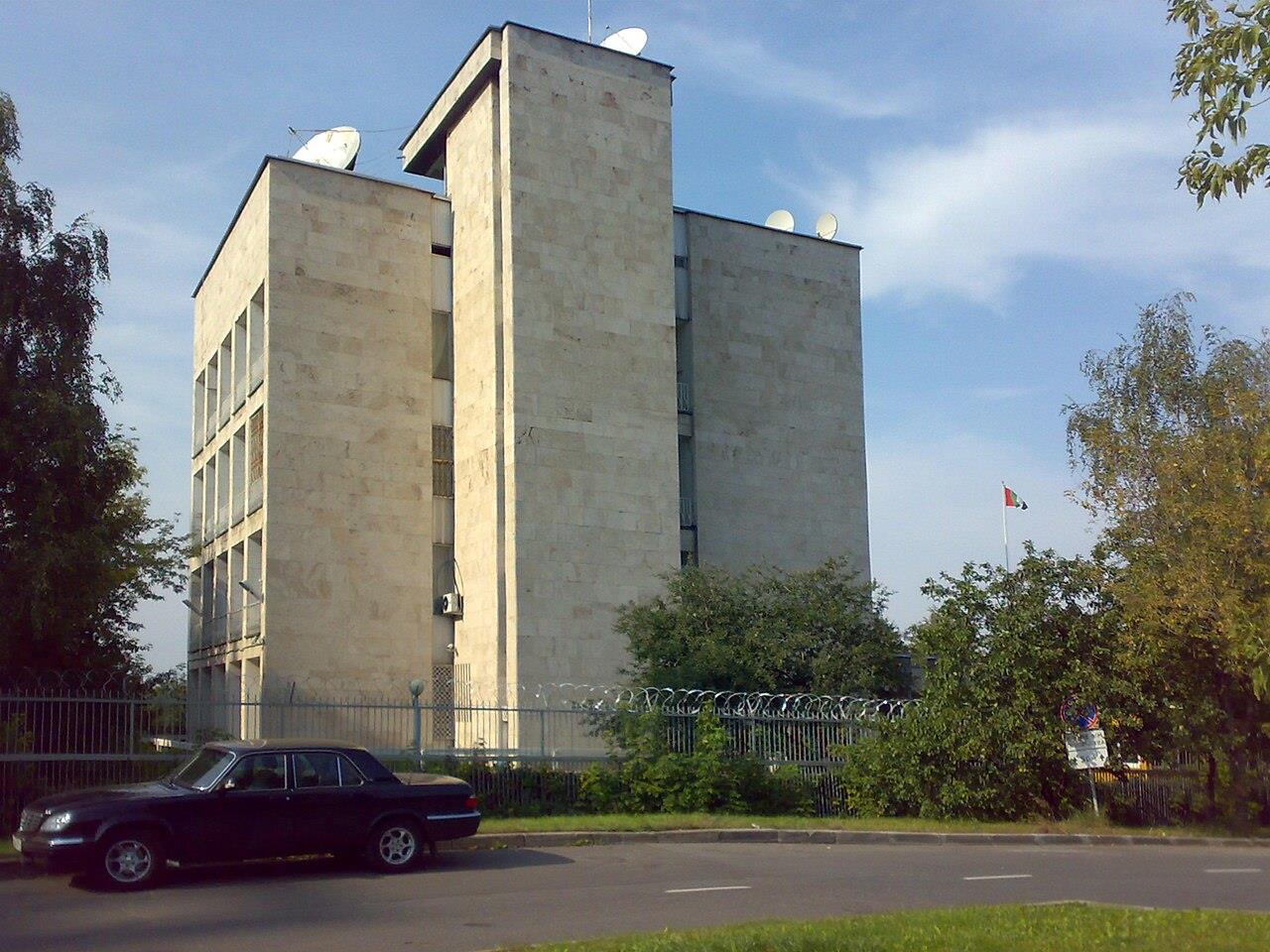
UAE President's Moscow Visit Signals Strategic Engagement
(MENAFN- The Arabian Post)

Sheikh Mohamed bin Zayed Al Nahyan, President of the United Arab Emirates, arrived in Moscow on an official visit to the Russian Federation, underscoring a phase of high-level engagement between Abu Dhabi and Moscow as both sides seek to broaden cooperation across energy, trade, technology and geopolitics. As the presidential aircraft entered Russian airspace, a formation of military jets escorted it in a ceremonial welcome, a gesture signalling the importance Moscow attaches to the visit and the standing accorded to the UAE leader.
The visit comes at a time when the UAE has positioned itself as a pragmatic interlocutor with major powers, maintaining open channels with Washington, Beijing, Brussels and Moscow while advancing a foreign policy built on economic diplomacy and de-escalation. Russian officials framed the arrival as an opportunity to deepen a relationship that has expanded steadily over the past decade, marked by coordination in energy markets, growing investment ties and diplomatic engagement on regional issues in the Middle East, Africa and Eurasia.
Discussions are expected to centre on energy cooperation, particularly within the framework of OPEC+, where the UAE and Russia have coordinated production policy alongside other major producers. Both countries have emphasised market stability and long-term investment in capacity, a shared stance that has often aligned them despite volatility in global prices. Senior figures on both sides have previously highlighted the role of sovereign investment vehicles in underpinning the relationship, with Emirati funds maintaining exposure to Russian projects and Russian capital seeking opportunities in the Gulf.
Trade and investment form another pillar of the agenda. Bilateral trade has grown from a modest base to several billion dollars annually, spanning hydrocarbons, petrochemicals, metals, agriculture and high-value services. Emirati logistics firms have expanded operations across Eurasian corridors, while Russian exporters have used Gulf hubs to reach markets in Asia, Africa and the Middle East. Officials have pointed to the potential for further growth through streamlined customs procedures, expanded use of national currencies and cooperation in transport infrastructure.
See also UAE overhauls capital market laws to boost regulatory strengthTechnology and advanced industries are also in focus. The UAE has invested heavily in artificial intelligence, space, clean energy and advanced manufacturing, areas where Russian research capacity and industrial know-how offer scope for collaboration. Joint ventures and research partnerships have been discussed in past meetings, with an emphasis on commercialisation and civilian applications. Space cooperation, including satellite development and launch services, has featured in earlier exchanges and remains an area of mutual interest.
The ceremonial escort over Russian airspace carried symbolic weight beyond protocol. Such displays are typically reserved for visits judged to have strategic significance, reflecting Moscow's desire to project continuity in its international partnerships. For Abu Dhabi, the optics reinforced its approach of engaging major powers on the basis of mutual respect while safeguarding its own strategic autonomy.
Regional and international issues are expected to be addressed alongside economic themes. The UAE has played an active diplomatic role in mediation efforts and humanitarian initiatives, while Russia remains a key actor in several theatres affecting Middle Eastern security. Conversations are likely to touch on conflict de-escalation, humanitarian access and the importance of dialogue in managing regional tensions. Both sides have previously emphasised respect for sovereignty and international law, even as they approach specific conflicts from different perspectives.
Analysts note that the visit reflects a broader recalibration in global diplomacy, with middle powers such as the UAE leveraging economic strength and diplomatic credibility to engage across geopolitical divides. Abu Dhabi's leadership has consistently argued that diversified partnerships enhance resilience in an uncertain global environment, a view echoed by business leaders who see value in maintaining multiple channels for trade and investment.
See also DAE lines up seven-year dollar bond saleWithin the UAE, the visit has been presented as part of a wider strategy to secure long-term economic opportunities and reinforce the country's role as a bridge between regions. Moscow, for its part, views the relationship as a conduit to markets and capital at a time when traditional economic links face constraints. The alignment is pragmatic rather than ideological, rooted in shared interests and a willingness to compartmentalise differences.
Notice an issue? Arabian Post strives to deliver the most accurate and reliable information to its readers. If you believe you have identified an error or inconsistency in this article, please don't hesitate to contact our editorial team at editor[at]thearabianpost[dot]com. We are committed to promptly addressing any concerns and ensuring the highest level of journalistic integrity.

Legal Disclaimer:
MENAFN provides the
information “as is” without warranty of any kind. We do not accept
any responsibility or liability for the accuracy, content, images,
videos, licenses, completeness, legality, or reliability of the information
contained in this article. If you have any complaints or copyright
issues related to this article, kindly contact the provider above.
Most popular stories
Market Research

More Story






Comments
No comment