




403
Sorry!!
Error! We're sorry, but the page you were looking for doesn't exist.
Are Dust Storms From Western India Causing Respiratory, Skin Diseases In Eastern Himalayas? Study Reveals Troubling Link
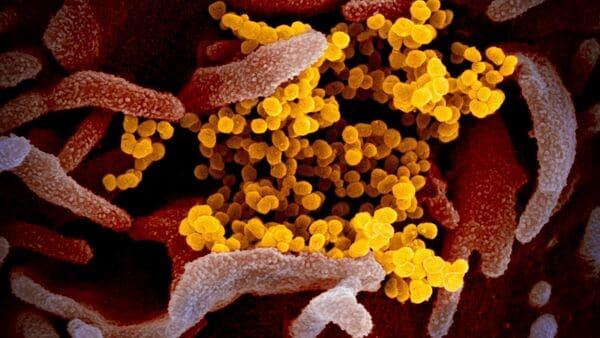
(MENAFN- Live Mint) The findings of a new research suggest the presence of airborne pathogens in the hills of Eastern Himalayas, linked with respiratory and skin diseases. Ministry of Science & Technology on Wednesday in a press release warned against the adverse health impact of desert bacteria.
Posing serious public health risks, the research conducted by Bose Institute observed that powerful dust storms can travel hundreds of kilometres. A deep dive study of transboundary dust transport indicates that these dust particles cross densely populated and polluted Indo-Gangetic Plain before finally settling over Himalayan hilltops.
Also Read | Nipah virus: Airports across Asia begin screening after cases detected in BengalAcademicians of Department of Science and Technology (DST) monitored dust storms for over two years before arriving at conclusions. The findings published in the journal "Science of the Total Environment” indicate the perturbation of atmospheric bacterial community over Himalayas. Horizontal long-range dust transport and vertical uplifting of foothill air pollution cause this phenomenon. The study demonstrates direct implications of airborne microbial exposure on public health.
Also Read | Woman injects HIV virus on ex-lover's wife in Andhra, four heldSince vertical uplift injects locally sourced pathogens into high-altitude atmosphere, transported pathogens mix with long-range travellers arriving from afar. Hence, dust storms reshape bacterial communities above the Himalayas and contribute to gastrointestinal infections as well, in addition to respiratory and skin diseases.
Another journal published by Weizmann Institute of Science titled,“Dust storm-driven dispersal of potential pathogens and antibiotic resistance genes in the Eastern Mediterranean” reveals similar findings. The study focussed on 13 dusty days originating from Middle Eastern sources states,“Using metagenomic analysis, we identified several facultative pathogens like Klebsiella pneumoniae, Stenotrophomonas maltophilia, and Aspergillus fumigatus, which are linked to human respiratory diseases, and others like Zymoseptoria tritici, Fusarium poae, and Puccinia striiformis, which are harmful to wheat. The abundance of these pathogens increased during dust storms and with rising temperatures.”
Also Read | Viral fear: Why a Chinese polio virus rang alarm bells in IndiaCovering the Saharan Desert, Iraq, Iran, and Saudi Arabia, and 32 clear days, with temperatures ranging from 16.5 to 27.1 degrees Celsius, the study further noted that dust storms transported nearly 125 times more total antibiotic resistance genes compared to clear conditions. However, researchers could not establish“strong evidence that these species harbored antibiotic resistance or virulence-related genes, which could be linked to their pathogenic potential."

Legal Disclaimer:
MENAFN provides the
information “as is” without warranty of any kind. We do not accept
any responsibility or liability for the accuracy, content, images,
videos, licenses, completeness, legality, or reliability of the information
contained in this article. If you have any complaints or copyright
issues related to this article, kindly contact the provider above.
Most popular stories
Market Research

More Story







Comments
No comment