







403
Sorry!!
Error! We're sorry, but the page you were looking for doesn't exist.
Why Is It Snowing Less In Srinagar?
(MENAFN- Kashmir Observer) By Haris Mashooq Zia
ADVERTISEMENT
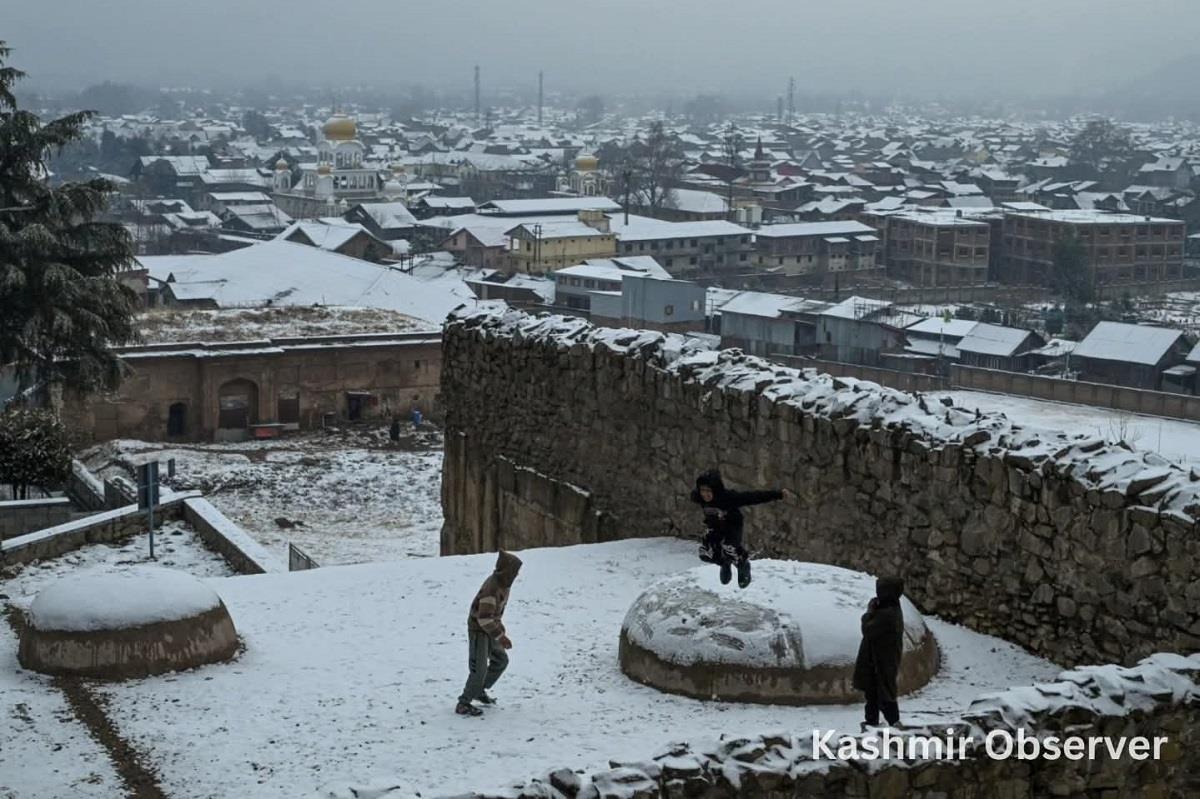
Major parts of Kashmir were recently covered in thick blankets of snow. In the countryside, snow sculpture contests drew crowds, reviving traditional snow fights and winter adventure. Tourists chased postcard-perfect photographs as they moved through frozen villages. Rivers slowed as heavy sheets of ice formed across their surface.
ADVERTISEMENT
Srinagar, in contrast, remained almost dry.
City streets stayed bare, and rooftops were clear. Social media filled up with jokes and memes, poking fun at a city famous for its winters suddenly missing its snow.
The contrast was striking, pushing one question to the fore: why is Srinagar missing the snow that surrounds it?
The answer lies in a mix of local factors that have gradually changed the city's winter climate and culture.
Rapid urbanization has transformed the cityscape, replacing trees, wetlands, and open spaces with concrete buildings and asphalt roads.
These materials trap heat and radiate it back into the environment, raising ground temperatures and preventing snow from settling.
When snow does fall, it disappears within hours, leaving residents with brief glimpses instead of the lasting winters they remember.
Pollution intensifies this effect.
ADVERTISEMENTEmissions from petrol and diesel vehicles, factories, and coal-powered brick kilns trap heat in the atmosphere, increasing local temperatures.
A rise of even one or two degrees in winter can decide whether precipitation falls as snow or rain.
In Srinagar, this subtle warming turns what should be snowfall into rain, and any snow that does arrive melts almost immediately.
Deforestation around the city has weakened natural barriers against warming.
The Zabarwan range, once a cooling shield, has lost many of its forests, reducing its ability to stabilize moisture and regulate local weather.
Without these natural buffers, the city becomes more vulnerable to warming, and snowfall declines further.
But beyond the current climate crisis, Srinagar's winters once featured long-lasting snow on rooftops, streets lined with icicles known locally as shishar gaant, and children playing in drifts that defined everyday life.
These scenes are now rare, and each passing year reduces the city's connection to the winters that gave it character and identity.

Legal Disclaimer:
MENAFN provides the
information “as is” without warranty of any kind. We do not accept
any responsibility or liability for the accuracy, content, images,
videos, licenses, completeness, legality, or reliability of the information
contained in this article. If you have any complaints or copyright
issues related to this article, kindly contact the provider above.
Most popular stories
Market Research

More Story





Comments
No comment