







403
Sorry!!
Error! We're sorry, but the page you were looking for doesn't exist.
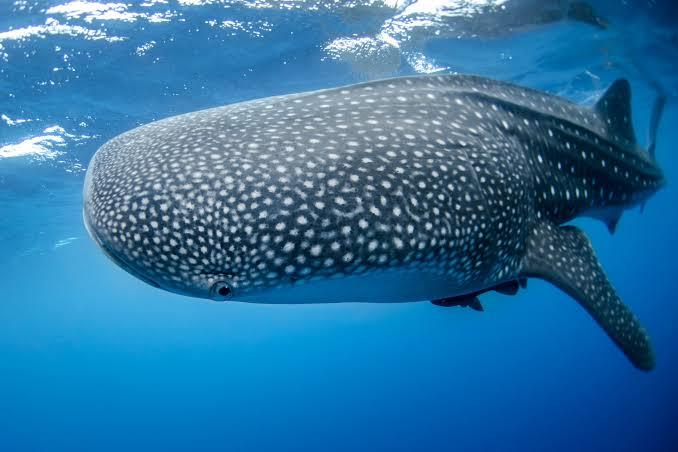
Protecting Marine Ecosystems: Panama Shark Export Ban -
(MENAFN- Newsroom Panama)
Panama makes history with a new Panama shark export ban designed to fight the overexploitation of marine resources. This move strengthens marine biodiversity conservation and ensures that CITES protected species are shielded from the pressures of the global market. The Republic of Panama has recently implemented a landmark Panama shark export ban. This decisive action aims to curb the overexploitation of marine resources that has threatened several species for decades. By stopping the commercial outflow of these apex predators, the government is taking a significant step toward ecological restoration. This shark trade restriction is not just a local policy but a signal to the global community about the importance of safeguarding our oceans.
Enhancing Marine Biodiversity Conservation
The primary driver behind this initiative is marine biodiversity conservation. Sharks play a critical role in maintaining the health of coral reefs and seagrass beds. When shark populations decline due to excessive fishing pressure, the entire food web suffers. Consequently, this ocean life protection strategy ensures that Panama's waters remain vibrant and resilient against environmental changes. Furthermore, the ban focuses on CITES protected species, such as the hammerhead and silky sharks. These endangered marine wildlife populations have seen a drastic reduction in numbers. By aligning national laws with international treaties, Panama reinforces its commitment to globally regulated species, ensuring that these magnificent creatures do not face extinction due to international market demands.
Transitioning to Sustainable Fishing Practices
This historic measure also encourages a shift toward sustainable fishing practices. While the export of certain products is now prohibited, the government is working with local communities to promote responsible harvesting. By moving away from the depletion of sea life, the local economy can find new opportunities in eco-tourism and eco-friendly fishery management. Moreover, the Panama shark protection effort includes increased surveillance in protected maritime zones. Authorities are utilizing advanced satellite tracking to monitor fishing fleets and prevent illegal activities. Therefore, the ban on shark exports is supported by a robust framework of enforcement and education, making it a comprehensive approach to environmental stewardship.
Long-term Impact on Regional Stability
In conclusion, the Panama shark export ban represents a shift in how the nation values its natural wealth. The focus on aquatic ecosystem preservation will yield long-term benefits for the fishing industry itself by allowing stocks to replenish. As Panama continues to champion marine biodiversity conservation, it sets a powerful example for other nations in the region. Through international cooperation and domestic resolve, the future of Panama's maritime heritage looks more secure than ever.

Legal Disclaimer:
MENAFN provides the
information “as is” without warranty of any kind. We do not accept
any responsibility or liability for the accuracy, content, images,
videos, licenses, completeness, legality, or reliability of the information
contained in this article. If you have any complaints or copyright
issues related to this article, kindly contact the provider above.
Most popular stories
Market Research

More Story








Comments
No comment