




403
Sorry!!
Error! We're sorry, but the page you were looking for doesn't exist.
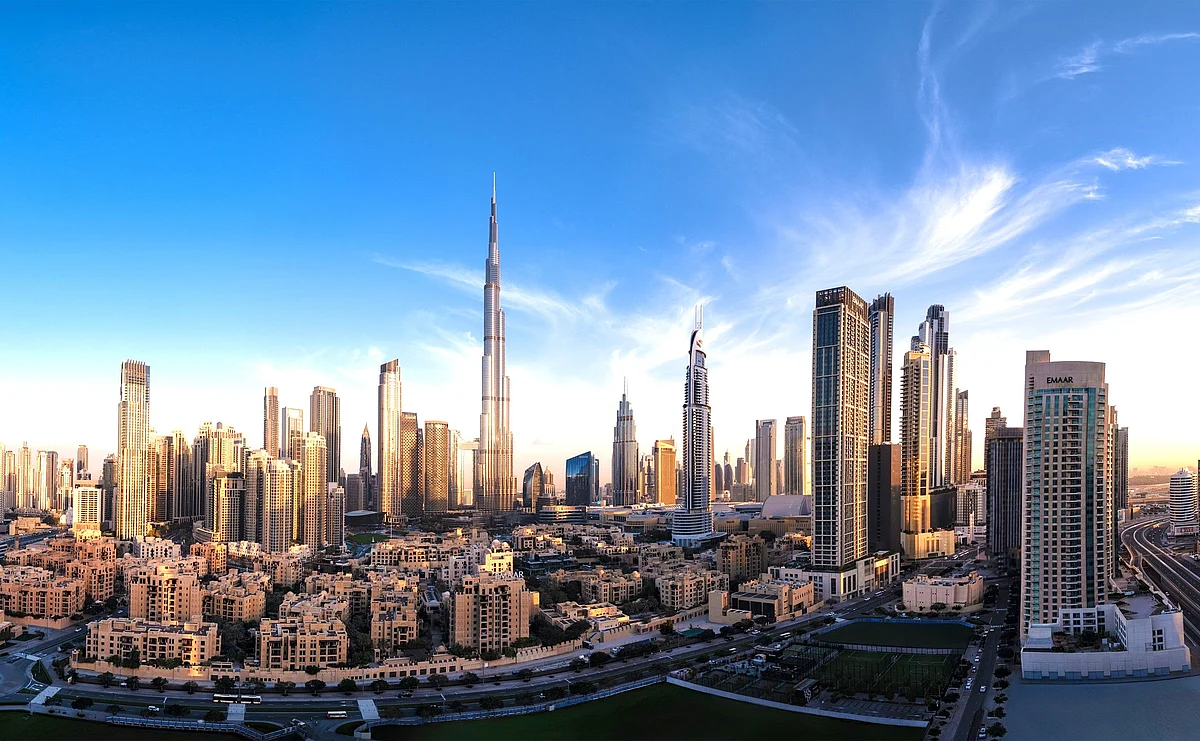
Dubai Real Estate Growth Endures As Market Shifts From Surge To Stability
(MENAFN- Khaleej Times)
Dubai's real estate market is entering 2026 on a firm footing, but with a noticeably different rhythm from the blistering growth of recent years, a report showed on Wednesday.
After an extended upswing driven by post‐pandemic migration, capital inflows and investor optimism, the year ahead is expected to mark a phase of normalisation rather than reversal, according to ValuStrat's Dubai Market Outlook 2026.
Recommended For You“Dubai's real estate market enters 2026 with strong fundamentals, shaped by robust macroeconomic performance, demographic growth, and strategic infrastructure investments,” said Haider Tuaima, Managing Director and Head of Real Estate Research at ValuStrat.
The emirate's economy is forecast to grow by around 5 per cent in 2026, supported by resilient non‐oil sectors including tourism, construction, financial services and real estate. Inflation is expected to remain modest at about 1.6–2 per cent, helping preserve purchasing power and investor confidence. At the same time, Dubai's resident population is projected to reach 4.7 million by year‐end, with peak‐hour population levels climbing towards 6.5 million, reinforcing long‐term demand for housing, offices and urban infrastructure.
Residential market cools, but remains resilient
After recording capital gains of nearly 20 per cent in 2025, Dubai's residential market is expected to slow to a still‐healthy 10 per cent growth rate in 2026. The deceleration reflects pricing ceilings being tested in some segments, fewer off‐plan launches and a more cautious investor stance after several years of rapid appreciation.
Yet the moderation masks sharp divergence within the market.
Villas and townhouses are expected to continue outperforming apartments, with prices forecast to rise 17.7 per cent, compared with 7.4 per cent for apartments. The imbalance reflects a persistent shortage of single‐family homes, which account for less than 20 per cent of total residential stock, combined with lifestyle shifts that have favoured larger living spaces since the pandemic.
“Demand remains strongest for single‐family homes,” Tuaima noted, adding that some villa communities have seen values triple or even quadruple since 2020. That scarcity dynamic is unlikely to be resolved quickly, despite a record residential supply pipeline nominally estimated at 131,234 units in 2026 - more than four‐fifths of which are apartments.
ValuStrat cautions that actual completions are likely to fall short of headline figures, as construction delays continue to affect delivery timelines across the market. Meanwhile, rental growth is expected to flatten at around 0 per cent, signalling that affordability thresholds have been reached in many established communities.
Office market remains one of the strongest globally
If residential is cooling, Dubai's office sector remains red‐hot by international standards. Demand continues to be driven by corporate expansions, new regional headquarters, free‐zone registrations and an influx of global talent positioning Dubai as a gateway between Asia, Europe and Africa.
Capital values and rents in the office market are forecast to grow by around 15 per cent in 2026, moderating from 2025 but still exceptional relative to mature global cities. Prime Grade A offices are expected to outperform once again, as supply remains tight in key locations such as DIFC, Downtown Dubai and business clusters along Sheikh Zayed Road.
Approximately 1.65 million square feet of new office space is scheduled for delivery during the year, bringing total stock close to 107 million square feet. However, demand is expected to absorb much of the new supply, keeping occupancy levels high and reinforcing Dubai's credentials as one of the most dynamic commercial property markets worldwide.
Hospitality expands as tourism engine stays strong
Dubai's hospitality sector is also poised for another solid year, underpinned by expanding air connectivity, a growing events calendar and continued investment in high‐end tourism assets. The emirate is set to rank among cities with the highest number of hotel keys globally, with nearly 4,000 new keys expected to be added in 2026.
Average occupancy is projected at 78 per cent, supported by seasonal travel patterns and the timing of Ramadan during cooler months - typically a challenge period for hot‐weather destinations. New openings, including luxury brands on Palm Jumeirah and Dubai Islands, reinforce the city's strategy of anchoring growth in premium and upper‐midscale segments.
Four‐ and five‐star hotels are expected to dominate upcoming supply, while affordable and mid‐scale properties continue to rely heavily on domestic and regional guests for occupancy and revenue stability.
Industrial strength, retail challenges
Beyond the headline sectors, industrial and logistics real estate is expected to remain one of Dubai's tightest markets, with demand outpacing supply amid e‐commerce growth and trade realignments. Infrastructure spending - nearly half of Dubai's Dh302.7 billion three‐year budget - is set to further support the sector, particularly through transport and logistics upgrades.
Retail, by contrast, faces ongoing structural pressure. While major malls continue to expand and attract footfall, rising e‐commerce penetration is expected to keep downward pressure on rents in secondary locations.
A market maturing, not stalling
Taken together, Dubai's 2026 outlook points to a market transitioning from momentum‐driven growth to maturity. Price appreciation is becoming more selective, investors are more discerning, and sector‐specific fundamentals matter more than broad sentiment.
“These trends underscore Dubai's resilience and its positioning as a global hub for trade, tourism and investment,” Tuaima said.
For investors and occupiers, 2026 may be less about chasing rapid gains - and more about identifying quality, location and long‐term fundamentals in a market that continues to evolve rather than overheat.

Legal Disclaimer:
MENAFN provides the
information “as is” without warranty of any kind. We do not accept
any responsibility or liability for the accuracy, content, images,
videos, licenses, completeness, legality, or reliability of the information
contained in this article. If you have any complaints or copyright
issues related to this article, kindly contact the provider above.
Most popular stories
Market Research

More Story






Comments
No comment