




403
Sorry!!
Error! We're sorry, but the page you were looking for doesn't exist.

Motorola Sets Out Foldable And AI Push
(MENAFN- The Arabian Post)
Arabian Post Staff -Dubai
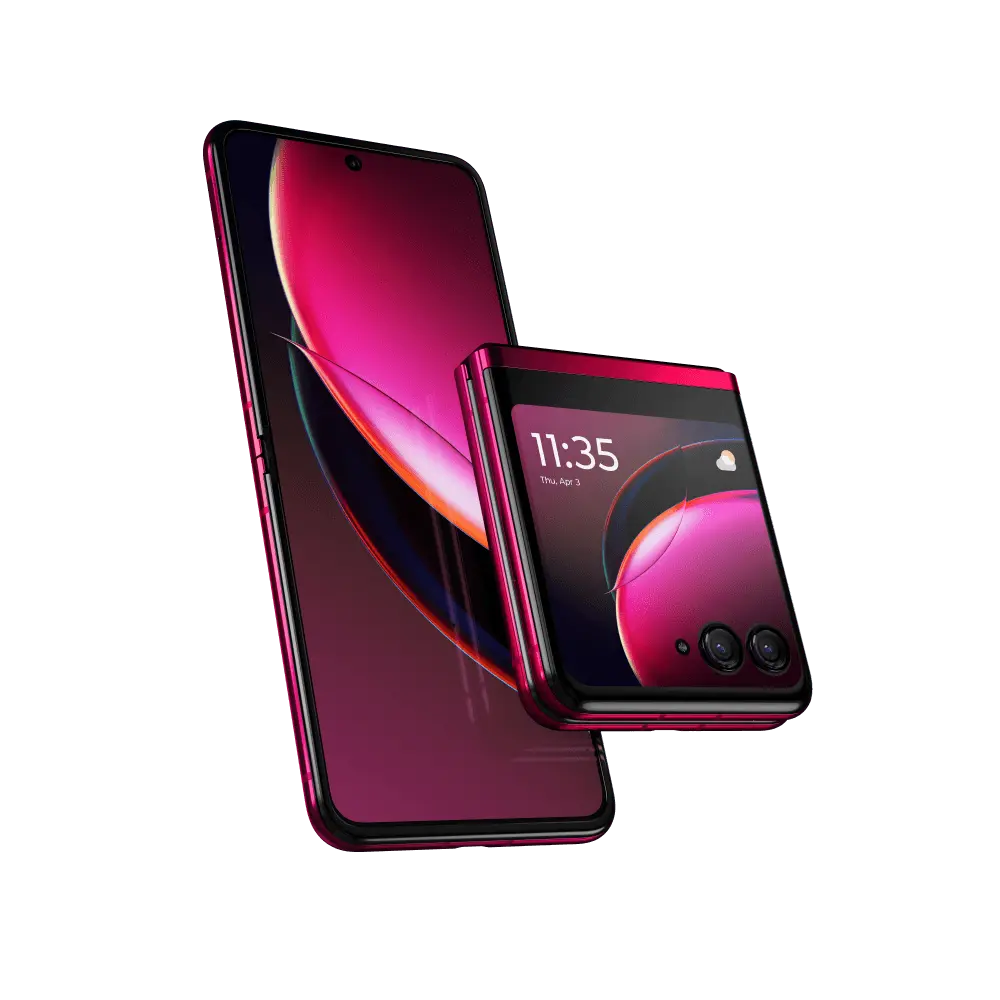
Motorola used the Lenovo Tech World Showcase alongside CES 2026 to outline a sharpened strategy for premium smartphones, unveiling a new Razr foldable and a broader flagship portfolio designed to embed artificial intelligence deeper into everyday mobile use. The announcements signal a renewed attempt by the Lenovo-owned brand to regain momentum in the high-end segment, where competition from Samsung, Apple and fast-rising Chinese manufacturers has intensified.
The headline device was the latest iteration of the Razr fold, building on the retro-inspired design that Motorola revived in recent years. Executives positioned the handset as a refinement rather than a radical redesign, with a focus on durability, battery efficiency and AI-assisted usability. The foldable features a reinforced hinge mechanism engineered to withstand heavier daily use, addressing long-standing consumer concerns around longevity in clamshell designs. Display improvements centre on higher brightness and colour accuracy, while Motorola also highlighted advances in crease reduction, a key differentiator in a crowded foldables market.
Beyond hardware, Motorola placed unusual emphasis on software intelligence. On-device AI models are designed to handle tasks such as real-time language translation, contextual photo enhancement and predictive battery management without relying heavily on cloud processing. Company representatives said this approach improves privacy and reduces latency, reflecting a wider industry shift towards edge AI. The strategy aligns with Lenovo's broader investment in hybrid AI systems across PCs, servers and mobile devices, suggesting tighter integration across the group's product ecosystem.
Alongside the Razr, Motorola introduced updates to its flagship slab smartphones, targeting users who prefer conventional form factors but expect premium performance. These devices focus on camera upgrades, with larger sensors and AI-driven image processing aimed at low-light photography and video stabilisation. Motorola also highlighted partnerships with imaging specialists to refine colour science, an area where the brand has historically lagged behind rivals such as Samsung's Galaxy S series and Apple's iPhone Pro line.
See also Punkt MC03 spotlights privacy-first smartphone ambitionsA notable theme across the launches was generative AI. Motorola demonstrated features that summarise notifications, draft messages based on user tone and generate customised wallpapers and avatars. Unlike early generative tools that run entirely in the cloud, Motorola said many of these functions operate locally or through a hybrid model, balancing performance with data security. Analysts view this as an attempt to differentiate in a market where AI branding risks becoming generic.
The timing of the announcements reflects pressure on smartphone makers to show tangible AI benefits rather than abstract promises. Global handset shipments have stabilised after years of decline, but premium growth remains uneven, with foldables still accounting for a small share of overall volumes. Motorola's Razr line has performed comparatively well in North America and parts of Europe, yet faces stiff competition in Asia, where rivals have accelerated innovation and pricing strategies.
Lenovo executives used the showcase to underline Motorola's role within the group's long-term vision. Smartphones are increasingly positioned as personal AI hubs that connect with PCs, tablets and wearables. Demonstrations showed cross-device workflows, such as starting tasks on a phone and completing them on a laptop, powered by shared AI models. This ecosystem approach mirrors strategies pursued by Apple and Samsung, underscoring how scale and integration have become critical competitive factors.
Industry observers note that Motorola's challenge lies less in design credibility and more in sustained software support and marketing reach. While the brand enjoys strong recognition, especially through the Razr name, buyers in the premium segment expect long update cycles and consistent feature rollouts. Motorola has pledged extended operating system and security updates for its new flagships, a move aimed at closing the gap with market leaders.
See also Pixel camera shifts into AI sensing platformNotice an issue? Arabian Post strives to deliver the most accurate and reliable information to its readers. If you believe you have identified an error or inconsistency in this article, please don't hesitate to contact our editorial team at editor[at]thearabianpost[dot]com. We are committed to promptly addressing any concerns and ensuring the highest level of journalistic integrity.

Legal Disclaimer:
MENAFN provides the
information “as is” without warranty of any kind. We do not accept
any responsibility or liability for the accuracy, content, images,
videos, licenses, completeness, legality, or reliability of the information
contained in this article. If you have any complaints or copyright
issues related to this article, kindly contact the provider above.
Most popular stories
Market Research

More Story








Comments
No comment