




403
Sorry!!
Error! We're sorry, but the page you were looking for doesn't exist.

Aldar Lines Up Banks For Dollar Hybrid Note Sale
(MENAFN- The Arabian Post)
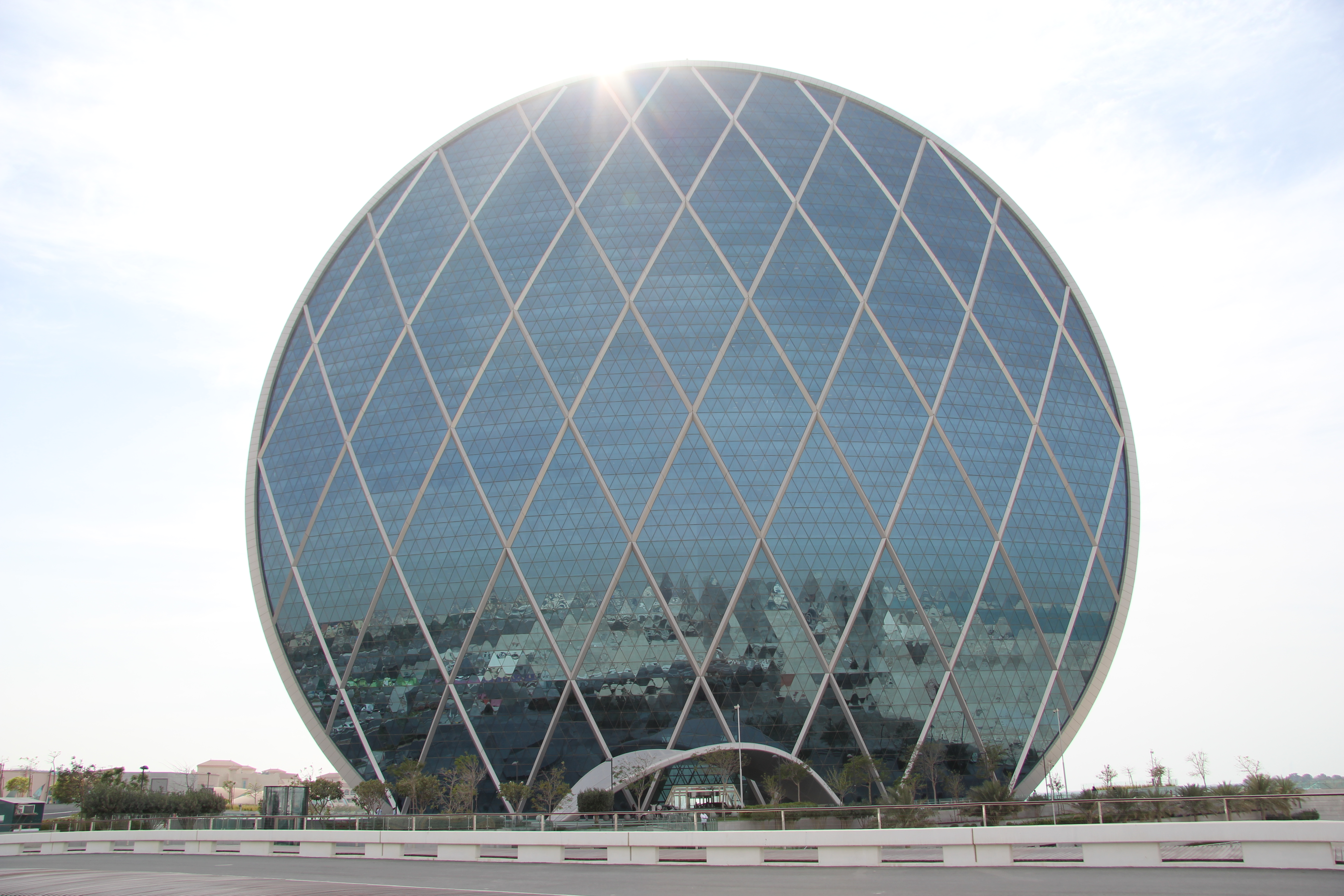
Aldar Properties PJSC, Abu Dhabi's largest property developer and real estate asset manager by total assets, has appointed a syndicate of global and regional banks for a planned US dollar-denominated hybrid notes issuance, a move that underscores the company's intention to strengthen its capital structure while retaining balance-sheet flexibility.
The company, which carries a Baa2 rating with a Stable outlook from Moody's, has mandated Citi as sole structuring adviser, global coordinator and joint bookrunner. The wider syndicate includes Abu Dhabi Commercial Bank, Emirates NBD Capital, First Abu Dhabi Bank, IMI-Intesa Sanpaolo, J. P. Morgan, Mashreq, RAKBANK, Société Générale and Standard Chartered Bank as joint lead managers and joint bookrunners. The selection brings together lenders with deep experience in Gulf credit markets and a track record in complex capital instruments.
Hybrid notes, which combine features of debt and equity, have become an increasingly favoured financing tool for investment-grade issuers seeking to optimise leverage ratios without immediate equity dilution. For Aldar, the planned offering comes at a time when the group is expanding its portfolio across residential, commercial, retail and logistics assets, while also maintaining a strong presence in recurring income streams such as property management and hospitality.
Market participants familiar with the transaction say the proposed issuance is expected to support Aldar's long-term funding profile, providing perpetual or long-dated capital that can be treated as partial equity by rating agencies. Such structures typically carry deferrable coupons and are subordinated to senior debt, allowing issuers to preserve cash during periods of stress while offering investors higher yields to compensate for the additional risk.
See also IHC lifts Invictus stake to 40 per centAldar has steadily built a reputation as one of the most active corporate issuers in the UAE debt market. Over the past decade, it has accessed both conventional and Islamic formats, tapping local and international investors as Abu Dhabi's property sector has matured into a more institutionally driven market. The company's scale and diversified asset base have helped it secure investment-grade ratings, positioning it to benefit from favourable pricing even amid volatile global conditions.
The choice of banks reflects a strategy to maximise distribution across geographies. Global lenders such as Citi and J. P. Morgan bring access to US and European institutional investors, while regional banks including First Abu Dhabi Bank, Emirates NBD Capital and Mashreq provide strong placement capabilities within the Gulf. European participation through IMI-Intesa Sanpaolo and Société Générale broadens the investor reach further, particularly among funds with mandates for hybrid capital.
Hybrid issuance by Gulf corporates has gained traction as issuers adapt to evolving funding needs. Rising capital expenditure, acquisitions and portfolio expansion have prompted companies to look beyond traditional senior bonds. At the same time, investors searching for yield have shown growing appetite for well-structured hybrid instruments from investment-grade names, especially those backed by tangible assets and stable cash flows.
For Aldar, the timing of the planned transaction aligns with continued development activity in Abu Dhabi, where government-led infrastructure spending and population growth have supported demand across residential and commercial segments. The company's asset management platform, which includes partnerships with sovereign and institutional investors, has added a layer of earnings stability that rating agencies tend to view favourably when assessing hybrid capital.
See also Modon awards Dh5bn Hudayriyat villas contractMoody's Baa2 rating with a Stable outlook indicates expectations that Aldar will maintain prudent financial metrics and adequate liquidity, even as it pursues growth. Hybrid notes, when structured appropriately, can help preserve these metrics by limiting pressure on net debt ratios. Analysts note that the treatment of hybrids as partial equity can be particularly advantageous for property developers with cyclical exposure, smoothing leverage through market cycles.
The broader market backdrop remains supportive for high-quality issuers from the Gulf. Although global interest rates have introduced periods of volatility, demand for dollar-denominated paper from the region has remained resilient, supported by strong sovereign balance sheets and relatively low corporate default rates. Abu Dhabi-based issuers, in particular, benefit from close links to the emirate's economic strategy and investment ecosystem.
Notice an issue? Arabian Post strives to deliver the most accurate and reliable information to its readers. If you believe you have identified an error or inconsistency in this article, please don't hesitate to contact our editorial team at editor[at]thearabianpost[dot]com. We are committed to promptly addressing any concerns and ensuring the highest level of journalistic integrity.

Legal Disclaimer:
MENAFN provides the
information “as is” without warranty of any kind. We do not accept
any responsibility or liability for the accuracy, content, images,
videos, licenses, completeness, legality, or reliability of the information
contained in this article. If you have any complaints or copyright
issues related to this article, kindly contact the provider above.
Most popular stories
Market Research

More Story








Comments
No comment