




403
Sorry!!
Error! We're sorry, but the page you were looking for doesn't exist.
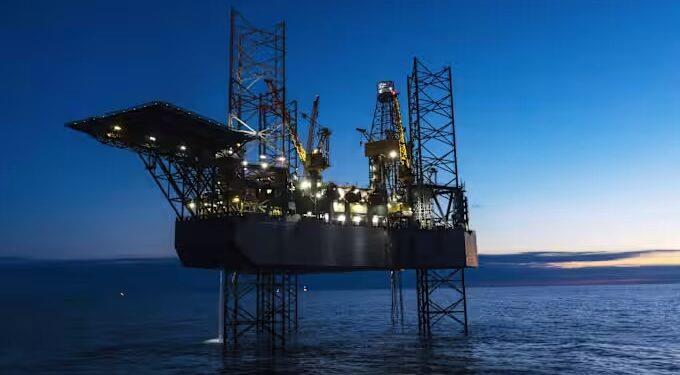
Venezuela Agrees $2Bn Oil Export Deal With The US
(MENAFN- The Arabian Post)

A landmark agreement between Caracas and Washington will see up to $2 billion worth of Venezuelan crude oil exported to the United States under terms announced by President Donald Trump, marking a major shift in energy geopolitics and offering a potential reprieve to Venezuela's embattled oil sector. The arrangement, underscored by negotiations that could divert barrels previously bound for China, elevates the United States into a key market for Venezuelan crude while signalling deeper engagement between the two governments amid a period of political upheaval in the South American nation.
The deal envisages the transfer of between 30 million and 50 million barrels of oil that had been stranded due to a U. S. export blockade, with the volume valued at around $1.9 billion to $2 billion, according to industry estimates. Trump stated that the oil would be sold at prevailing market prices and that he would oversee the proceeds“to ensure it is used to benefit the people of Venezuela and the United States.” U. S. Energy Secretary Chris Wright has been tasked with implementing the export plan, which could see shipments loaded onto vessels and delivered directly to U. S. ports.
This agreement follows intensifying U. S. pressure on Venezuela's oil exports, undertaken as a component of broader political and economic actions by Washington. A blockade targeting Venezuelan crude shipments had effectively halted deliveries to Asia, particularly China, which has been the country's largest buyer in the past decade. As a consequence, PDVSA, the state oil company, has faced growing inventories with limited export routes, a situation that contributed to production cuts prior to the new deal.
See also Abu Dhabi's sovereign capital reshapes global financial, energy and AI marketsChevron remains central to the resumption of flows, operating under existing U. S. authorisations to export Venezuelan crude to American refineries, and handling between 100,000 and 150,000 barrels per day. Under the new arrangement, Chevron - along with other potential U. S. buyers - may receive Venezuelan crude through auctions or under updated licensing mechanisms being discussed by officials on both sides. These mechanisms could reopen trade pathways that had narrowed significantly under sanctions regimes implemented earlier.
The oil industry's response has been immediate, with U. S. benchmark crude prices falling as traders priced in expectations of increased supply. West Texas Intermediate and Brent futures experienced downward pressure following Trump's announcement, reflecting market anticipation of additional heavy crude entering refiners on the U. S. Gulf Coast, which are well equipped to process Venezuelan grades.
Analysts and energy officials have offered differing views on the implications. U. S. Interior Secretary Doug Burgum characterised greater Venezuelan oil flows as beneficial for employment and consumer fuel costs, suggesting that increased supply could support economic activity in both countries. At the same time, some market observers caution that large volumes of discounted Venezuelan crude could suppress broader price signals, potentially affecting investment in production capacity elsewhere.
The political context surrounding the deal is complex. Caracas has been in a volatile state following the capture of President Nicolás Maduro by U. S. forces in an operation earlier this month, a development condemned by Venezuelan officials as an unlawful abduction. Maduro's vice-president, Delcy Rodríguez, has assumed interim leadership and has voiced staunch opposition to perceived U. S. intervention, even as her government engages in energy cooperation. Trump has framed the agreement as evidence of Venezuela's willingness to grant greater access to U. S. oil companies, a precondition he has repeatedly emphasised amidst warnings of military escalation if terms were not met.
See also Olayan sisters expand Saudi business cloutSanctions remain a significant factor in the deal's implementation, with PDVSA's exclusion from the global financial system complicating how revenue might be accessed or utilised by Venezuela itself. Bank accounts remain frozen and transactions denominated in U. S. dollars are restricted, raising questions about how much of the proceeds will directly benefit Venezuela versus being managed under U. S. control.
China's historical role as a cornerstone of Venezuelan oil exports underscores the wider strategic shift this deal represents. Beijing's imports of Venezuelan crude accounted for a substantial share of Venezuelan shipments in 2025, with oil often utilised to settle debt obligations with Chinese entities. Redirecting these flows to the United States marks a significant reorientation of Venezuela's energy ties and has implications for global crude flows and diplomatic alignments in the petroleum market.
Notice an issue? Arabian Post strives to deliver the most accurate and reliable information to its readers. If you believe you have identified an error or inconsistency in this article, please don't hesitate to contact our editorial team at editor[at]thearabianpost[dot]com. We are committed to promptly addressing any concerns and ensuring the highest level of journalistic integrity.

Legal Disclaimer:
MENAFN provides the
information “as is” without warranty of any kind. We do not accept
any responsibility or liability for the accuracy, content, images,
videos, licenses, completeness, legality, or reliability of the information
contained in this article. If you have any complaints or copyright
issues related to this article, kindly contact the provider above.
Most popular stories
Market Research

More Story







Comments
No comment