




403
Sorry!!
Error! We're sorry, but the page you were looking for doesn't exist.
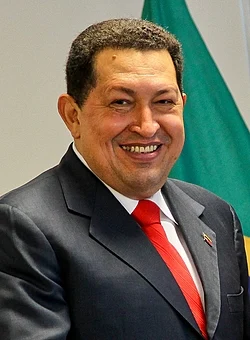
Venezuela Oil Flows Steady After Maduro Seizure
(MENAFN- The Arabian Post)

Venezuela's state-run oil industry continued operating without interruption on Saturday despite a dramatic United States operation that led to the capture of President Nicolas Maduro, according to people familiar with the operations of Petróleos de Venezuela, known as PDVSA. Production, refining and internal logistics remained stable, the sources said, with no damage reported at oilfields, pipelines or export terminals that underpin the country's energy revenues.
The announcement of Maduro's capture by President Donald Trump followed months of escalating pressure from Washington, which has accused the Venezuelan leader of involvement in drug trafficking and of clinging to power without a legitimate electoral mandate. The operation marked an extraordinary intervention in the politics of the oil-rich South American nation and sent ripples through global energy markets wary of any disruption to supply.
People briefed on PDVSA's activities said crude production levels on Saturday were broadly in line with recent averages, and refinery throughput continued as planned. Export loadings from key oil ports, including José on the eastern coast, were proceeding under existing schedules, suggesting that shipping lanes and storage infrastructure had not been affected by the operation targeting the president.
One port facility outside the oil export network did suffer damage. La Guaira, near Caracas, which handles general cargo and passenger traffic rather than crude shipments, was reported to have sustained severe structural harm. The incident disrupted imports of food and consumer goods but did not interfere with petroleum exports, according to the same sources. Venezuelan authorities did not immediately provide a detailed assessment of the port's condition.
See also Dubai opens robotaxi rides to the publicPDVSA has long been central to Venezuela's economy, providing the bulk of foreign currency earnings and funding for social programmes. Years of underinvestment, US sanctions and the departure of skilled workers have eroded output, yet crude remains a strategic asset. Any hint of instability at the company carries implications for global markets, particularly refiners in Asia and Latin America that still process Venezuelan grades under waivers or indirect arrangements.
The capture of Maduro introduces fresh uncertainty into a political landscape already fractured by rival claims to power and a divided opposition. Senior figures within the governing apparatus moved quickly to signal continuity, urging workers to remain at their posts and emphasising that oil installations were secure. PDVSA employees were instructed to follow existing operational protocols and avoid political demonstrations at industrial sites.
Energy analysts said the immediate priority for market participants would be the preservation of physical flows rather than the longer-term question of governance. Venezuela's output, while far below its historical peak, still contributes meaningfully to regional supply, particularly of heavy crude blends that are harder to replace at short notice.
International oil prices showed limited movement in early trading as traders weighed the likelihood of further escalation against reassurances from industry sources. Shipping data and satellite imagery monitored by analysts showed no abnormal congestion or shutdowns at export terminals, reinforcing the view that the industry remained functional.
Within Venezuela, the political ramifications were swift. Security forces loyal to the existing state structure tightened their presence around strategic facilities, including refineries and power plants. Opposition leaders called for calm while pressing for a transition framework that would stabilise institutions and restore economic confidence. Labour unions representing oil workers urged all sides to avoid actions that could jeopardise safety at complex industrial operations.
See also Gulf lenders set for stronger credit expansionThe United States has previously calibrated its Venezuela policy to avoid sudden shocks to oil markets, even while imposing sanctions on individuals and entities. Officials in Washington framed the operation as a targeted action against the president rather than the state or its economy. Whether that distinction holds in practice will depend on the response of Venezuela's security forces and the cohesion of PDVSA's management.
Regional governments reacted cautiously, with several urging respect for international law and warning against spillover effects. Neighbouring countries host millions of Venezuelan migrants and remain sensitive to any development that could deepen economic distress or prompt further displacement.
Notice an issue? Arabian Post strives to deliver the most accurate and reliable information to its readers. If you believe you have identified an error or inconsistency in this article, please don't hesitate to contact our editorial team at editor[at]thearabianpost[dot]com. We are committed to promptly addressing any concerns and ensuring the highest level of journalistic integrity.

Legal Disclaimer:
MENAFN provides the
information “as is” without warranty of any kind. We do not accept
any responsibility or liability for the accuracy, content, images,
videos, licenses, completeness, legality, or reliability of the information
contained in this article. If you have any complaints or copyright
issues related to this article, kindly contact the provider above.
Most popular stories
Market Research

More Story





Comments
No comment