






403
Sorry!!
Error! We're sorry, but the page you were looking for doesn't exist.

3 Things Cops Notice Before You Even Speak
(MENAFN- Clever Dude) I'm no stranger to being pulled over, especially when I was younger. Most of the time, police already have their minds made up about you before you even open your mouth. Maybe your car is loud or not well taken care of. Or you were speeding. Whatever the case may be, law enforcement officers are trained to observe and assess situations quickly, often within seconds. Their safety depends on it, and so does yours. That said, here are three things cops will notice when you get pulled over.1. Your Vehicle's Condition and Behavior
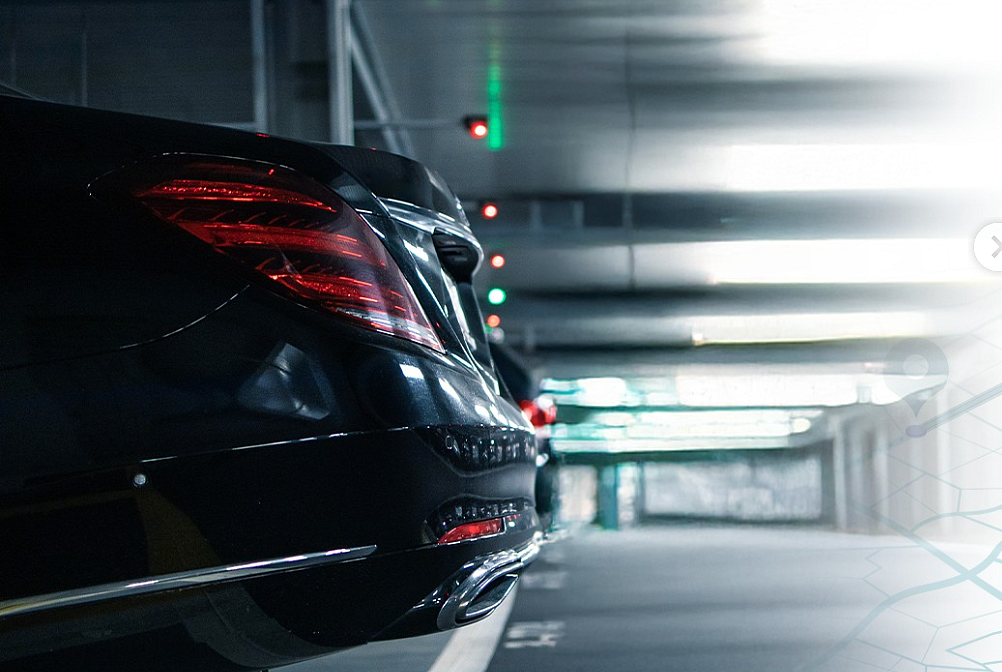
Before an officer even steps out of their cruiser, they've already formed an impression based on your car. Things like a cracked windshield, expired tags, broken taillights, or excessive window tint can all raise red flags. Even the way you pull over, whether you do so promptly and safely or swerve erratically, sends a message. A clean, well-maintained vehicle suggests responsibility and attention to detail, while a neglected one might prompt closer scrutiny. Officers are trained to look for signs of impairment, neglect, or potential danger, and your car's condition is often their first clue.
2. Your Hands and Body LanguageAs the officer approaches your vehicle, their eyes are on your hands. Why? Because hands are what pose the greatest threat. If your hands are visible on the steering wheel, it signals cooperation and reduces tension. But if you're fumbling in the glove box, reaching under the seat, or making sudden movements, it can escalate the situation quickly. Body language matters too. Slouching, avoiding eye contact, or appearing overly nervous can raise suspicion, even if you've done nothing wrong. Staying calm, still, and visible helps set a respectful tone from the start.
3. The Interior of Your CarOnce the officer gets close enough to see inside your vehicle, they're scanning for anything out of place. Open containers, drug paraphernalia, weapons, or even strong odors (like alcohol or marijuana) can change the course of the stop. But it's not just about illegal items. Clutter, trash, or signs of disarray can also influence perception. A tidy interior suggests you're organized and responsible, while a chaotic one might raise questions. It's not about judgment; it's about context, and officers are trained to take in every detail.
Awareness Is a Form of RespectUnderstanding what officers notice before you speak isn't about fear. These early observations help law enforcement assess risk and determine how to proceed. By being mindful of your vehicle's condition, your body language, and your car's interior, you can help create a safer, more respectful interaction for everyone involved. It's not about being perfect; it's about being prepared.
Have you ever been surprised by what an officer noticed during a traffic stop? Share your experience in the comments.

Legal Disclaimer:
MENAFN provides the
information “as is” without warranty of any kind. We do not accept
any responsibility or liability for the accuracy, content, images,
videos, licenses, completeness, legality, or reliability of the information
contained in this article. If you have any complaints or copyright
issues related to this article, kindly contact the provider above.
Most popular stories
Market Research

More Story







Comments
No comment