



403
Sorry!!
Error! We're sorry, but the page you were looking for doesn't exist.
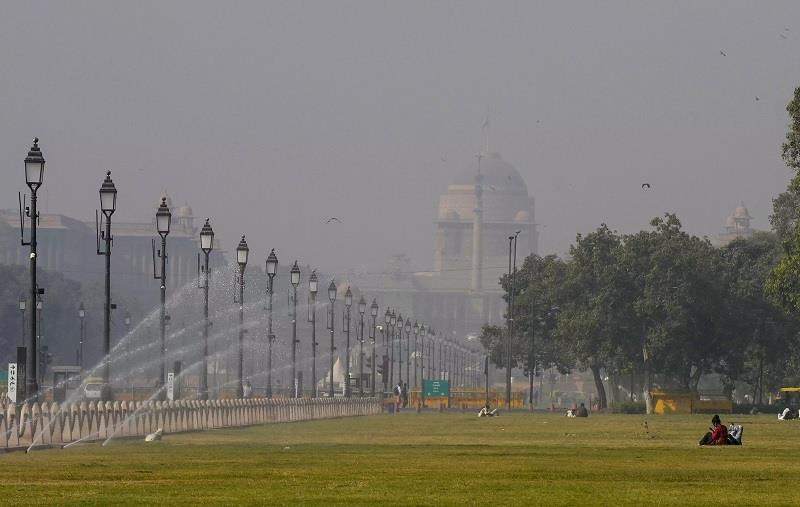
Delhi Smog Hits Trees, Hampers Photosynthesis: Study
(MENAFN- Kashmir Observer) New Delhi ~ The capital's toxic air could be detrimental for plant life, reducing chlorophyll levels that are“directly proportional” to the amount of oxygen produced by a tree, a Delhi University (DU) study has found.
Researchers at DU's Acharya Narendra Dev College examined ten species of trees found widely in the city. These include 'Bael' (Aegle marmelos), 'Saptparni' (Alstonia scholaris), 'Neem' (Azadirachta indica), 'Amaltas' (Cassia fistula), 'Bargad' (Ficus benghalensis), 'Pipal' (Ficus religiosa), 'Pilkhan' (Ficus virens), 'Mango' (Mangifera indica), 'Champa' (Plumeria alba) and 'Jamun' (Syzygium cumini).
The study, titled 'Seasonal variation of biochemical and morphological traits of selected tree species in polluted urban areas of Delhi City', was conducted across four zones, with Ashram marked as a polluted road stretch, Tughlaqabad as an industrial hotspot, Dwarka as a moderately polluted residential area, and the Kamla Nehru Ridge as the least polluted urban biodiversity park.
The methodology section of the study states that leaf samples were collected during monsoon (August-September) and winter (November-December) in 2023. The researchers examined biochemical indicators such as chlorophyll, proline, water content and pH, along with structural traits like thickness and dry matter content.
According to the study, the monsoon period allowed most trees to maintain higher chlorophyll levels, thicker leaves and better water content because rainfall washed dust off the leaf surface and humidity helped the leaves stay hydrated.
In contrast, winter pollution had a greatly adverse impact. The study observed that the dense particulate load in winter reduced chlorophyll more sharply, increased proline levels, made leaves thinner and lowered their water content across sites.
The researchers noted that while monsoon conditions supported recovery and healthier leaf function, winter conditions intensified stress, making biochemical and structural weakening more pronounced.
The study noted that Amaltas and Bargad were among the most pollution-tolerant across sites, while Saptparni and Bael were consistently the most sensitive. Mango, Champa, Pilkhan and Jamun fell in the moderately tolerant range.
Chlorophyll enables a tree to carry out photosynthesis, which produces energy out of sunlight and releases oxygen.

Legal Disclaimer:
MENAFN provides the
information “as is” without warranty of any kind. We do not accept
any responsibility or liability for the accuracy, content, images,
videos, licenses, completeness, legality, or reliability of the information
contained in this article. If you have any complaints or copyright
issues related to this article, kindly contact the provider above.
Most popular stories
Market Research

More Story







Comments
No comment