





403
Sorry!!
Error! We're sorry, but the page you were looking for doesn't exist.
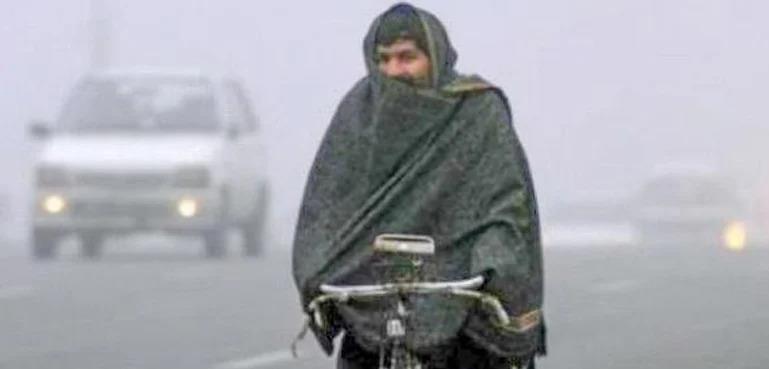
Falling Temperatures Across Pakistan Trigger Unexpected Physical And Mental Health Effects, Warn Experts
(MENAFN- Tribal News Network) -->
As temperatures drop rapidly across the country, medical experts warn that the changing weather is having a range of unexpected effects on both the human body and mind. Doctors caution that ignoring seasonal changes can be harmful to health, as cold weather impacts not only physical well-being but also mental state.
According to health experts, the body activates several natural responses in cold weather to preserve heat. As part of this process, the fingers and toes contract, which can make rings feel loose. This is a natural mechanism through which the body attempts to retain warmth.
Medical professionals say that some individuals experience pain, burning sensations or discomfort in their hands, feet and ears during winter due to sudden reactions in small blood vessels. While this condition is generally not dangerous, it can be uncomfortable. To avoid such issues, experts advise wearing warm clothing and avoiding unnecessary outdoor exposure during extreme cold.
Also Read: Echoes of Pashto Hymns: The Enduring Faith and History of St Paul Frontier Church, MardanCold weather also has a positive aspect, as the body burns more calories in an effort to stay warm. However, experts clarify that this process alone is not sufficient for weight loss. When combined with regular exercise, it may help reduce excess body fat.
Doctors have further warned that severe cold, strong winds and snowfall can have negative effects on the eyes, making the use of sunglasses essential in snowy regions. Redness of the face in winter is also attributed to temporary changes in blood circulation, which usually return to normal upon entering a warmer environment.
The cold season has been described as particularly risky for elderly individuals and heart patients. Research indicates that the extra effort required to keep the body warm places additional strain on the heart, increasing the risk of high blood pressure and potential heart attacks.
Additionally, reduced sunlight exposure and lower temperatures can lead to a decline in vitamin D levels, which may negatively affect mood and cause feelings of sadness or depression. Low humidity during winter can result in dryness of the eyes and nose, while inhaling cold air may worsen conditions for asthma and respiratory patients.
Medical experts have urged citizens to take appropriate precautions during the winter season by wearing warm clothing, maintaining a healthy diet and ensuring adequate intake of vitamin D to protect themselves from the adverse effects of cold weather.

Legal Disclaimer:
MENAFN provides the
information “as is” without warranty of any kind. We do not accept
any responsibility or liability for the accuracy, content, images,
videos, licenses, completeness, legality, or reliability of the information
contained in this article. If you have any complaints or copyright
issues related to this article, kindly contact the provider above.
Most popular stories
Market Research

More Story







Comments
No comment