




403
Sorry!!
Error! We're sorry, but the page you were looking for doesn't exist.

OPEC Sees Balanced Oil Market In 2026
(MENAFN- The Arabian Post)
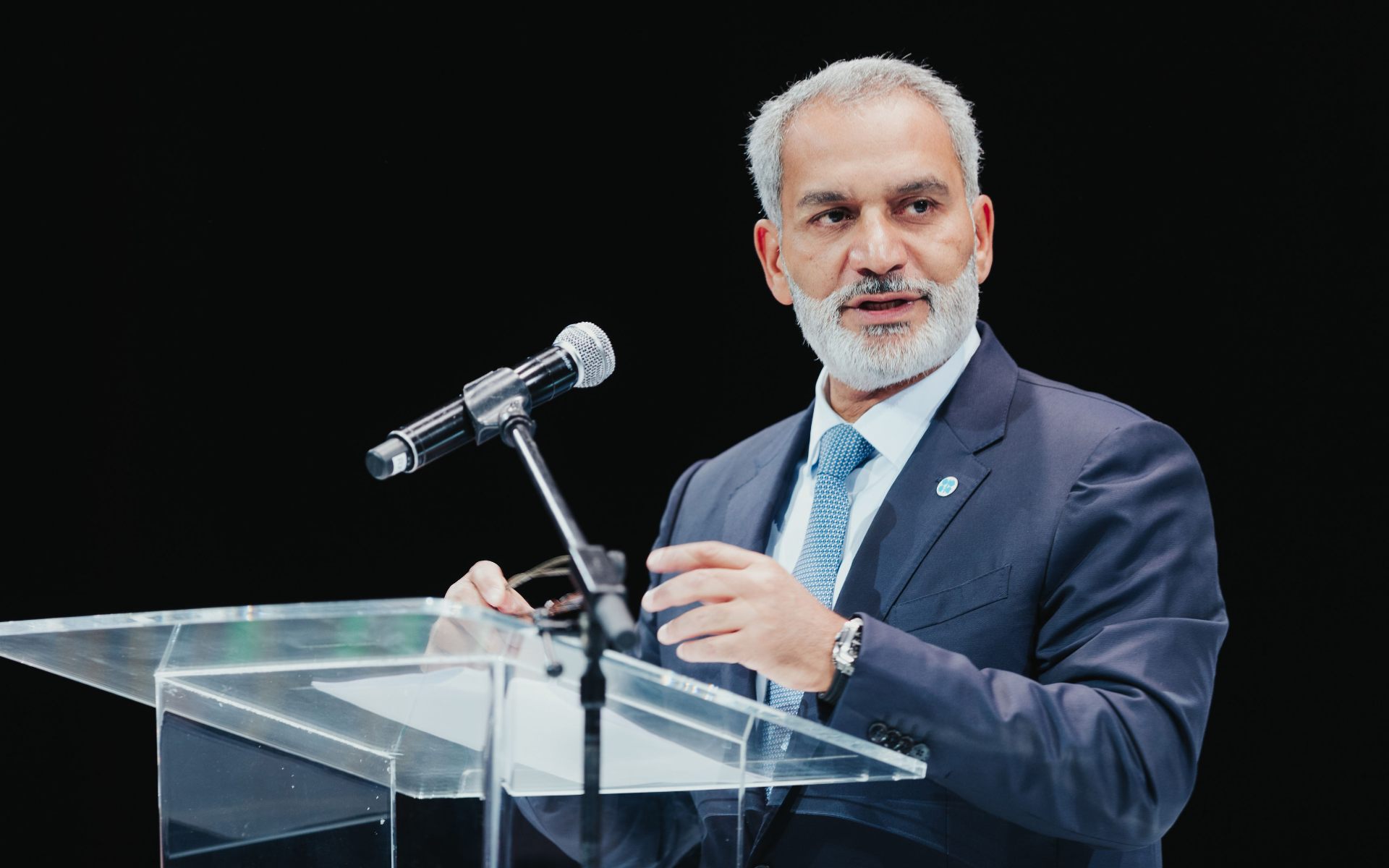
Global oil supply is likely to align closely with demand through 2026, according to fresh projections from the Organization of the Petroleum Exporting Countries, setting up a clear divergence with forecasts from other major agencies that warn of a sizeable surplus building in the same period.
OPEC's latest monthly assessment indicates that the OPEC+ alliance, which brings together OPEC members, Russia and other producing partners, expects market fundamentals to remain broadly balanced as consumption growth absorbs new supply. This outlook underpins the group's plan to pause further production increases during the first quarter of 2026, a decision framed as a response to persistent uncertainty over global economic growth, interest rate trajectories and energy transition policies.
The organisation reported that OPEC+ crude output averaged 43.06 million barrels per day in November, an increase of about 43,000 barrels per day from October, reflecting the early phase of a previously agreed production hike. While the increase was modest, it signalled the group's cautious approach after several years of aggressive supply management aimed at stabilising prices amid volatile demand conditions.
In its projections, OPEC pointed to steady oil consumption growth driven by transport, petrochemicals and aviation, particularly across Asia, the Middle East and parts of Africa. Demand expansion in these regions is expected to offset efficiency gains and the gradual uptake of alternative energy sources in advanced economies. The group maintained that oil would continue to play a central role in the global energy mix well into the next decade, arguing that underinvestment in upstream capacity could pose longer-term supply risks.
See also BlackRock signals openness to co-investment with Gulf sovereign funds in AsiaThis assessment stands in contrast to estimates from the International Energy Agency and several investment banks, which have warned that a wave of non-OPEC supply growth, led by the United States, Brazil, Guyana and Canada, could outpace demand and create a glut by the middle of the decade. Those forecasts often assume faster electrification of transport, stronger fuel efficiency standards and a more rapid shift towards renewables.
OPEC challenged these assumptions, suggesting that projections of oversupply underestimate both the resilience of oil demand and the decline rates of existing fields. The group also highlighted geopolitical risks, including tensions in major producing regions and potential disruptions along key shipping routes, as factors that could tighten markets unexpectedly.
Market participants have been closely watching how OPEC+ balances its desire to defend price stability with pressure from consuming nations concerned about inflation. Oil prices have oscillated within a relatively narrow range over recent months, reflecting competing narratives of economic slowdown on one hand and supply discipline on the other. Analysts note that the alliance's credibility in managing output has remained a key anchor for trader expectations.
Within OPEC+, internal dynamics continue to shape policy. Several members with constrained fiscal space have favoured higher output to boost revenues, while others with larger financial buffers have pushed for restraint to avoid another price slump. The decision to pause hikes in early 2026 appears to be a compromise that allows the group to assess market signals before committing to further adjustments.
Energy economists say the divergence between OPEC and other forecasters underscores deep uncertainty about the pace of the global energy transition. While electric vehicle adoption is accelerating in some markets, internal combustion engines are expected to dominate vehicle fleets for years, particularly in emerging economies where infrastructure for electrification remains limited.
See also Crescent Enterprises Unveils AED 1 Billion Investment PlanOPEC also reiterated concerns about investment levels, warning that a sharp drop in capital spending could lead to supply shortfalls later in the decade. According to the group, sustained investment is needed not only to meet incremental demand but also to replace declining output from mature fields.
Notice an issue? Arabian Post strives to deliver the most accurate and reliable information to its readers. If you believe you have identified an error or inconsistency in this article, please don't hesitate to contact our editorial team at editor[at]thearabianpost[dot]com. We are committed to promptly addressing any concerns and ensuring the highest level of journalistic integrity.

Legal Disclaimer:
MENAFN provides the
information “as is” without warranty of any kind. We do not accept
any responsibility or liability for the accuracy, content, images,
videos, licenses, completeness, legality, or reliability of the information
contained in this article. If you have any complaints or copyright
issues related to this article, kindly contact the provider above.
Most popular stories
Market Research

More Story





Comments
No comment