




403
Sorry!!
Error! We're sorry, but the page you were looking for doesn't exist.
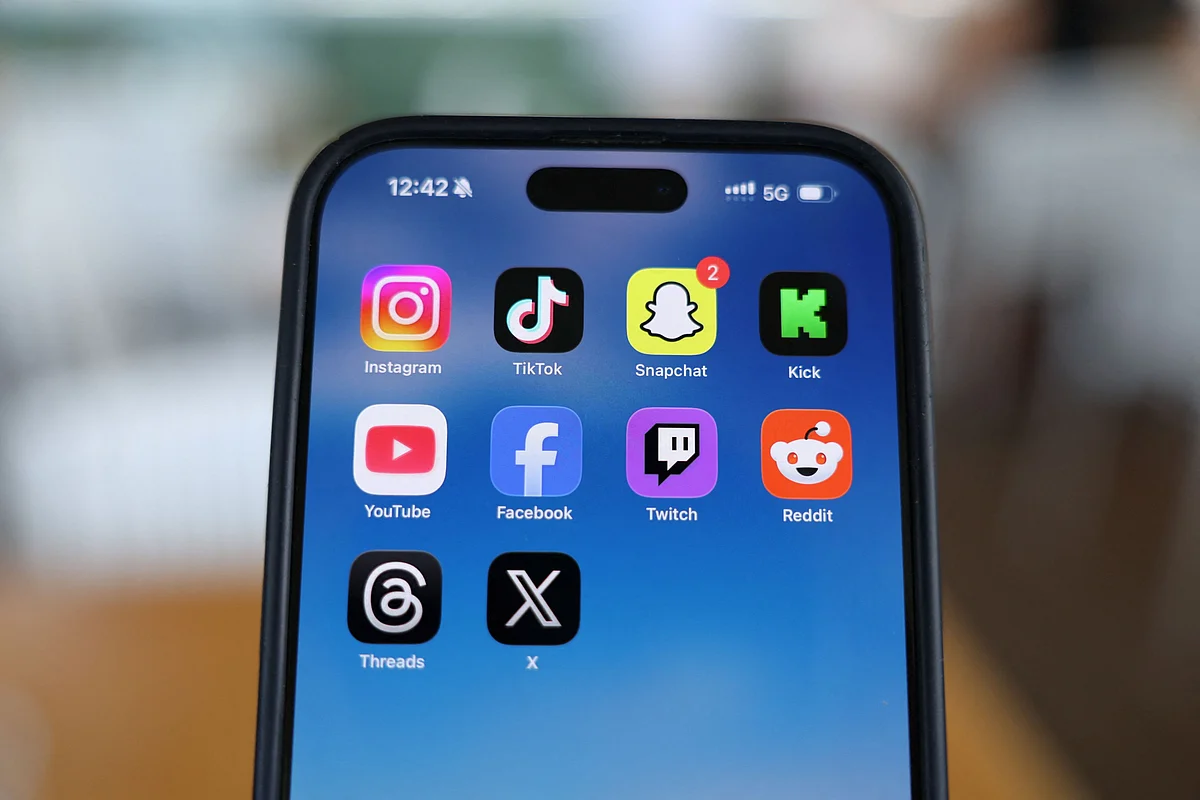
UAE: Would You Make Your Facebook, Instagram Accounts Public For A US Tourist Visa?
(MENAFN- Khaleej Times)
Are you willing to open your Facebook, Instagram or any other personal social media account to get a US tourist visa? This is a question that travellers could face once a proposal by the US Customs and Border Protection (CBP) is approved, requiring visitors to undergo a review of up to five years of their social media history.
The biggest legal concerns with this proposal are about privacy and free speech, Dubai-based US attorney and legal director of The American Legal Centre, Shai Zamanian, told Khaleej Times.
Recommended For You From arrival to room in minutes: How contactless Dubai hotel check-ins will get faster“People worry that the US collecting years of social media posts could expose personal views that have nothing to do with security, and might make travelers feel they have to watch what they say online. Others also question how this information will be stored and whether it actually makes the country (US) safer.”
Stay up to date with the latest news. Follow KT on WhatsApp Channels.
The US CBP on Tuesday (December 9) filed a plan said to ask US visa applicants for a long list of personal data including social media, email addresses from the last decade, and the names, birth dates, places of residence and birthplaces of parents, spouses, siblings and children. Under the current system, applicants from visa waiver countries must enroll in the Electronic System for Travel Authorisation programme. They will pay $40 and submit an email address, home address, phone number and emergency contact information. The authorisation is good for two years
Zamanian pointed out the US has broad legal power to screen anyone seeking entry. He explained:“The Immigration and Nationality Act allows the government to collect information needed for security checks. Courts have consistently upheld strong border search authority. The Homeland Security Act gives the US Department of Homeland Security (DHS) wide discretion to gather data to prevent threats.”
This means foreign travellers have limited rights because entry is not guaranteed.“These rules make social media screening legally permissible under US laws,” explained Zamanian, who is a US immigration expert.
Why now?
The CBP proposal, once implemented, would affect visitors eligible for the visa waiver programme, which allows people from 42 countries to travel to the US for up to 90 days without a visa as long as they first obtain electronic travel authorisation. Travellers visiting US from countries like Britain, France, Germany and South Korea may soon be required to open up for scrutiny up to five years of their recent social media history.
With this, Zamanian underscored, the bigger question is not whether the US can do this“but why it is choosing to do it now, and why it is focusing on countries that seem low risk.”
Zamanian said:“The answer is simple: travellers from places like Britain, France, Germany, and South Korea can enter the US without a visa, which means millions arrive every year with limited pre-screening. The US worries that this creates loopholes.
The Dubai-based US attorney also pointed out recent attacks in Europe have shown that online radicalisation knows no boundaries and can happen anywhere.
“For example,” he said,“the 2016 Nice attacker was influenced by extremist content online, the 2017 London Bridge attackers had shared radical posts, and German authorities have stopped several plots involving young people recruited through apps like Telegram.
“These cases taught US security agencies that threats increasingly grow from digital activity, not just physical networks. That is why Washington now sees social media as an important part of modern border checks,” Zamanian added.
Safeguards against unreasonable searches
Dubai-based technologist and cybersecurity expert Rayad Kamal Ayub, however, underscored the urgent need to ensure safeguards against unreasonable searches.
Although Ayub pointed out the proposal from US CBP is still in its early stages, and the specific details will be clarified once officially announced,“the legality of reviewing social media history largely depends on privacy rights as outlined in the US Fourth Amendment, which safeguards against unreasonable searches and seizures.
“While the government can establish certain vetting requirements for national security and immigration purposes, it must carefully balance these needs with individual privacy rights,” added Ayub, who is managing director of UAE-based Rayad Group's Immigration Company.
He also commented on the motivation for harsher immigration vetting.“The US government's motivation for stricter vetting likely stems from heightened concerns about national security and terrorism. In a world increasingly challenged by global tensions and cyber threats, officials may believe that enhanced scrutiny is essential for safety.
But all of these, Rayad underscored, should be weighed against the impact on travellers.“Should this proposal be implemented, it could significantly alter the travel experience, making it more invasive. Travelers might face delays at borders, heightened scrutiny of their online activities, and the risk of denied entry based on their social media history,” he underlined.

Legal Disclaimer:
MENAFN provides the
information “as is” without warranty of any kind. We do not accept
any responsibility or liability for the accuracy, content, images,
videos, licenses, completeness, legality, or reliability of the information
contained in this article. If you have any complaints or copyright
issues related to this article, kindly contact the provider above.
Most popular stories
Market Research

More Story





Comments
No comment