




403
Sorry!!
Error! We're sorry, but the page you were looking for doesn't exist.
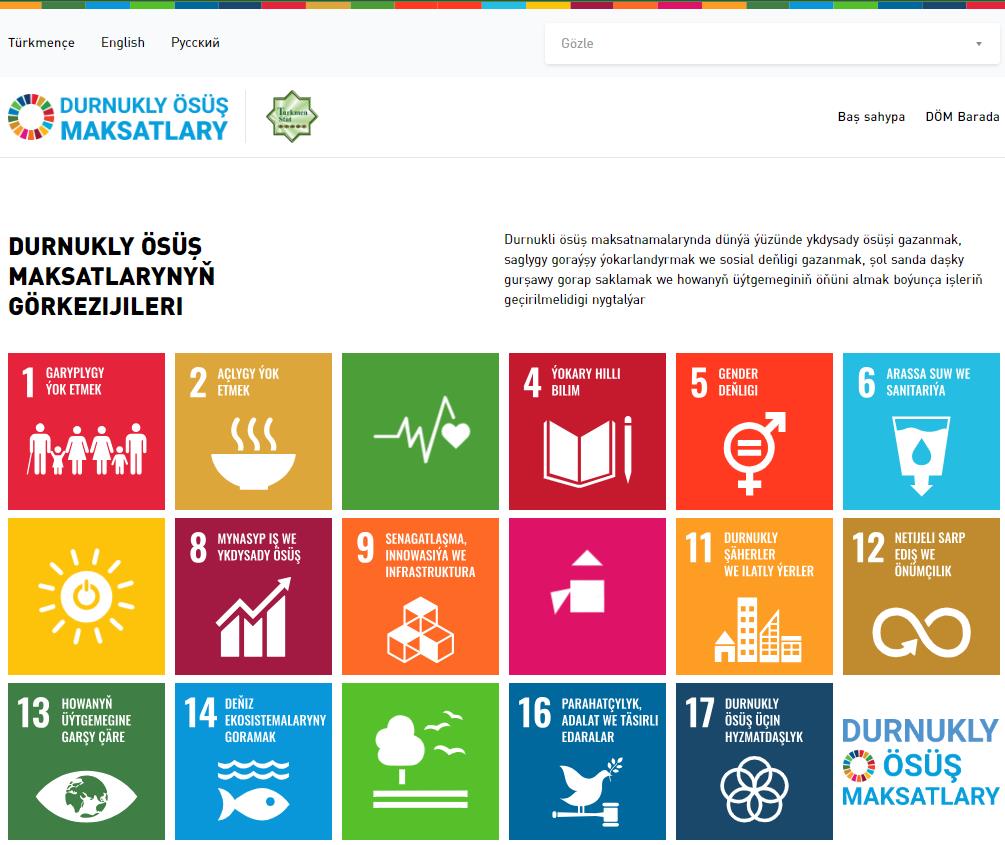
UNDP Tracks Uneven SDG Gains As Global Climate Risks Intensify
(MENAFN- The Arabian Post)

Global development officials are assessing faltering progress on sustainable development targets as the United Nations Development Programme warns that economies and communities face mounting pressures from climate shocks, widening inequality, and geopolitical instability. The review comes at a time when the Global Environment Outlook 7 underscores the scale of environmental disruption, projecting that unchecked climate change could shave about 4 per cent off annual global GDP by 2050 while driving loss of life and amplifying forced migration. The UN's development arm is using these findings to highlight the need for accelerated action across governments, financial institutions, and civil-society networks.
UNDP's latest stocktake shows that only a fraction of the Sustainable Development Goals are on course to be met by the 2030 deadline, with many indicators either stalling or reversing. Officials describe the situation as a convergence of setbacks, noting that climate-linked disasters, supply chain volatility, inflationary pressures, and displacement crises are disrupting development planning in low- and middle-income economies. The agency is emphasising that progress demands strengthened governance structures, predictable financing channels, and greater alignment between public and private investment.
The GEO-7 assessment adds fresh urgency to the UNDP's call for action. The report's modelling points to rising temperatures, more frequent extreme-weather events, and accelerated biodiversity loss as primary drivers of economic damage. Analysts note that GDP contraction linked to climate stress is likely to be uneven, with vulnerable states in Africa, Asia, and small island regions facing the sharpest declines. The outlook also warns that forced migration could intensify as water scarcity, crop failures, and coastal degradation reshape population patterns. UNDP officials argue that such risks, if unaddressed, will complicate long-term development planning and strain public services.
See also Walmart Opens Second South Africa Store at Fourways MallUNDP's review shows that poverty reduction gains achieved over the past decade have slowed, particularly in regions affected by conflict or acute climate stress. Development economists highlight that food insecurity remains a pressing concern, influenced by erratic weather patterns and high commodity prices. Health and education indicators have also weakened in some countries due to fiscal constraints and workforce shortages, prompting calls for renewed investment in social protection and community resilience programmes.
Efforts to accelerate SDG implementation are now centred on expanding concessional finance and reforming global lending frameworks. Discussions at multilateral forums have focused on debt-service burdens that limit public spending in developing economies. UNDP has been advocating for blended-finance models that crowd in private capital while maintaining safeguards, arguing that achieving the global goals requires cooperation between sovereign actors, development banks, and institutional investors. Policymakers are exploring mechanisms that would channel more funding to climate adaptation, humanitarian response, and digital-infrastructure projects.
Climate negotiators and environmental scientists involved in the GEO-7 process stress that mitigation alone will not be enough. They point to the need for large-scale adaptation measures, including early-warning systems, climate-resilient agriculture, and sustainable urban planning. UNDP is pushing for integrated national strategies that tie climate objectives to broader development agendas, saying that fragmented policymaking has slowed progress across multiple SDG markers. Several governments have begun updating their national plans to reflect these recommendations, with an emphasis on measurable outcomes and transparent monitoring.
The UN agency has also identified governance gaps that hinder SDG implementation, from insufficient data systems to limited institutional capacities at the local level. Strengthening municipal planning frameworks, expanding digital public services, and improving public-sector training are highlighted as priority areas. Development specialists note that stronger local institutions can deliver faster progress on health, education, and environmental management, particularly in rural areas that remain underserved.
See also Nigeria Faces Massive Job Challenge AheadPublic-private partnerships are gaining renewed attention as governments seek to harness technological innovation for development goals. Companies working in renewable energy, digital finance, and climate-smart agriculture are seen as crucial partners in delivering scalable solutions. UNDP is also promoting inclusive policy dialogues to ensure that community groups, youth organisations, and civil-society networks have a role in shaping national strategies. Officials argue that broad participation helps identify bottlenecks early and builds social consensus around long-term reforms.
Notice an issue? Arabian Post strives to deliver the most accurate and reliable information to its readers. If you believe you have identified an error or inconsistency in this article, please don't hesitate to contact our editorial team at editor[at]thearabianpost[dot]com. We are committed to promptly addressing any concerns and ensuring the highest level of journalistic integrity.

Legal Disclaimer:
MENAFN provides the
information “as is” without warranty of any kind. We do not accept
any responsibility or liability for the accuracy, content, images,
videos, licenses, completeness, legality, or reliability of the information
contained in this article. If you have any complaints or copyright
issues related to this article, kindly contact the provider above.
Most popular stories
Market Research

More Story





Comments
No comment