




403
Sorry!!
Error! We're sorry, but the page you were looking for doesn't exist.
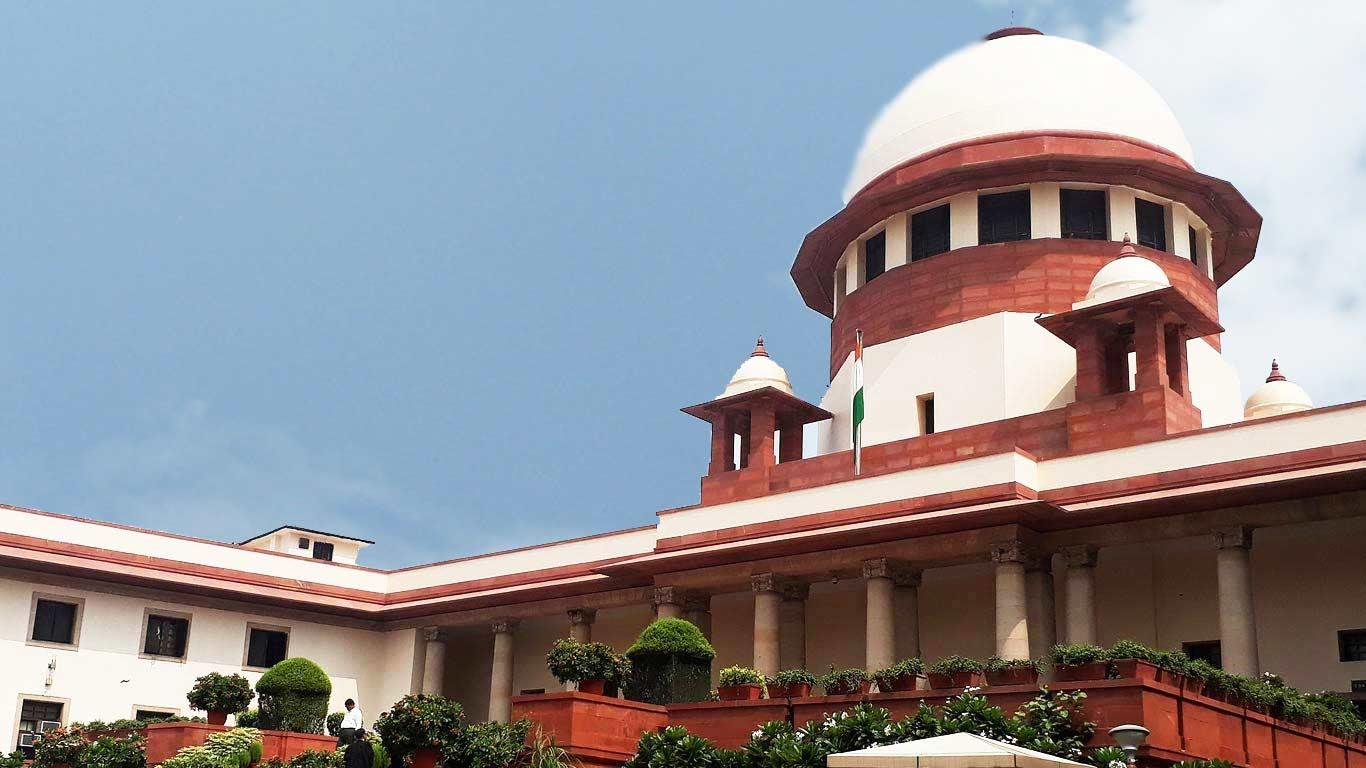
Supreme Court Rules Original Arbitrator's Mandate Ceases Automatically After 18 Months Without Extension
(MENAFN- KNN India)
New Delhi, Dec 11 (KNN) The Supreme Court, on December 10, clarified the interpretation of Section 29A of the Arbitration and Conciliation Act, 1996, holding that once the statutory 18-month period for delivering an arbitral award expires, the original arbitrator's mandate automatically terminates if no application for an extension is filed.
Accordingly, any further extension granted by the Court requires the appointment of a substituted arbitrator under Section 29A(6) of the Act.
Key Findings of the Court
A bench comprising Justice Sanjay Kumar and Justice Alok Aradhe heard an appeal against a Delhi High Court order, which had declined substitution of a sole arbitrator while extending the arbitrator's mandate for an additional four months.
The Supreme Court observed that the sole arbitrator was required under Section 29A(1) to pass an award within one year from March 1, 2022, i.e., by February 28, 2023. Since no extension application was filed, the arbitrator's mandate ceased to exist under Section 29A(4), rendering the arbitrator functus officio.
While acknowledging precedent from Rohan Builders (India) Pvt. Ltd. v. Berger Paints India Ltd., which allowed extension even after expiry of the period, the Court emphasised that continuation of the original arbitrator is impermissible after the mandate has expired.
Section 29A(6) therefore obligates the Court to appoint a substituted arbitrator to ensure expeditious resolution of disputes.
Outcome and Orders
Setting aside the Delhi High Court's order, the Supreme Court appointed Justice Najmi Waziri, Former Judge of Delhi High Court, as the substituted sole arbitrator.
The Court directed that the arbitration proceedings resume from the stage already attained and be concluded within six months from the date of receipt of the order.
(KNN Bureau)

Legal Disclaimer:
MENAFN provides the
information “as is” without warranty of any kind. We do not accept
any responsibility or liability for the accuracy, content, images,
videos, licenses, completeness, legality, or reliability of the information
contained in this article. If you have any complaints or copyright
issues related to this article, kindly contact the provider above.
Most popular stories
Market Research

More Story






Comments
No comment