







403
Sorry!!
Error! We're sorry, but the page you were looking for doesn't exist.
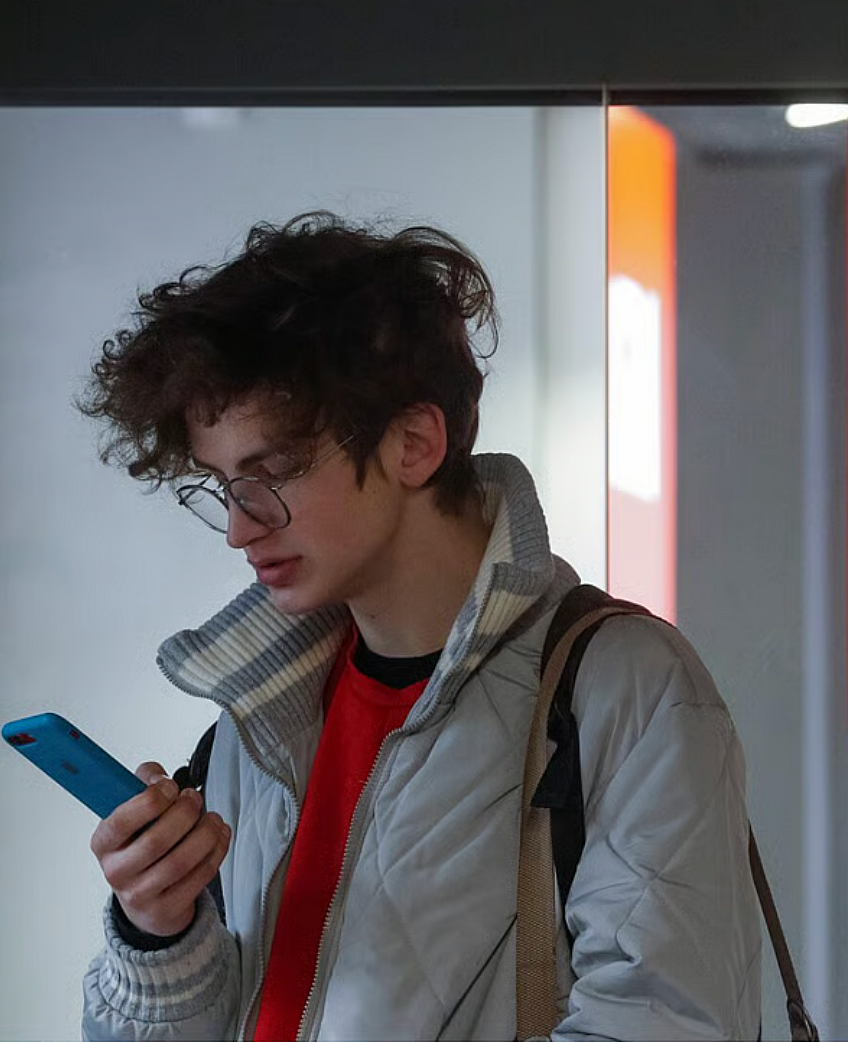
UAE: Delayed Learning, Poor Communication Signs Your Child May Have Vision Impairment
(MENAFN- Khaleej Times)
Emotional challenges
Experts say common eye conditions, including myopia, astigmatism, and strabismus, have effects that reach far beyond sight, shaping a child's confidence, communication, and emotional development.
Nearly 19 million children worldwide live with visual impairments, according to the World Health Organisation, a challenge that affects not just how they see but also how they learn and communicate.
Recommended For YouChildren with untreated visual impairments may face difficulties in reading, writing, and classroom learning, which can affect academic performance.
Beyond the classroom, they may also encounter social challenges, including bullying, which can lead to anxiety, low self-esteem, and emotional distress.
Emotional challenges
Dr Alina Mugnani Deza, a specialist ophthalmologist at Barraquer Eye Hospital, emphasised that early childhood is the most vulnerable stage, when limited visual cues can influence bonding, social interaction, and school readiness. As families search for answers, psychologists warn that untreated or undiagnosed visual impairment can lead to long-term psychological and behavioural challenges that often go unnoticed.
Deza explained that visual impairment significantly increases the risk of emotional and behavioural difficulties in children because vision drives exploration, communication, and social learning. The most sensitive periods are early childhood:
. Infancy (0–2 years): Limited visual feedback affects bonding, motor skills, and early exploration.
. Preschool years (3–6 years): Children begin noticing differences with peers, which increases vulnerability.
. Early school age (6–12 years): Academic challenges and peer interactions may heighten frustration or anxiety.
According to Dr Deza, visual difficulties can alter personality development. Children may develop lower self-esteem, dependency due to overprotection, or avoidance behaviours driven by fear of making mistakes. In some cases, strong resilience emerges when support is consistent and encouraging.
Common psychological and behavioural signs include anxiety, social withdrawal, irritability, communication delays, developmental lag, and sleep disturbances. Peer interactions are also affected, as children often struggle to read facial expressions, follow group activities, or respond to fast-paced social cues. This may lead to isolation or misunderstandings.
Emotional supportShe stressed that family support is one of the strongest protective factors. A balanced home environment - one that encourages independence, provides emotional reassurance, and ensures early medical intervention - can significantly reduce psychological risk.
Conversely, common parental mistakes, such as overprotection, denial of the problem, inconsistent expectations, or delaying corrective measures, often intensify stress.
Early detectionEarly signs of distress include withdrawal from play, avoidance of school, irritability, clinging behaviours, academic decline, and physical complaints such as headaches. Early developmental intervention, vision rehabilitation, occupational and speech therapy, psychological counselling, and parent training can significantly improve outcomes. Schools also play a key role by providing accessible materials, assistive technologies, flexible accommodations, teacher training, and counselling support.
Dr Deza warned that undiagnosed visual impairment can be mistaken for behavioural or learning problems, affecting performance and self-esteem.
"Early screening starting from 2.5 years allows problems to be identified before they impact development. Assistive technologies such as screen magnifiers, smart devices, classroom projectors, and text-to-speech tools can significantly enhance independence, communication, and social participation," she noted.
Visual impairment typesMs Gayatri Govind Gajjam, Clinical Psychologist at Aster DYU Child Development Centre, explained how vision loss impacts a child's emotional well-being. She noted that each type of visual impairment creates a unique psychological response.
"Children with low vision often experience frustration, decreased academic confidence, and social withdrawal. In contrast, complete blindness, whether congenital or acquired, can delay mobility, imitation, and early communication skills. However, sensory training can help develop strong adaptive capabilities in these children," she said.
She explained that peripheral vision loss increases anxiety due to fear of collisions. While central vision loss affects literacy and detailed tasks, it can cause children to perceive themselves as“slow”.
"Progressive visual loss is the most emotionally taxing, as children experience repeated grief with each decline," she said.
"Neurological visual impairment fluctuates with fatigue and environment, leading to misinterpretations and emotional distress," she added.
Gajjam explains that emotional challenges arise because children with limited vision rely heavily on predictability. Reduced environmental control increases anxiety, while sensory overload in noisy environments can overwhelm them.
Social withdrawal often stems from difficulty interpreting facial expressions, difficulty following group play, or fear of embarrassment. "Limited imitation and incidental learning contribute to communication delays, and overreliance on caregivers may emerge when children lack confidence navigating independently," she noted.
Despite these challenges, she emphasised that children often develop remarkable strengths when well-supported, including resilience, advanced problem-solving skills, and heightened auditory and tactile abilities.
Early mobility training, sensory-based learning, and assistive technologies enable strong academic and emotional outcomes.
Things to avoidGajjam highlighted critical parental mistakes: overprotection, delaying assistive tools due to stigma, focusing solely on medical treatment while ignoring emotional needs, and comparing the child to sighted peers. Early psychological stress appears through fear of new spaces, irritability, refusal to try tasks, sleep problems, and self-doubt.
She recommended that a multidisciplinary therapeutic approach, including orientation and mobility training, modified behaviour therapy, tactile-based play therapy, speech support, sensory integration, and family counselling, helps strengthen confidence, independence, and emotional regulation. Schools must provide accessible materials, seating accommodations, peer sensitisation, assistive technology, and modified expectations to ensure full inclusion.
RecommendationsExperts emphasise that the most significant difference comes from early screening, family empowerment, and access to assistive technologies.
When vision difficulties are identified early, children receive the tools and training needed to avoid developmental delays, emotional distress, and academic frustration.
Consistent family support, balanced independence, and clear routines foster confidence and resilience. Schools play an equally crucial role in promoting inclusion, adapting learning environments, and ensuring that psychological needs are met alongside academic ones.
With early detection, supportive environments, and the right tools, children with visual impairment can thrive - emotionally, socially, and academically.

Legal Disclaimer:
MENAFN provides the
information “as is” without warranty of any kind. We do not accept
any responsibility or liability for the accuracy, content, images,
videos, licenses, completeness, legality, or reliability of the information
contained in this article. If you have any complaints or copyright
issues related to this article, kindly contact the provider above.
Most popular stories
Market Research

More Story







Comments
No comment