




403
Sorry!!
Error! We're sorry, but the page you were looking for doesn't exist.
New Labour Codes To Boost Textile Competitiveness But Cost And Compliance Challenges Remain: Industry
(MENAFN- KNN India)
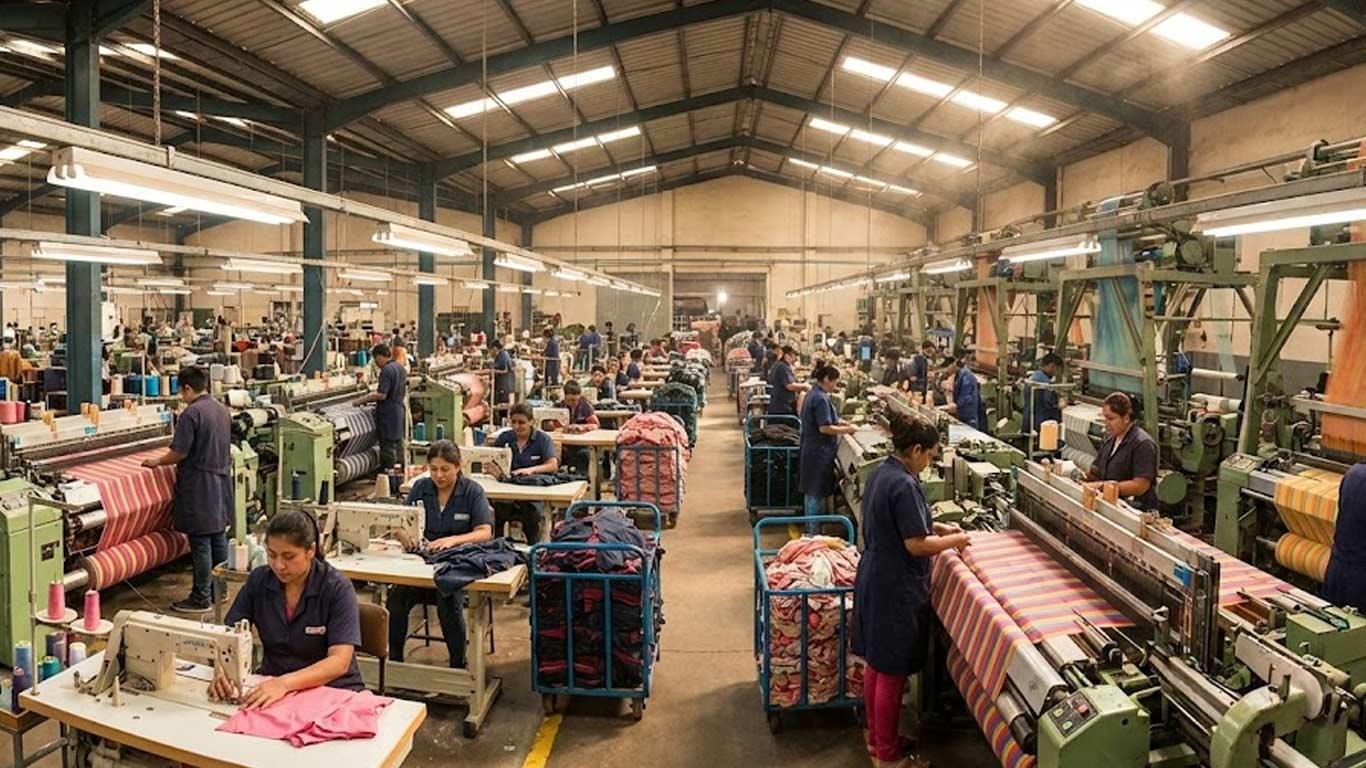
New Delhi, Dec 4 (KNN) The newly notified Labour Codes are expected to strengthen the competitiveness of India's textile and apparel industry, though stakeholders caution that wage-related provisions and regulations concerning inter-state migrant workers may pose operational challenges.
These views were shared at a webinar jointly organised by the Confederation of Indian Textile Industry (CITI) and Lakshmikumaran & Sridharan Attorneys (LKS) on Wednesday.
Higher Costs Likely Under National Floor Wage
LKS Executive Partner Noorul Hassan said the proposed national floor wage could raise labour costs across the sector, particularly for micro, small and medium enterprises (MSMEs) that operate on narrow margins.
The floor wage-set by the Central Government based on minimum living standards-is designed to curb wage-driven migration between states and ensure more equitable earnings for workers in low-wage regions.
While the measure would improve worker welfare, Hassan noted that companies must prepare for a higher cost structure and potential increases in project expenses.
Flexibility Through Fixed-Term Employment
Hassan added that the Labour Codes' provisions on fixed-term employment could offer textile and apparel firms greater flexibility to adjust workforce strength in line with shifting business cycles.
He said more clarity would emerge after the Rules are notified, although the requirement for full and final settlement of employees has already been implemented.
A Major Step in Labour Reform
CITI Chairman Ashwin Chandran described the consolidation of 29 labour laws into four comprehensive Codes-covering Wages, Industrial Relations, Social Security, and Occupational Safety, Health and Working Conditions-as one of the most significant labour reforms undertaken in India.
He said the Codes are intended to simplify compliance, reduce the regulatory burden on MSMEs and create a more predictable operational environment.
Chandran noted,“The industry's challenges in meeting compliance requirements stem not from unwillingness, but often from limited clarity in interpreting complex provisions.”
He stressed that competitiveness and compliance must advance simultaneously, pointing out that global buyers increasingly demand higher labour standards and supply-chain transparency.
Effective implementation of the Labour Codes, he said, would not only strengthen domestic compliance but also improve India's standing as a responsible sourcing hub.
(KNN Bureau)

Legal Disclaimer:
MENAFN provides the
information “as is” without warranty of any kind. We do not accept
any responsibility or liability for the accuracy, content, images,
videos, licenses, completeness, legality, or reliability of the information
contained in this article. If you have any complaints or copyright
issues related to this article, kindly contact the provider above.
Most popular stories
Market Research

More Story







Comments
No comment