




403
Sorry!!
Error! We're sorry, but the page you were looking for doesn't exist.
8 Ways To Improve Your Presence Without Saying A Word
(MENAFN- Clever Dude) Nonverbal presence shapes how people judge confidence, credibility, and intent before anyone speaks. It sets the tone in rooms where silent impressions carry more weight than dialogue. And it often decides whether someone gets heard once they finally open their mouth. Strengthening nonverbal presence takes attention, not theatrics, and it changes the way others read you in real time. So, how do you improve your presence? Here are eight ways you can easily do it without even opening your mouth.1. Stand With Intent
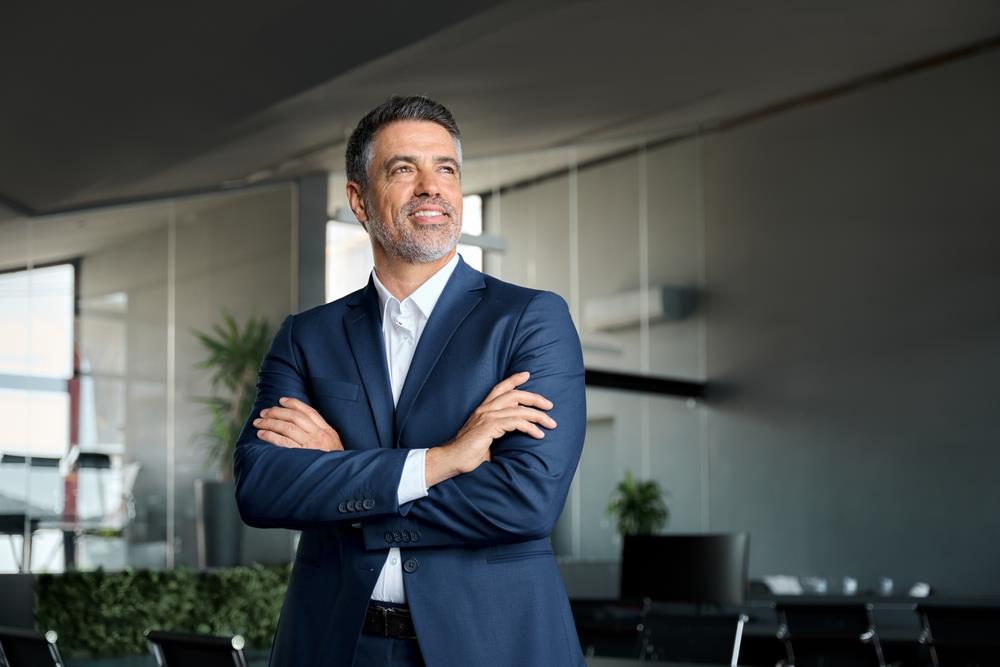
People read posture instantly. A balanced stance, with feet grounded and shoulders relaxed, signals control. Slouching, leaning, or shifting too often sends mixed messages. A steady frame communicates focus, even in tense environments. When your body stays anchored, your nonverbal presence holds the room without effort.
2. Use Stillness StrategicallyMovement attracts attention, but stillness commands it. Too much motion suggests nervous energy. But measured stillness creates space for others to take you seriously. A quiet pause before you respond or reposition shows authority. It also demonstrates that you don't react impulsively. This is one of the simplest ways to strengthen nonverbal presence in high-stakes moments.
3. Make Eye Contact That LandsEye contact can steady a conversation or fracture it. Direct but unforced eye contact tells others you aren't hiding. Staring too hard feels confrontational, and glancing away too fast reads as evasive. Aim for brief anchors. Hold someone's gaze long enough to meet them, then shift naturally. It keeps interactions human, not mechanical, and your nonverbal presence feels grounded rather than rehearsed.
4. Match Your Pace to the RoomPeople sense urgency from the speed of your movements. Fast gestures push energy outward. Slow gestures draw people in. Adjusting your pace to the moment shows awareness. In a heated setting, slow down. In a stalled conversation, act with sharper intention. This subtle calibration reinforces nonverbal presence by showing you're in control of yourself, not driven by momentum.
5. Control Your MicroexpressionsMicroexpressions leak tension. A tight jaw, raised shoulders, and darting eyes speak volumes, often against your goals. Noticing and softening these signals shifts how others interpret your mood. A relaxed jaw and steady breathing can reset your entire face. People trust calm. And when your microexpressions align with a composed posture, your nonverbal presence strengthens without a word.
6. Use Space WiselyPeople draw conclusions from how you occupy space. Standing too close feels aggressive. Standing too far reads as disengaged. Even how you place your hands on a desk or where you sit at a table sends cues. Claim reasonable space without crowding others. It shows confidence without signaling dominance. This spatial awareness boosts nonverbal presence through quiet, steady cues.
7. Let Your Hands Communicate CalmHands reveal more than people think. Fidgeting broadcasts anxiety. Clenched fists look combative. Resting your hands lightly on a surface or keeping them open at your sides conveys ease. When you gesture, do it deliberately. Measured gestures support clarity and shift the tone of a room. Controlled hands enhance nonverbal presence by projecting confidence rather than internal noise.
8. Wear Something That Supports Your IntentAppearance doesn't replace credibility, but it shapes first reactions. Clothing that fits well and feels comfortable helps your posture and movements stay natural. You're not tugging at collars or adjusting sleeves. Consistency matters. When your appearance aligns with the message you want to send, your nonverbal presence becomes cohesive and clear.
Carrying Presence Into Daily ContextsImproving nonverbal presence isn't a single gesture or dramatic shift. It's a pattern of small choices that influence how others experience you. The more intentional these choices become, the more naturally they shape interactions. And once you understand how your body communicates, you gain leverage in moments where silence speaks louder than dialogue.
Which of these strategies would you try first to strengthen your presence?

Legal Disclaimer:
MENAFN provides the
information “as is” without warranty of any kind. We do not accept
any responsibility or liability for the accuracy, content, images,
videos, licenses, completeness, legality, or reliability of the information
contained in this article. If you have any complaints or copyright
issues related to this article, kindly contact the provider above.
Most popular stories
Market Research

More Story







Comments
No comment