








403
Sorry!!
Error! We're sorry, but the page you were looking for doesn't exist.
Trump's Ukraine Plan Sidesteps Monitors Vital To Lasting Peace
(MENAFN- Asia Times)
This article was jointly reported by Peter J Quaranto, visiting professor of the practice, University of Notre Dame; Josefina Echavarria Alvarez, professor of the practice in international peace studies, University of Notre Dame; Pavlo Smytsnyuk, visiting scholar at the Jordan Center, New York University, and Tyler Jess Thompson, research fellow with the Human Rights Center, University of California, Berkeley
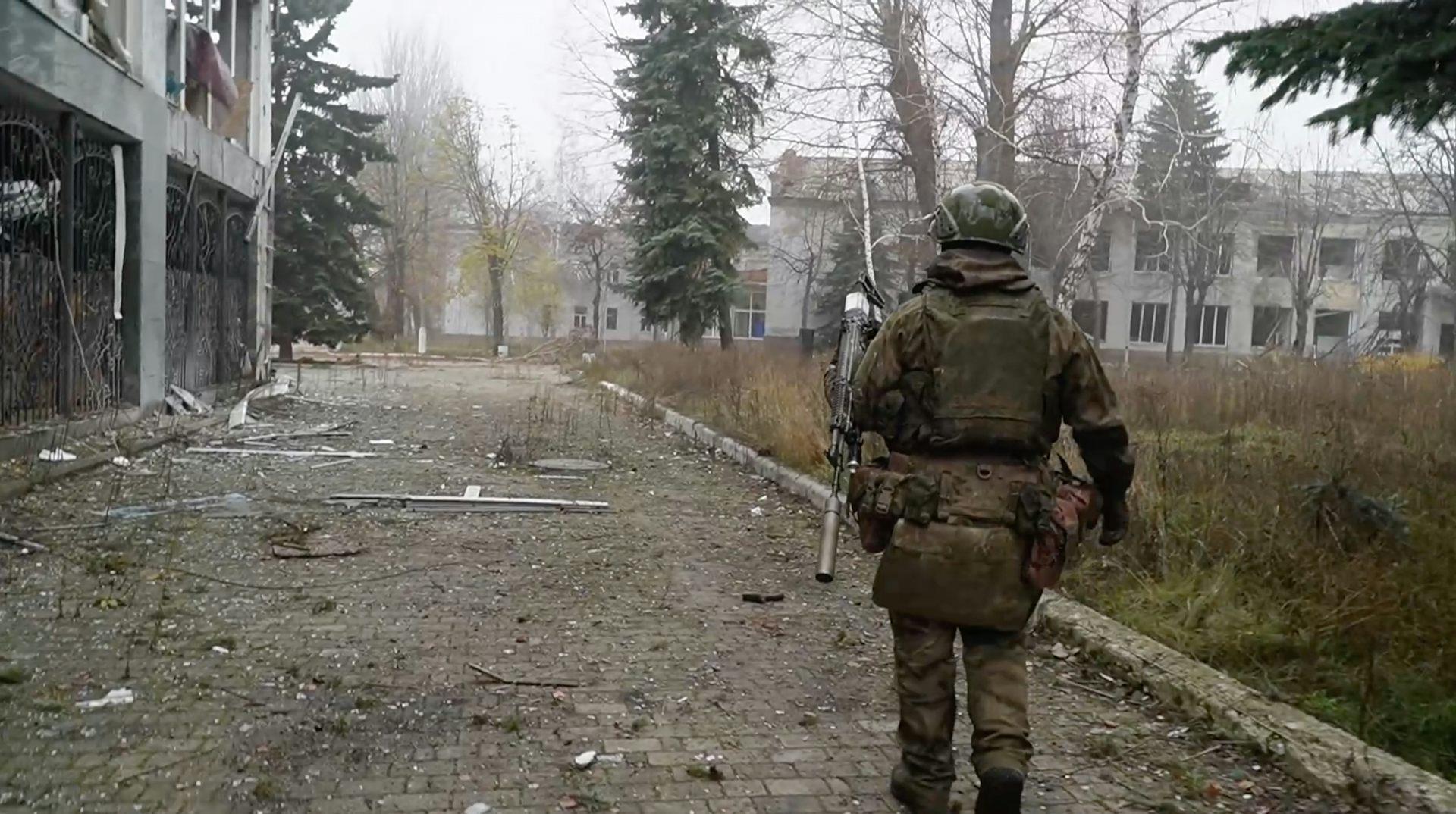
Start-and-stop negotiations for a deal to end the war in Ukraine have been injected with new intensity after US President Donald Trump's administration unveiled a 28-point peace proposal.
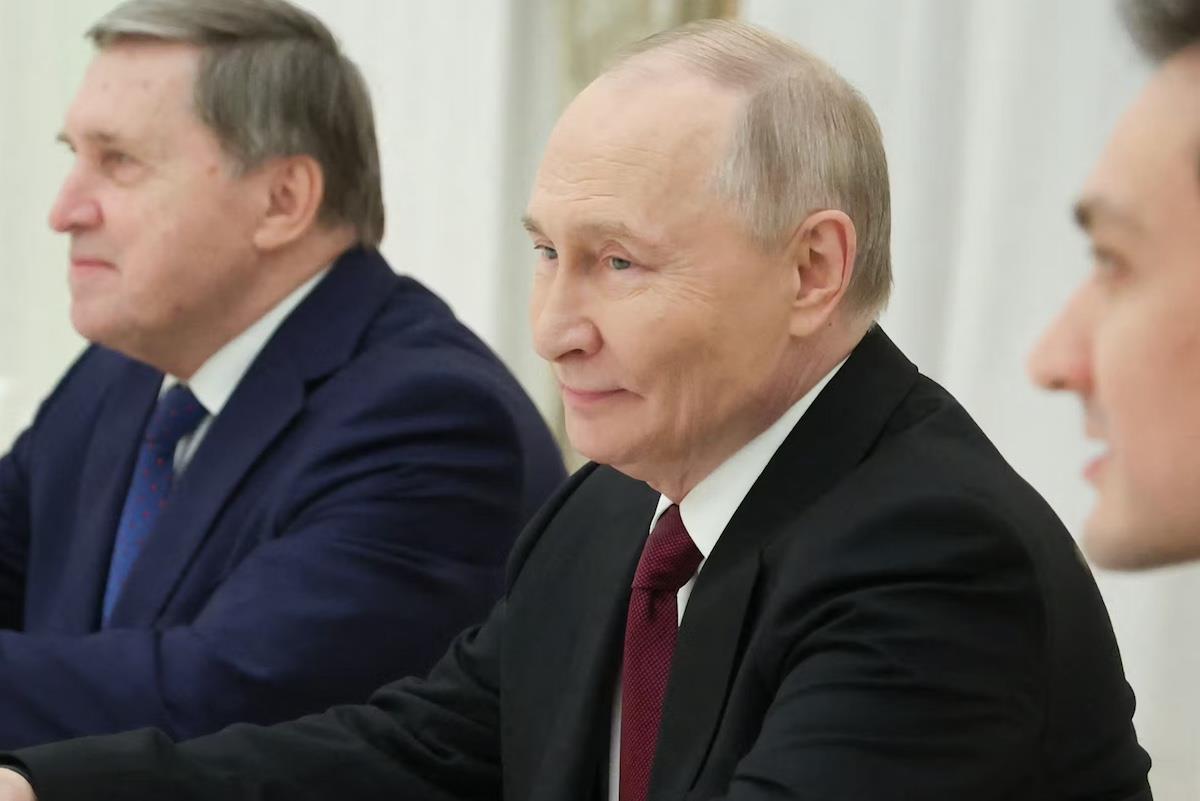
It is far from clear whether the latest flurry of diplomacy, which on December 2, 2025, saw Trump's envoys Steve Witkoff and Jared Kushner meet with Russian President Vladimir Putin, will force the warring parties any closer to a resolution in the grinding, nearly four-year-long conflict.
Yet even if negotiators can broker a welcome deal to stop the current fighting, they will immediately be faced with the challenges of sustaining and implementing it.
And many peace accords fall apart quickly and are followed by new waves of violence.
Our research as scholars focusing on peace monitoring and Ukraine suggests that one thing is key in managing mistrust between parties involved in any peace plan: multifaceted third-party monitoring.
The University of Notre Dame's Peace Accords Matrix, – the largest collection of implementation data on intrastate peace agreements – shows clear evidence that built-in safeguards, such as monitoring and verification by third parties, can increase success rates in peace agreements by more than 29% – meaning no resumption of fighting in the first five years of an accord.
Peace Accords Matrix team members regularly provide support to ongoing peace processes and in the design and implementation of agreements. We believe the program's research could be applied to the challenges facing future peace in Ukraine.
Lessons from ColombiaThe Peace Accords Matrix team's work in Colombia is instructive on how an effective monitoring mechanism could be shaped in Ukraine.
Notre Dame's Kroc Institute for International Peace Studies was tasked with carrying out on-the-ground and real-time monitoring of the 2016 peace deal between the Colombian government and the Revolutionary Armed Forces of Colombia, better known as FARC.

Legal Disclaimer:
MENAFN provides the
information “as is” without warranty of any kind. We do not accept
any responsibility or liability for the accuracy, content, images,
videos, licenses, completeness, legality, or reliability of the information
contained in this article. If you have any complaints or copyright
issues related to this article, kindly contact the provider above.
Most popular stories
Market Research

More Story




Comments
No comment