







403
Sorry!!
Error! We're sorry, but the page you were looking for doesn't exist.

Nigeria Faces Massive Job Challenge Ahead
(MENAFN- The Arabian Post)
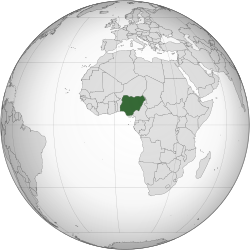
Nigeria must generate 27.3 million new formal jobs from 2025 to 2030 if it is to maintain an unemployment rate of 4.3 per cent, according to the Nigerian Economic Summit Group. That works out to roughly 4.55 million net new jobs each year, a target seen as essential to absorb a growing labour force and to gradually formalise a workforce long dominated by informal, low-productivity work.
The NESG report, titled“From Hustle to Decent Work: Unlocking Jobs and Productivity for Economic Transformation in Nigeria,” warns that without this surge in job creation, unemployment and underemployment could rise steeply, placing upward pressure on poverty levels and economic instability. Estimates within the report show formal employment would need to expand from about 6.3 million in 2024 to more than 33 million by 2030, indicating a dramatic transformation in the structure of Nigeria's labour market.
The sectors seen as most likely to deliver a substantial portion of these jobs include manufacturing, construction, information and communications technology, and professional services. Combined, these potentially could deliver roughly 35 per cent of the needed new formal jobs - equivalent to nearly 9.7 million by 2030 - with manufacturing alone expected to contribute around 21 per cent.
The urgency for this Jobs Agenda stems from demographic and economic pressures. Nigeria's working-age population is expected to reach 168 million by 2030, creating immense pressure for employment generation. Current estimates suggest that about 92 per cent of employed Nigerians still work in informal settings, underlining both the scale of the challenge and the opportunity for formal-sector growth.
See also UNESCO Adds Kiswahili as Official Conference LanguageA critical obstacle to meeting the annual job creation target lies in structural constraints within the economy. High inflation and persistent power supply disruptions are already holding back private sector expansion and deterring new investments. Firms expanding cautiously, and job creation has slowed as firms struggle with rising costs and unreliable infrastructure. The weakness of the private sector, skills mismatch among the labour force, and inadequate formal education are additional hurdles highlighted by NESG.
In response, NESG has proposed a comprehensive“Nigeria Works Framework”, encompassing six strategic pillars aimed at enhancing the labour market. These include reforming regulatory bottlenecks, improving infrastructure - especially in power supply and logistics - investing in skill development, and prioritising labour-intensive sectors that can scale rapidly.
Notice an issue? Arabian Post strives to deliver the most accurate and reliable information to its readers. If you believe you have identified an error or inconsistency in this article, please don't hesitate to contact our editorial team at editor[at]thearabianpost[dot]com. We are committed to promptly addressing any concerns and ensuring the highest level of journalistic integrity.

Legal Disclaimer:
MENAFN provides the
information “as is” without warranty of any kind. We do not accept
any responsibility or liability for the accuracy, content, images,
videos, licenses, completeness, legality, or reliability of the information
contained in this article. If you have any complaints or copyright
issues related to this article, kindly contact the provider above.
Most popular stories
Market Research

More Story







Comments
No comment