






403
Sorry!!
Error! We're sorry, but the page you were looking for doesn't exist.
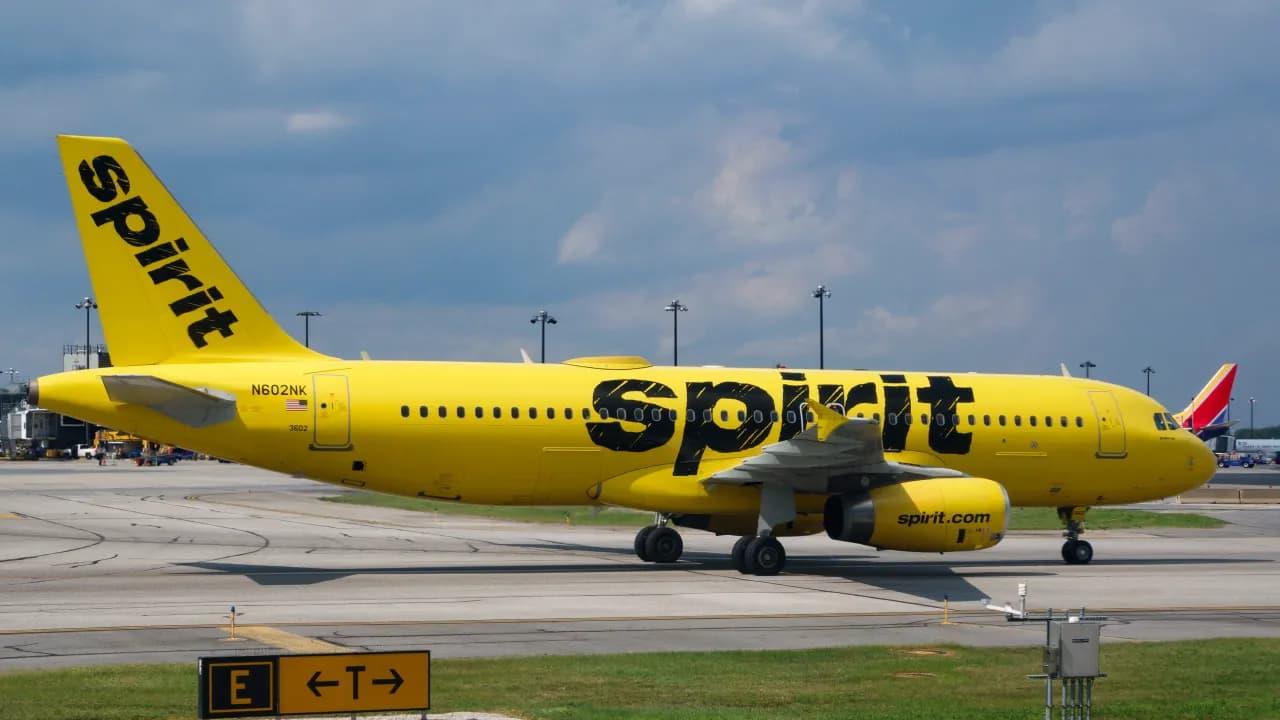
Brazil's Thin Air Bridge To Africa Shows A Bigger Strategic Problem
(MENAFN- The Rio Times) Key Points
A fourth Royal Air Maroc flight between Casablanca and São Paulo highlights Brazil's slow, fragmented connection to Africa.
While China and India pour trade and investment into Africa, Brazil's volumes remain modest and its diplomatic presence thin.
Without more flights, projects and consistent engagement, Brazil risks becoming a niche player in a region it once saw as a priority.
Royal Air Maroc's decision to add a fourth weekly flight between Casablanca and São Paulo sounds like a routine airline adjustment.
In reality, it underlines how limited Brazil's physical and economic links to Africa still are, even as the continent becomes a central arena for global competition.
The new rotation, agreed with tourism agency Embratur and São Paulo's Guarulhos Airport, now offers four non-stop flights per week and follows a reported 45 percent jump in international arrivals to Brazil this year.
Yet Brazil's entire non-stop network to Africa still reaches only a few cities in Morocco, South Africa, Angola and Ethiopia. For most routes, Brazilians and Africans still meet via Europe or the Gulf.
The gap becomes starker when trade is considered. Brazil–Africa commerce, which climbed above 25 billion dollars a decade ago, fell back during recession and corruption scandals and has only recently recovered to a little over 20 billion.
Brazil risks losing ground in Africa to more active partners
China's trade with Africa is more than ten times larger, and India's exceeds 100 billion dollars, backed by tens of billions in cumulative investment. Russia, despite its own limits, now trades roughly as much with Africa as Brazil does.
Diplomatically, Brazil maintains 35 missions on the continent but staffs some with a single diplomat, while newer players such as Turkey have opened dozens of embassies and backed them with airlines, defence exports and frequent presidential visits.
Brazil talks about South–South solidarity, but others are doing the deals. Brazil still has solid strengths to offer Africa: competitive agribusiness, biofuels know-how and experience lifting productivity in tropical conditions.
To turn those into influence, however, it needs many more moves like the Casablanca link and far fewer years of drift. That is a strategic debate Brazil can no longer afford to postpone.
A fourth Royal Air Maroc flight between Casablanca and São Paulo highlights Brazil's slow, fragmented connection to Africa.
While China and India pour trade and investment into Africa, Brazil's volumes remain modest and its diplomatic presence thin.
Without more flights, projects and consistent engagement, Brazil risks becoming a niche player in a region it once saw as a priority.
Royal Air Maroc's decision to add a fourth weekly flight between Casablanca and São Paulo sounds like a routine airline adjustment.
In reality, it underlines how limited Brazil's physical and economic links to Africa still are, even as the continent becomes a central arena for global competition.
The new rotation, agreed with tourism agency Embratur and São Paulo's Guarulhos Airport, now offers four non-stop flights per week and follows a reported 45 percent jump in international arrivals to Brazil this year.
Yet Brazil's entire non-stop network to Africa still reaches only a few cities in Morocco, South Africa, Angola and Ethiopia. For most routes, Brazilians and Africans still meet via Europe or the Gulf.
The gap becomes starker when trade is considered. Brazil–Africa commerce, which climbed above 25 billion dollars a decade ago, fell back during recession and corruption scandals and has only recently recovered to a little over 20 billion.
Brazil risks losing ground in Africa to more active partners
China's trade with Africa is more than ten times larger, and India's exceeds 100 billion dollars, backed by tens of billions in cumulative investment. Russia, despite its own limits, now trades roughly as much with Africa as Brazil does.
Diplomatically, Brazil maintains 35 missions on the continent but staffs some with a single diplomat, while newer players such as Turkey have opened dozens of embassies and backed them with airlines, defence exports and frequent presidential visits.
Brazil talks about South–South solidarity, but others are doing the deals. Brazil still has solid strengths to offer Africa: competitive agribusiness, biofuels know-how and experience lifting productivity in tropical conditions.
To turn those into influence, however, it needs many more moves like the Casablanca link and far fewer years of drift. That is a strategic debate Brazil can no longer afford to postpone.

Legal Disclaimer:
MENAFN provides the
information “as is” without warranty of any kind. We do not accept
any responsibility or liability for the accuracy, content, images,
videos, licenses, completeness, legality, or reliability of the information
contained in this article. If you have any complaints or copyright
issues related to this article, kindly contact the provider above.
Most popular stories
Market Research

More Story






Comments
No comment