





403
Sorry!!
Error! We're sorry, but the page you were looking for doesn't exist.
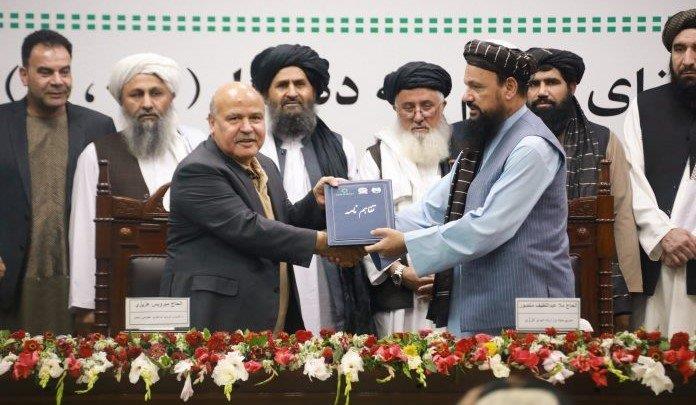
Experts Doubt Viability Of Afghanistan's $10 Billion Energy Ambition
(MENAFN- Khaama Press) A newly launched multi-billion-dollar energy project in Afghanistan is under scrutiny, with critics questioning its economic rationale and prospects in the current environment.
A $10 billion energy project launched by Azizi Group Energy, led by businessman Mirwais Azizi, has drawn skepticism from economic experts and former Afghanistan officials over its feasibility under the current rule. The ambitious plan aims to reduce unemployment and boost Afghanistan's economic independence by generating electricity from coal, gas, hydro, wind, and solar sources by 2032.
Critics argue that large-scale investment is unrealistic in Afghanistan due to the lack of political stability, absence of rule of law, and a functioning regulatory framework. Hamidullah Farooqi, an economic analyst, stated that no responsible investor would take such risks in a country without a legitimate government or legal guarantees:“Where political and economic stability does not exist, investment becomes impractical.”
Further skepticism surrounds the project's financing. Some observers allege that the project could be used to launder illicit funds, including drug money. Former deputy speaker of the Afghanistan Senate, Mohammad Asif Siddiqui, claimed,“This is fantasy, far from reality. The project lacks funding and may be an attempt to legitimize Taliban-linked capital.”
Since the Taliban seized power in August 2021, Afghanistan has been ruled by an unrecognized regime, facing widespread international sanctions and isolation. The absence of diplomatic recognition has restricted foreign investment and created uncertainty for development projects.
The collapse of the previous government and the lack of inclusive political institutions have exacerbated the country's economic crisis. Rule of law has eroded, and many national and international organizations question the transparency and oversight of major initiatives launched under the current administration.
Afghanistan's infrastructure remains fragile, and access to reliable energy is still limited in most provinces. Despite promises from Taliban officials, meaningful economic reform remains elusive. The power sector, in particular, has struggled with debt, outdated systems, and import dependency.
Observers stress that without an inclusive, responsive government in Afghanistan, along with international recognition, legal safeguards, and a credible regulatory environment, even well-intentioned projects are unlikely to succeed. While the Azizi Group's plan may be aspirational, Afghanistan's current realities raise serious doubts about its viability and legitimacy.
ShareFacebook Twitter WhatsApp Email Print Telegram
Legal Disclaimer:
MENAFN provides the
information “as is” without warranty of any kind. We do not accept
any responsibility or liability for the accuracy, content, images,
videos, licenses, completeness, legality, or reliability of the information
contained in this article. If you have any complaints or copyright
issues related to this article, kindly contact the provider above.
Most popular stories
Market Research

More Story






Comments
No comment