




403
Sorry!!
Error! We're sorry, but the page you were looking for doesn't exist.
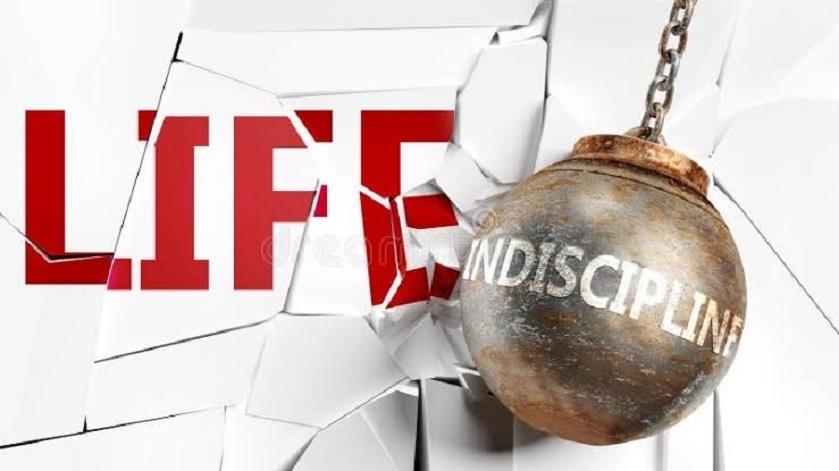
I Was A Victim Of Kashmir's School 'Discipline' System. Here's My Story
(MENAFN- Kashmir Observer)
Representational Photo
Representational Photo
When news broke that 14-year-old Numan, a student at Kashmir Harvard School, had taken his own life, it hit home for many of us.
His tattoos, reportedly the reason he was harassed by school staff, weren't unusual for someone his age. For a teenager exploring identity, ink on skin can be a way to feel seen. But instead of curiosity or conversation, Numan met ridicule and shame.
He was called immoral. Deviant. And eventually, he couldn't bear it anymore.
The tragedy forced Kashmiris to confront an uncomfortable truth: our schools, especially the elite ones, aren't always safe. They prize order. They demand conformity. But they rarely protect children from humiliation, or allow space for difference.
People are speaking now. But when I was a student, they didn't.
Read Also Climate Change Is Big Business. And That's the Problem. Kashmir's Trees Are Fighting a Global Plastic WarBack in the 1990s and early 2000s, I was among the“lucky” ones. I had made it to one of the top schools in the Valley. My parents were proud. Neighbours admired us. But inside the gates, behind that polished reputation, was a reality no one talked about.
We were hit. Slapped for speaking in class. Kicked for forgetting homework. Made to stand for hours. Sometimes caned. Always afraid. The class monitor, a fellow student, would note down the names of“noisy” kids. That list was our death sentence. Teachers would go down the line, punishing each one.
Once, I begged my monitor to skip my name. He didn't. I remember the sting on my cheek. I didn't cry until I got home. But even then, I didn't tell my parents. What would they say? Probably that I must've done something wrong.
Corporal punishment wasn't frowned upon. It was the rule. Parents either didn't know or chose to trust the school's“discipline.” That word meant something different back then. Discipline was public shame. It was pain. And it was delivered without question.
There was one incident I'll never forget. I had missed a compulsory school run-something called“Cross Country.” The next day, the teacher in charge walked in, congratulated the winners, and then turned to us, the ones who had missed it. He asked us to stand. Then he ordered our classmates to pull off our pants.
Yes. That happened. In front of 50 students. I clung to my clothes. I cried. But that wasn't considered abuse. That was discipline.
We had“discipline squads”, students handpicked by teachers to patrol corridors and check uniforms. Boys had to wear shorts till Class 8. Most of us hated it.
In a conservative place like Kashmir, walking into school in half-pants was deeply uncomfortable. So some boys would wear full pants on the way to school and change once inside. If the squad caught you in full pants, they'd tear off your belt or break your buckle. It wasn't just about following rules. It was about breaking you down.
And then there was the bias. The kind that hides in plain sight.
One day, when our class got noisy, a teacher walked by. He looked in through the window. I wasn't even talking. But he came in, asked for my full name, and when he heard my surname, one that marked my sect, he slapped me. Hard. That wasn't about discipline. That was about identity.
The girls had their own scars. Until Class 5, skirts were mandatory. Hijabs were not allowed. Girls who wore them were scolded. Some were mocked. Ironically, it was Muslim teachers, some of whom now wear hijabs themselves, who enforced these rules.
I still wonder what made them do that. Was it pressure? Was it internalized shame? I don't know. But I do know it left many girls confused and hurt.
So why didn't we speak? Why didn't we tell our parents? The truth is, we didn't have the words. And when fear is normal, you start thinking the pain is your fault.
Now, nearly 15 years later, those memories still sting. They come back when I read about Numan. About how he was punished for being different. For expressing himself. For existing on his own terms.
I didn't have tattoos. But I know what it's like to feel cornered. To be told your identity is wrong. To be made an example of.
What hurts more is seeing how the same people who once enforced these rules now speak of faith, freedom, and compassion. Some of them are religious leaders. Others post about human rights. But when it mattered, when we were kids, they stood by. Or worse, they led the abuse.
So where do we go from here?
We need to start by asking hard questions. Why are our schools still run like boot camps? Why do we equate discipline with domination? And why do we only talk after someone dies?
Numan should still be here. He should've been heard before he broke. No child should be bullied by adults entrusted with their care. No child should feel that death is the only escape.
This isn't just about one school. Or one student. It's about a culture that has looked the other way for too long. A culture that taught us to stay silent. That told us obedience matters more than dignity.
It's time to change that. For Numan. For every kid who's still afraid to speak.
And for the children we once were. Who stayed silent, but never forgot.
Legal Disclaimer:
MENAFN provides the
information “as is” without warranty of any kind. We do not accept
any responsibility or liability for the accuracy, content, images,
videos, licenses, completeness, legality, or reliability of the information
contained in this article. If you have any complaints or copyright
issues related to this article, kindly contact the provider above.
Most popular stories
Market Research

More Story





Comments
No comment