




403
Sorry!!
Error! We're sorry, but the page you were looking for doesn't exist.
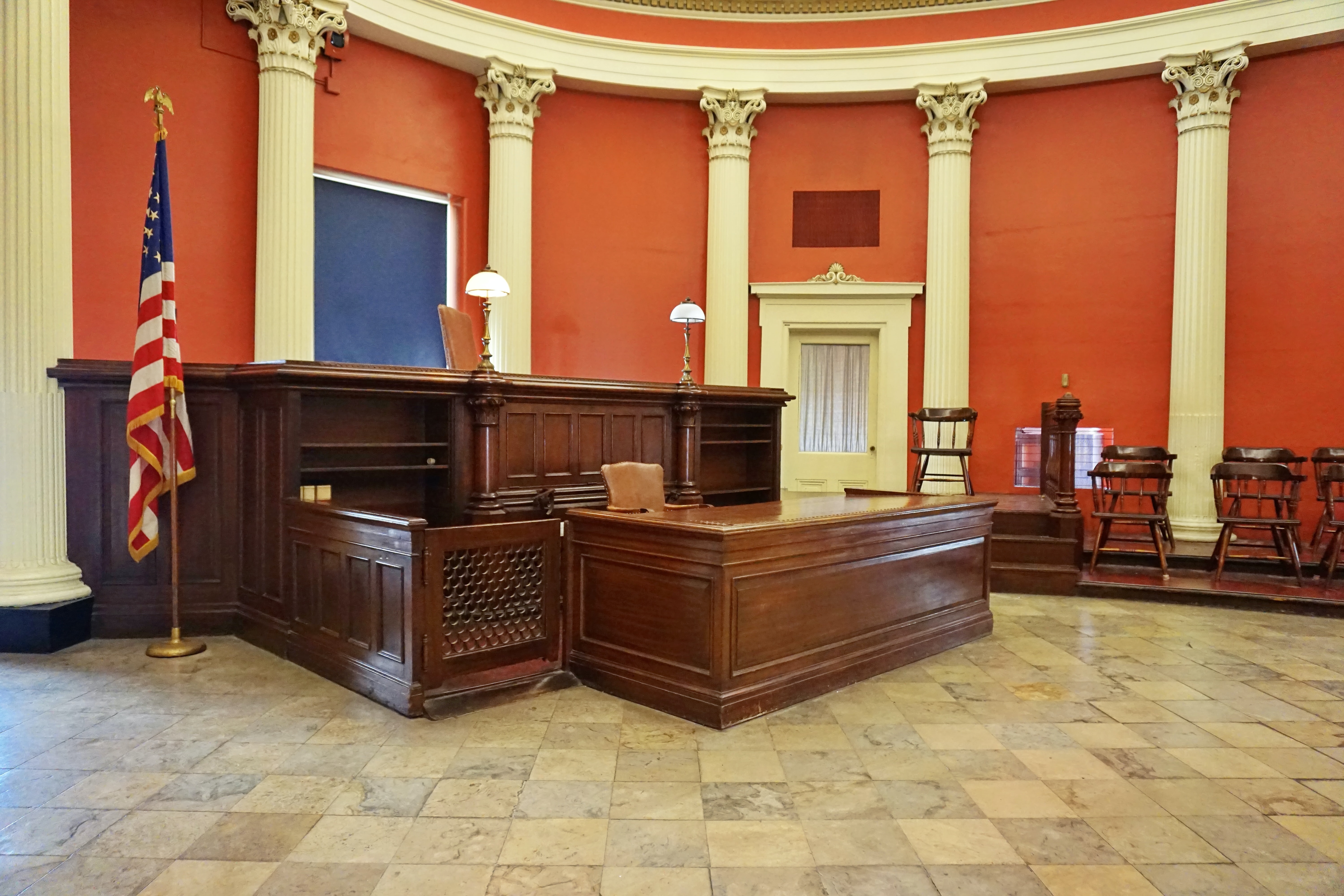
Trump demands from Supreme Court to postpone TikTok prohibition
(MENAFN) President-elect Donald Trump has requested the US Supreme Court to delay a law set to ban TikTok unless its Chinese parent company, ByteDance, sells it to a non-Chinese buyer. The law, which would take effect on January 19, 2025—just one day before Trump’s inauguration—would impose fines on app stores and internet services hosting TikTok if the sale isn't completed by then.
In a legal brief, Trump’s incoming Solicitor General, John Sauer, argued that the law’s timing would interfere with the new administration’s ability to address security concerns and pursue a political resolution. Sauer also emphasized that TikTok is a “unique medium for freedom of expression,” including political speech, and expressed concerns about the potential long-term implications of the ban.
This stance contrasts with Trump’s previous push to ban TikTok outright during his first term over similar national security concerns. Despite this, Trump has indicated support for the app, claiming it contributed to his strong performance among young voters.
The law requiring ByteDance to divest from TikTok was signed by President Joe Biden in April, in response to concerns about the Chinese government’s alleged influence through the platform. ByteDance has stated it has no intention of selling TikTok. The Chinese government has criticized the law as "bullying" and claimed no evidence has been provided to show TikTok poses a national security threat.
Earlier this month, Trump met with TikTok CEO Shou Zi Chew, though the specifics of the meeting remain undisclosed. The Supreme Court has agreed to hear TikTok’s appeal, with oral arguments scheduled for January 10, 2025.
In a legal brief, Trump’s incoming Solicitor General, John Sauer, argued that the law’s timing would interfere with the new administration’s ability to address security concerns and pursue a political resolution. Sauer also emphasized that TikTok is a “unique medium for freedom of expression,” including political speech, and expressed concerns about the potential long-term implications of the ban.
This stance contrasts with Trump’s previous push to ban TikTok outright during his first term over similar national security concerns. Despite this, Trump has indicated support for the app, claiming it contributed to his strong performance among young voters.
The law requiring ByteDance to divest from TikTok was signed by President Joe Biden in April, in response to concerns about the Chinese government’s alleged influence through the platform. ByteDance has stated it has no intention of selling TikTok. The Chinese government has criticized the law as "bullying" and claimed no evidence has been provided to show TikTok poses a national security threat.
Earlier this month, Trump met with TikTok CEO Shou Zi Chew, though the specifics of the meeting remain undisclosed. The Supreme Court has agreed to hear TikTok’s appeal, with oral arguments scheduled for January 10, 2025.

Legal Disclaimer:
MENAFN provides the
information “as is” without warranty of any kind. We do not accept
any responsibility or liability for the accuracy, content, images,
videos, licenses, completeness, legality, or reliability of the information
contained in this article. If you have any complaints or copyright
issues related to this article, kindly contact the provider above.
Most popular stories
Market Research

More Story








Comments
No comment