




403
Sorry!!
Error! We're sorry, but the page you were looking for doesn't exist.
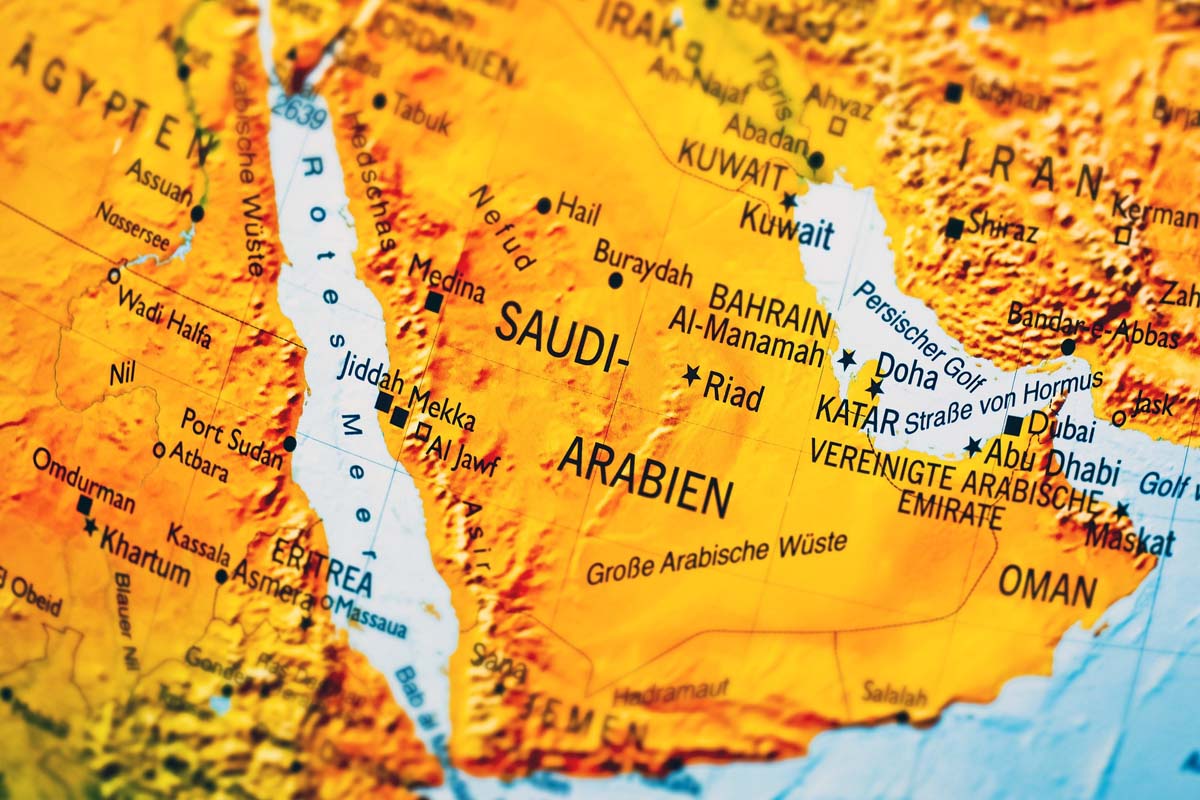
Assassination of Hassan Nasrallah drastically escalates potential for large-scale military conflict in Middle East
(MENAFN) The assassination of Hassan Nasrallah, the leader of Hezbollah, has drastically escalated the potential for a large-scale military conflict in the Middle East, with far-reaching consequences not just for Lebanon and Israel but also for regional powers like Iran and Turkey. This event has pushed existing tensions to a critical breaking point, raising urgent questions about the future of the region.
With Nasrallah's death, Hezbollah—widely viewed as Iran's key military and political ally in the area—has been significantly weakened. The pivotal question now is how Tehran will react. Will Iran retaliate, and if so, in what form? The possibility of retaliatory strikes or extensive military operations looms large, threatening to further destabilize the already volatile situation in the region. Such actions could disrupt global energy markets and compromise international security, complicating an already precarious balance.
Recent assassinations, including those of Ismail Haniyeh in Tehran and Fuad Shukr, a co-founder of Hezbollah, signal that Israel is prepared to escalate its actions against perceived threats. The elimination of Nasrallah, while shocking, was not entirely unexpected; Israeli intelligence had been actively targeting him for years. The tragic events of October 7 may have expedited his downfall, but it was clear that Israel was intent on neutralizing him regardless.
Nasrallah had largely disappeared from public view, consistently evading detection due to the high stakes involved. His death signifies not only the loss of a key figure in Hezbollah but also marks the conclusion of an era characterized by his leadership and influence. As the dust settles, the ramifications of this assassination will undoubtedly unfold, impacting not just the immediate actors but also the broader geopolitical landscape. The region now stands on the precipice of potential conflict, as nations assess their strategies in light of this pivotal moment.
With Nasrallah's death, Hezbollah—widely viewed as Iran's key military and political ally in the area—has been significantly weakened. The pivotal question now is how Tehran will react. Will Iran retaliate, and if so, in what form? The possibility of retaliatory strikes or extensive military operations looms large, threatening to further destabilize the already volatile situation in the region. Such actions could disrupt global energy markets and compromise international security, complicating an already precarious balance.
Recent assassinations, including those of Ismail Haniyeh in Tehran and Fuad Shukr, a co-founder of Hezbollah, signal that Israel is prepared to escalate its actions against perceived threats. The elimination of Nasrallah, while shocking, was not entirely unexpected; Israeli intelligence had been actively targeting him for years. The tragic events of October 7 may have expedited his downfall, but it was clear that Israel was intent on neutralizing him regardless.
Nasrallah had largely disappeared from public view, consistently evading detection due to the high stakes involved. His death signifies not only the loss of a key figure in Hezbollah but also marks the conclusion of an era characterized by his leadership and influence. As the dust settles, the ramifications of this assassination will undoubtedly unfold, impacting not just the immediate actors but also the broader geopolitical landscape. The region now stands on the precipice of potential conflict, as nations assess their strategies in light of this pivotal moment.

Legal Disclaimer:
MENAFN provides the
information “as is” without warranty of any kind. We do not accept
any responsibility or liability for the accuracy, content, images,
videos, licenses, completeness, legality, or reliability of the information
contained in this article. If you have any complaints or copyright
issues related to this article, kindly contact the provider above.
Most popular stories
Market Research

More Story





Comments
No comment